
Prayer is often understood as asking for things, but in the Gospels it appears as something quite different. It is not a means of control, but a moment of release — a stepping back from the self and a return to what is real. In prayer, one lets go, sees more clearly, and, however briefly, is set in the right direction.
Month: March 2026

Crime and punishment are often treated as opposites: wrongdoing on the one hand, and the infliction of penalty on the other. Yet much of human conduct takes place under conditions of partial understanding. We act, judge, and react without seeing fully. If this is so, then the instinct to punish—to return harm for harm—rests on a confidence in our own clarity that may not be justified. The question is not whether wrongdoing occurs, but how we respond to it: whether we perpetuate the cycle, or bring it quietly to an end.
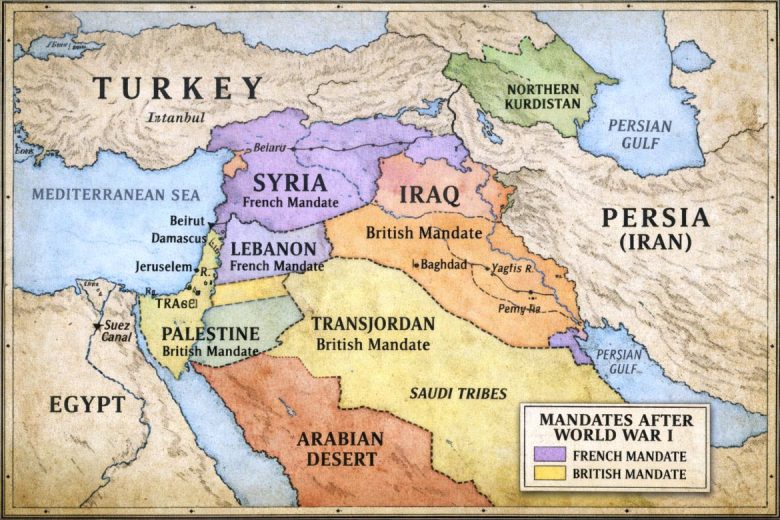
This article traces the history of Iran from the end of the Second World War to the present day. It examines the collapse of imperial influence after 1945, the 1953 coup that strengthened the Shah’s rule, and the dramatic upheaval of the 1979 Islamic Revolution. It also considers the long Iran–Iraq War, tensions with Western powers, disputes over Iran’s nuclear programme, and the country’s role in wider Middle Eastern politics. Through these developments Iran has moved from monarchy to Islamic republic while remaining a central actor in regional and global affairs.

The Bible recognises that societies organised around wealth and power easily drift toward injustice. Yet it offers no political blueprint for a perfect society. Instead, it proposes a moral framework built on prophetic criticism of injustice, limits on the accumulation of wealth, and—most radically—an inner transformation of the human heart. The teaching of Jesus challenges not only unjust systems but the human desire for possession and status that sustains them.
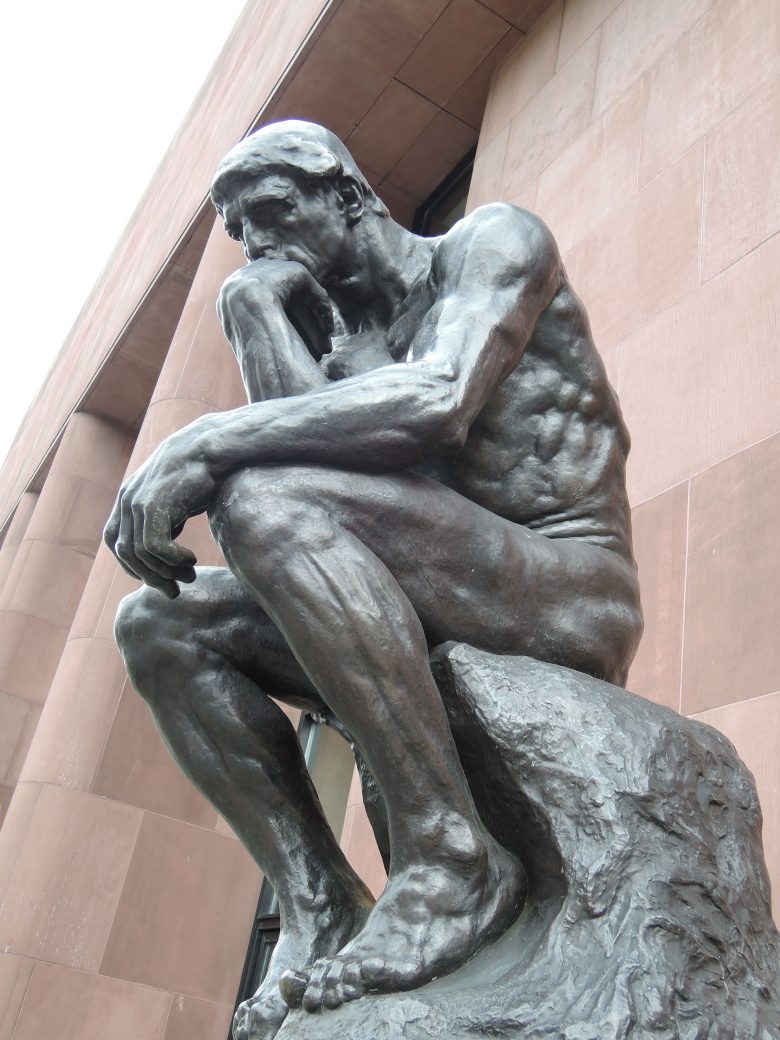
Religion can be understood not as literal cosmology but as a symbolic language through which humanity reflects on its own existence. From Feuerbach and Durkheim to modern psychology, religious ideas reveal how rational animals attempt to interpret consciousness, morality, and the mystery of being human. Seen this way, the emergence of reflective awareness is not a tragedy but one of the great gifts of evolution.
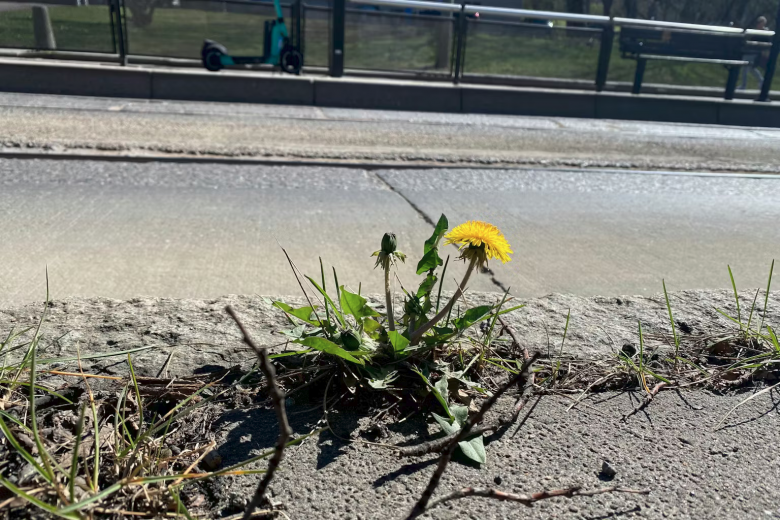
In an age of acceleration, it is easy to feel overwhelmed by civilisational fragility and ecological strain. Yet the decisive question may not be whether history declines, but whether individuals maintain their orientation toward reverence and responsibility. Even small acts of care — leaving a place better than we found it — become expressions of fidelity in a high-energy world.