

The first striking feature is that the evidence does not consist merely of occasional statements that YHWH is “in heaven”. The associated phenomena are extraordinarily widespread. On our present classification, noise/thunder occurs clearly or possibly in 33/39 books (84.6%), fire in 32/39 (82.1%), geographical approach/movement in 31/39 (79.5%), brightness/flashes and shaking each in 26/39 (66.7%), …
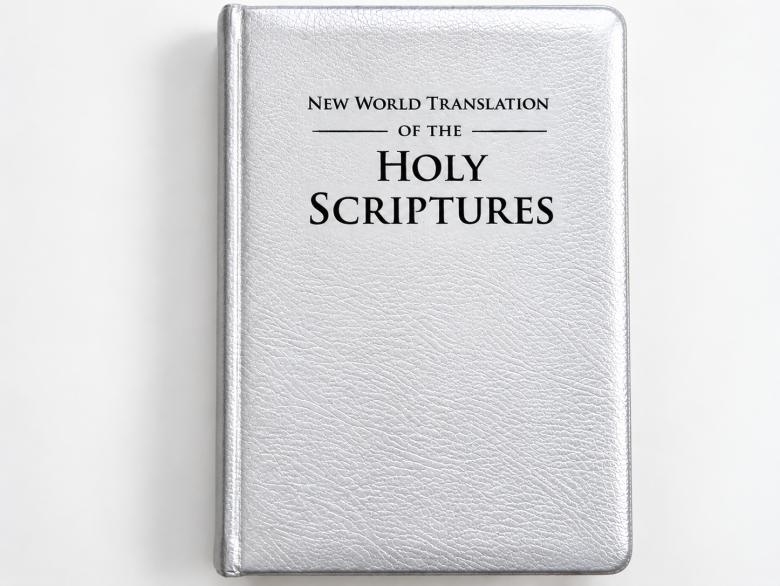
The New World Translation of the Holy Scriptures occupies a special place in the history of Jehovah’s Witnesses. The first part, the New World Translation of the Christian Greek Scriptures, appeared in 1950; the complete Bible followed in 1961. Its publication was received enthusiastically within the organisation. Watch Tower accounts describe convention audiences greeting the …
The three columns in the following table represent three different stages in our access to Psalm 19. The first gives the familiar English wording of the King James Version (1611), one of the most influential English translations of the Bible. The second gives the Latin text of the Roman Psalter, which belongs to a much …

Psalm 18 and 2 Samuel 22 are so close in wording, sequence and imagery that they are best treated as two textual versions of the same underlying composition rather than as independent witnesses. Both present YHWH through a dense cluster of recurring features: cloud, fire, smoke, thunder or violent noise, lightning or flashes, descent, aerial …
How the graph is structured The graph places selected books of the Old Testament in their approximate chronological order of composition, rather than their order in the Bible. The dates beneath the books are necessarily approximate, since many biblical books contain material written or edited at different periods. The black continuous line is different from …
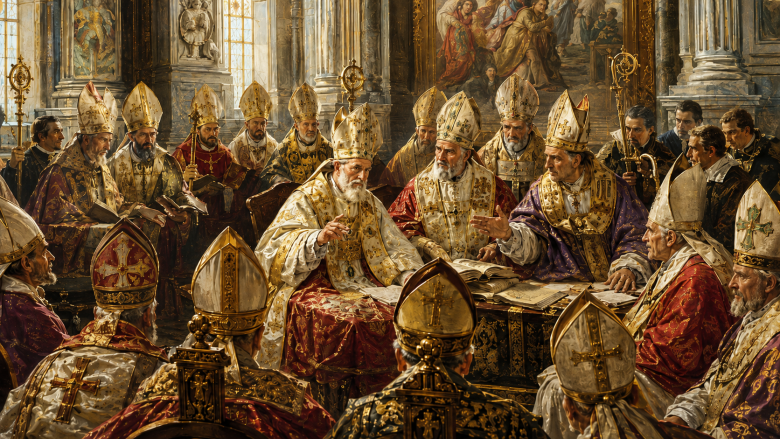
What happens to the memory of a charismatic teacher after his death? From Jesus to Osho, the growth of institutions, rival interpretations and later doctrines may be less surprising than it first appears.
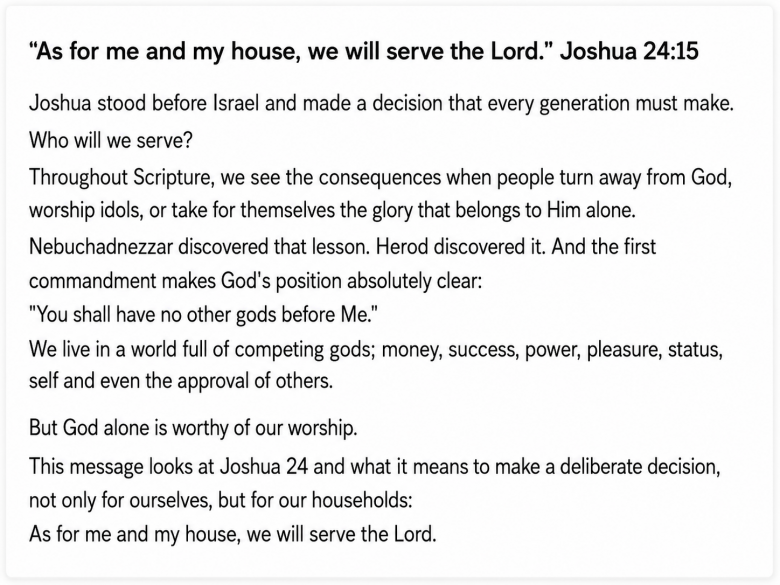
Joshua’s declaration, “As for me and my house, we will serve YHWH,” comes from a religious world very different from the universal, philosophical conception of God found in Acts 17. How did the national god of Israel become identified with the all-loving, all-merciful God of later Christianity?

From John Taylor’s surveying and engineering to the Enlightenment’s struggle with metaphysics, this reflection asks a simple question: how much do we really need to know about ultimate reality in order to live intelligently within it? Physics learned to measure, predict and act without waiting for metaphysical certainty. Perhaps we can do the same.

Privilege is not necessarily a moral offence. Advantage may arise from talent, opportunity, inheritance or sheer good fortune; the problem begins when it hardens into entitlement, exclusion or contempt. A flourishing society should neither flatten difference nor pretend that human abilities are interchangeable. It should allow talent to develop while remembering that fortune is unstable and privilege should be handled with humility.
Privilege has never been static. Wealth, education and influence create advantages that can be inherited, while meritocracy seeks to open advancement to those with ability regardless of background. From Victorian reform and grammar schools to modern debates over DEI, the enduring question is how far circumstances should influence judgement without becoming a substitute for demonstrated competence