

Christianity began as a Jewish messianic movement, not as the fully developed religion later enforced by Rome. This article traces how Jesus, the hoped-for deliverer of Israel, was transformed through resurrection belief, Pauline theology, Greek philosophy and imperial authority into the universal saviour of Christian orthodoxy.
Month: July 2026
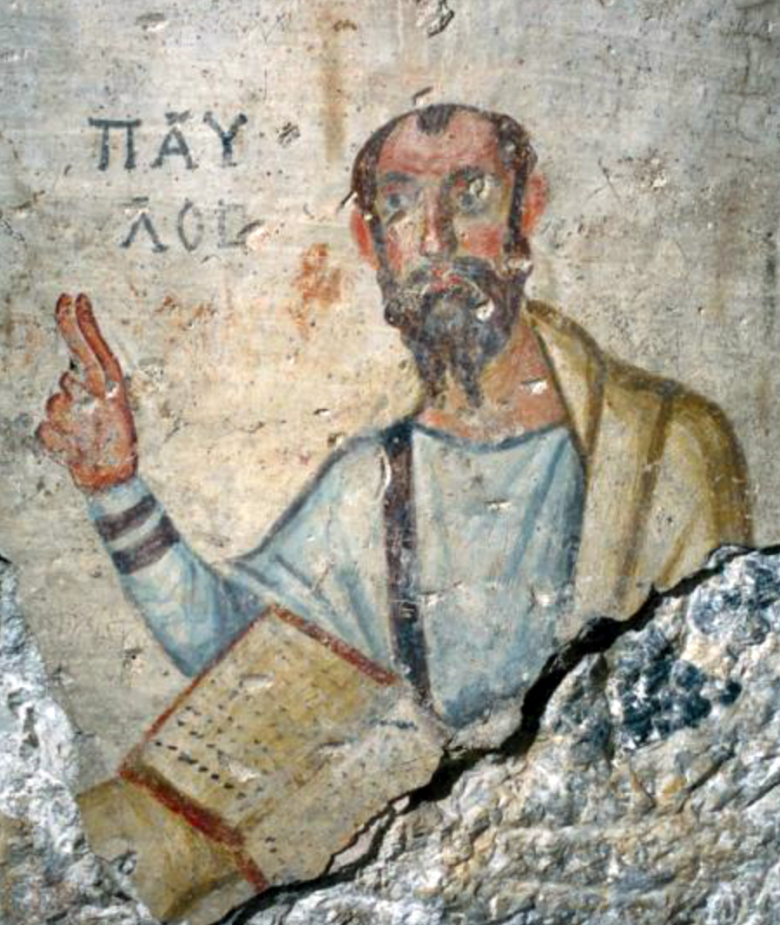
The earliest Christian movement began as a Jewish proclamation that God had raised the crucified Jesus, exalted him as Messiah and Lord, and would soon send him back to complete the kingdom. Over the following centuries, theologians and councils transformed that narrative faith into a detailed metaphysical system defining the Trinity, the nature of Christ and the boundaries of orthodoxy. The resulting Christianity was recognisably descended from the earliest Jesus movement, but it was no longer identical with it.
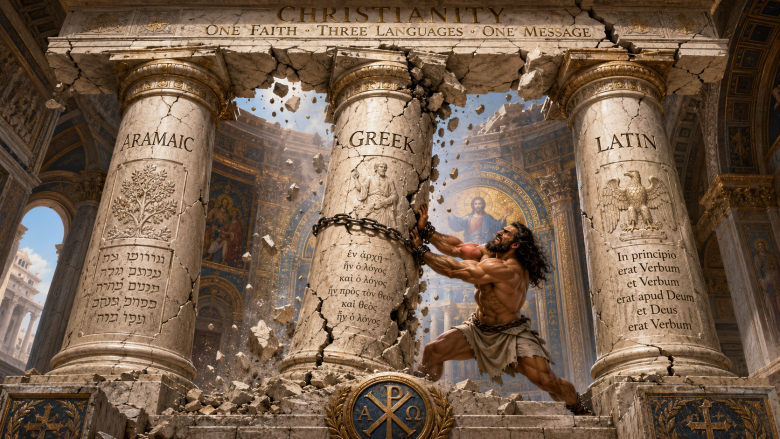
Christianity did not emerge fully formed from the teaching of Jesus. It developed through three linguistic and intellectual worlds: Aramaic preserved its Jewish origins, Greek transformed the remembered teacher into a universal theological figure, and Latin organised the faith through doctrine, law and institutional authority.
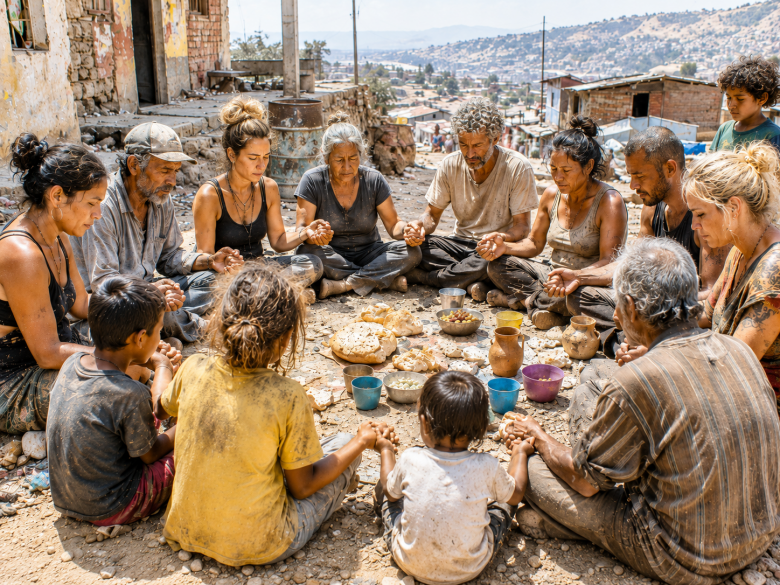
Psalm 133 leads into a reflection on praise, consciousness and the Eucharist. The Host is understood not as a renewed sacrifice, but as a physical expression of thanksgiving, communion and commitment to the life, love and care taught by Jesus.
The significance of the 2026 weather in France and Spain lies not simply in heat, drought or flooding, but in the speed of the transition between them. Saturated soils and swollen rivers were followed within months by exceptional warmth, rapid drying and destructive wildfires. These events do not prove every claim made in Parasol Lost, but they strengthen its central warning: climate risk is increasingly defined by violent swings between extremes rather than by gradual, predictable change.
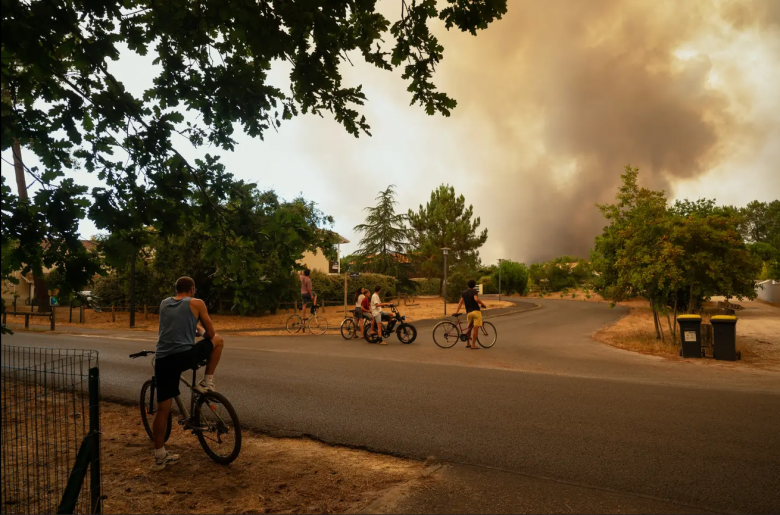
In 2026, Spain experienced the same violent climatic reversal as Bordeaux and the Gironde: months of storms, flooding and saturated ground followed by rapid drying, repeated heatwaves and destructive wildfires. The wet winter encouraged abundant vegetation, which later dried into fuel. Spain, too, went out of the swimming pool and into the fire.

Christianity may be historically doubtful and institutionally distorted, yet it preserves ancient mysteries of sacrifice, renewal, death, reconciliation and transformation. Are these recurring themes merely products of the human mind, or echoes of something humanity once encountered?
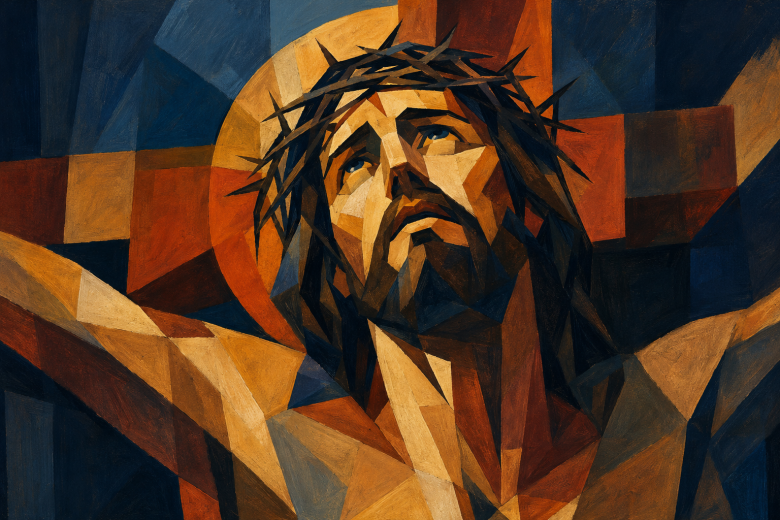
Christianity emerged from Jewish apocalyptic thought, transformed the execution of a Galilean preacher into a universal drama of sacrifice and salvation, and eventually became the intellectual framework of Europe. This article traces that development from Enoch and Qumran to Paul, orthodoxy and the “mind-forg’d manacles” left behind.

Religious stories endure because they give form to possibilities already present within the human mind. At their best, they celebrate humanity’s potential for compassion, courage, sacrifice, forgiveness and care for the vulnerable. Their distortion begins when metaphor is converted into history, archetype into supernatural fact and human insight into divine commandment. We need not eradicate these patterns, even if that were possible. We need to understand them and allow them to serve life without submitting to the doctrines built upon them.

Jesus’ teaching about death and resurrection did not emerge in isolation. He was a man of his time, taking part in a vigorous Jewish debate shaped by apocalyptic expectation, Greek thought and conflicting ideas about the fate of the dead.