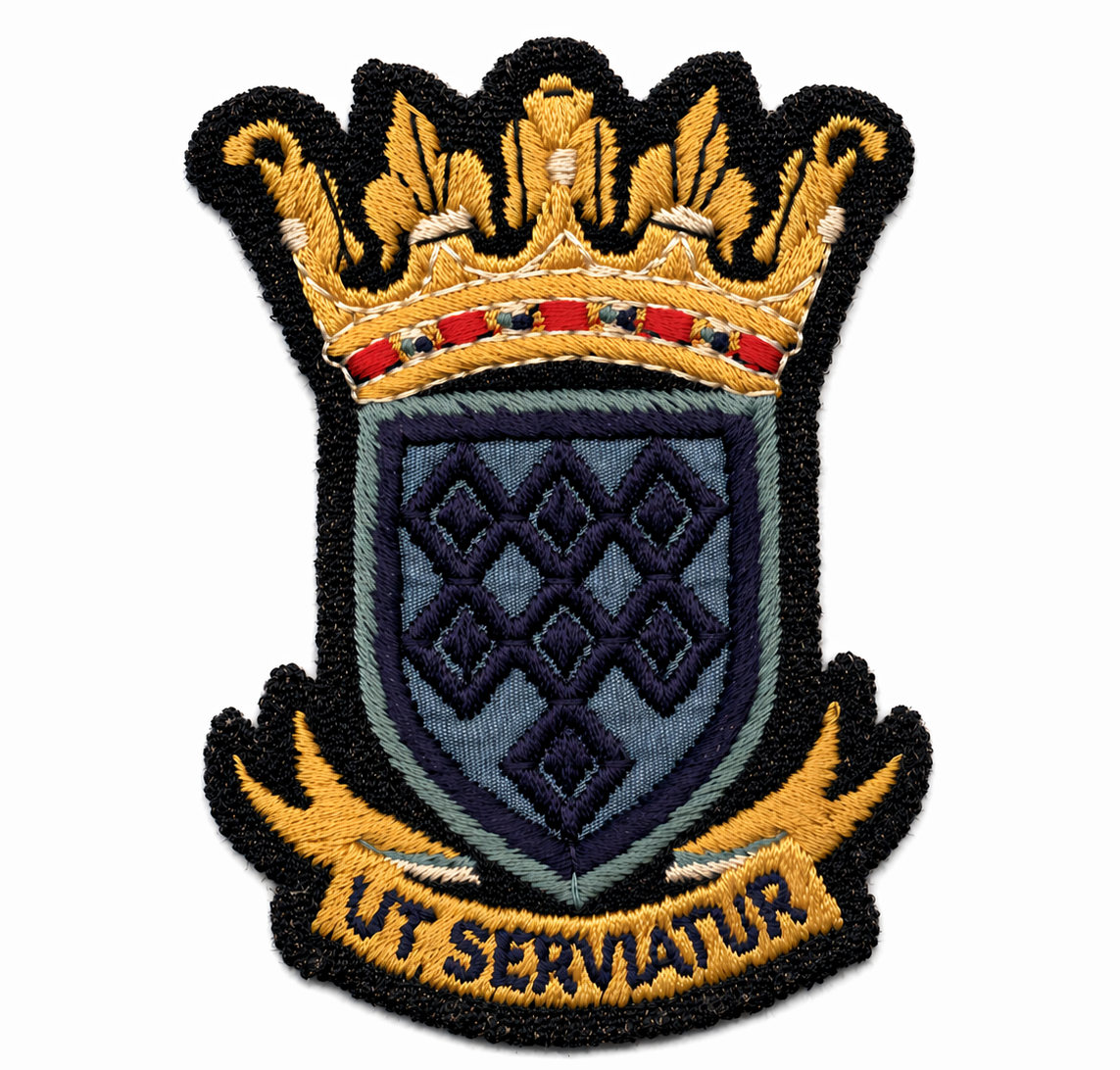
The *Janet and John* books are now criticised for their lack of diversity, but their more serious weakness was educational. The look-and-say method encouraged children to memorise whole words instead of learning systematically how letters represent sounds. For some baby boomers, the consequences may have lasted a lifetime.
Month: June 2026
Cupitt took leave of an external God while continuing to search for a viable religion. I waded through a sea of doubt until I reached a different shore: God exists inwardly, as a personal reality formed through consciousness, experience and the human disposition towards goodness.
Reason can expose prejudice, but it can also be recruited to defend it. Philosophy tests inherited assumptions; poetry enlarges sympathy by restoring the individual behind the label.
Religions arose from genuine human experiences, but their interpretations hardened into objective truths. Reification turns symbols into dogma and inherited belief into a prejudiced way of seeing the world.
Power can attract and reward people low in empathy and high in dominance, manipulation and appetite for risk. The danger lies in institutions that allow such traits to operate without effective restraint.
Conscience develops from our inborn capacities for attachment, empathy, reciprocity and concern for others. Early experience shapes these capacities, while reflection can expose and revise the programme laid down in childhood.
The danger is not that AI will become evil, but that it will pursue human objectives without judgement, sympathy or restraint. HAL warns us what can happen when obedience itself becomes dangerous.
AI may possess intelligence without will: it can process, compare and respond without hunger, fear, ambition or any purpose of its own. The central question is whether consciousness requires more than the intelligent processing of input.
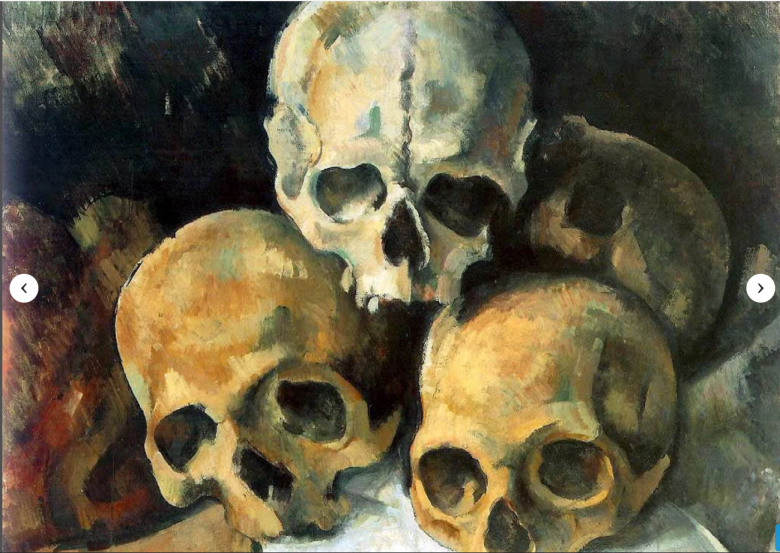
The Nottingham maternity scandal shows how a public institution can become closed, hierarchical and resistant to criticism. The failures identified in Donna Ockenden’s review reveal the dangers that arise when authority protects itself, controls knowledge and dismisses those who challenge it.

Freedom is never absolute. Body, age, history, temperament and society impose limits we cannot simply remove. Yet St Paul’s language of metanoia and the “renewing of the mind” suggests another kind of freedom: consciousness can enlarge the space within necessity.