

A private spiritual reflection on the inward altar of the soul, the beauty of silence, worship as joy and gratitude, and the ancient psalmic recognition that existence — God — was before us. The piece links personal inward awareness with Psalm 19, Psalm 8, and the humility of knowing that we are not first, but secondary.
Month: June 2026
A short reflection on the elegiac English pastoral tradition, giving Charles Wilfred Orr particular prominence and seeing his A Cotswold Hill Tune as part of the same landscape of folk memory, restraint, melancholy and tenderness found in Vaughan Williams, Butterworth, Gurney and Finzi.
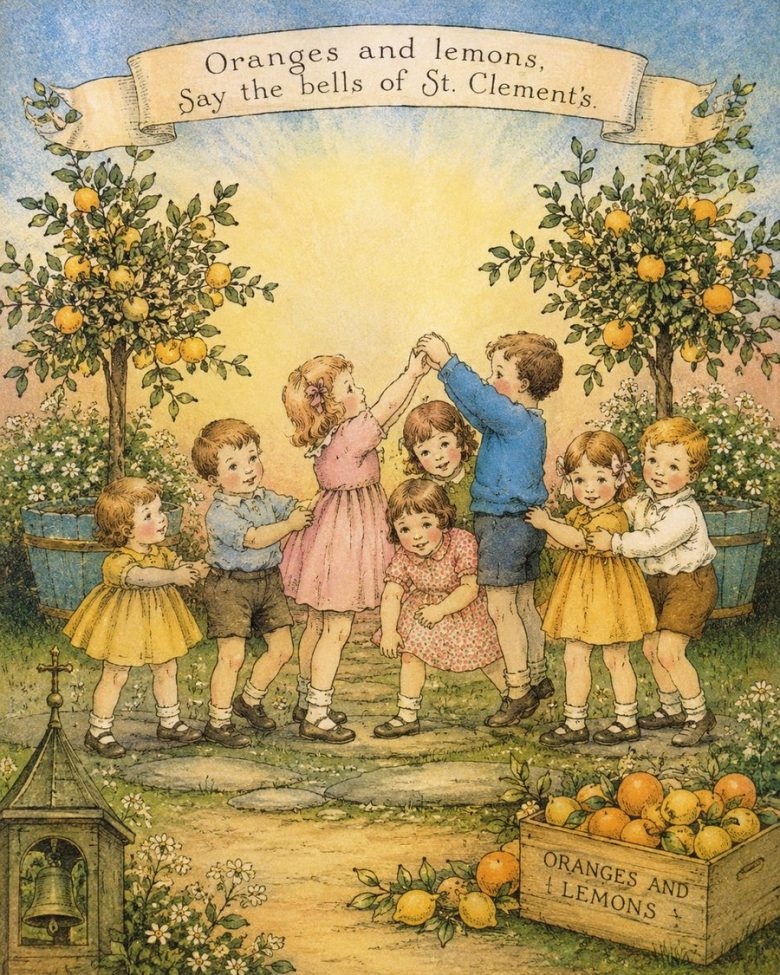
A short reflection on the Government’s proposed under-16 social media ban, arguing that online harm to children is real, but that protection must not become the route by which family responsibility is replaced by state control and digital identity.
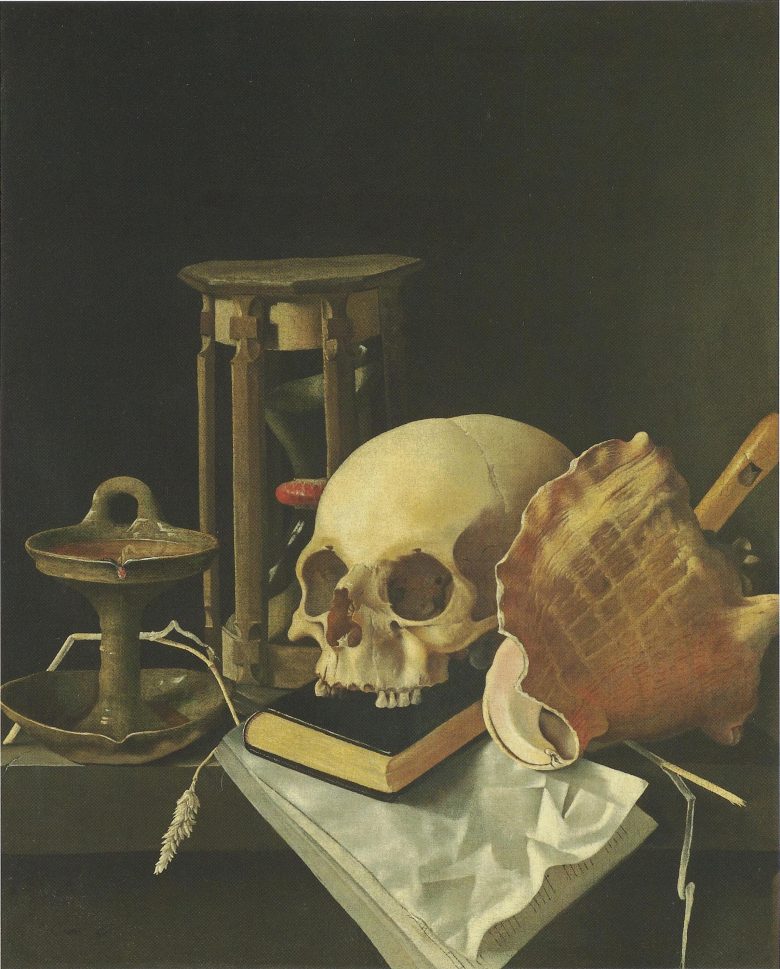
A reflection on euphemism, bodily embarrassment and spiritual idealism. Beginning with the way blunt words shock us, the essay moves through Shelley’s image of “the white radiance of Eternity” to ask whether religion and idealist philosophy are, in part, humanity’s most beautiful evasion of the body, decay and death.
Britain’s decline did not begin with Suez; Suez merely exposed a deeper erosion already under way. This article examines the weakening of Britain’s imperial, financial and governing foundations, then asks whether the United States may be approaching its own equivalent moment of revealed limitation.

As the supernatural cosmology of Christianity loses its authority, its moral questions remain. This article proposes “moral economics” as a practical framework based on responsibility, reciprocity, stewardship, cost, benefit and consequence.

Britain’s immigration debate is often framed in terms of compassion, race and national identity. This article asks a more practical question: how many people can the country house, employ, support and integrate without weakening public services, increasing resentment or exceeding the limits of public consent?

A reassessment of Enoch Powell’s immigration argument in light of his academic distinction, his 1971 Dick Cavett interview, the Race Relations Act 1968, and Britain’s unresolved post-imperial citizenship problem. Powell’s case is examined as a constitutional and demographic argument, not as a simple slogan.

Kemi Badenoch speaks with confidence, but confidence is not judgement. Her support for Trump over Iran raises a wider question about modern politics: whether sharp performance and quick positioning are being mistaken for the seriousness needed to address Britain’s long-term problems.

This article reads Genesis in the light of older Mesopotamian material, including the Eridu Genesis, Atrahasis, Gilgamesh, and the Sumerian King List. It explores Eden, the serpent, cherubim, Yahweh, and the Psalms as part of a wider ancient Near Eastern world of memory, symbolism, guarded sacred space, and troubled divine-human relations.