
Pink Floyd gave musical form to the anxieties of modern society: conformity, surveillance, war, education, commerce, madness and isolation. Their music reached millions through its atmosphere, virtuosity and emotional force; their words, for those who attended to them, offered a bleak diagnosis of a civilisation whose machinery shapes human beings while calling the process progress. Yet Pink Floyd offered no cure. Their criticism remained inside the system it condemned, leaving the listener to decide what responsibility should follow recognition.
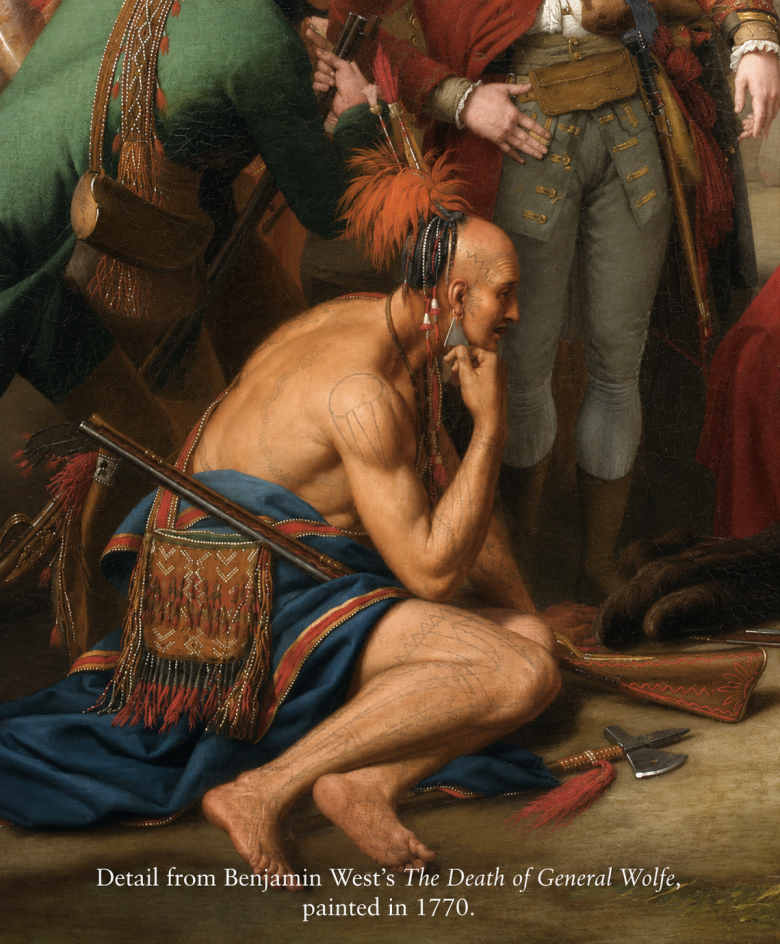
For the French Romantics, the American Indian represented more than an exotic other. He became a symbolic figure through whom Europe reflected on its own condition: freedom and estrangement, nature and civilisation, innocence and loss. In writers such as Rousseau and Chateaubriand, Indigenous America appeared as a world less divided, less artificial and closer to nature, even if that vision often told us as much about European longing as about Native American reality.

A private spiritual reflection on the inward altar of the soul, the beauty of silence, worship as joy and gratitude, and the ancient psalmic recognition that existence — God — was before us. The piece links personal inward awareness with Psalm 19, Psalm 8, and the humility of knowing that we are not first, but secondary.
A short reflection on the elegiac English pastoral tradition, giving Charles Wilfred Orr particular prominence and seeing his A Cotswold Hill Tune as part of the same landscape of folk memory, restraint, melancholy and tenderness found in Vaughan Williams, Butterworth, Gurney and Finzi.
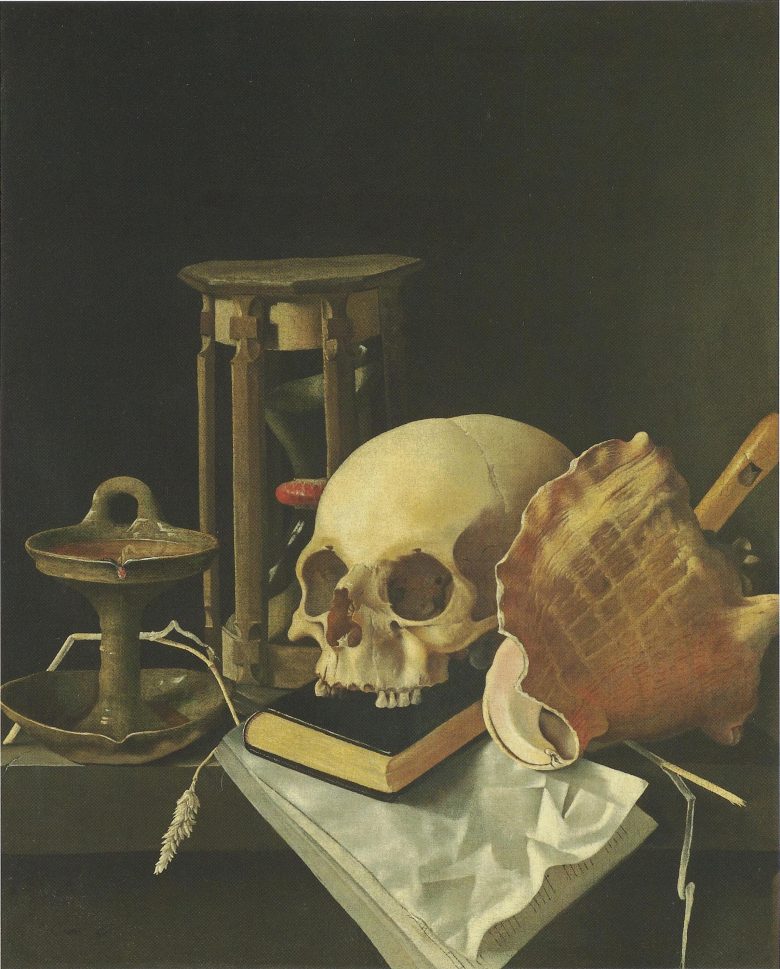
A reflection on euphemism, bodily embarrassment and spiritual idealism. Beginning with the way blunt words shock us, the essay moves through Shelley’s image of “the white radiance of Eternity” to ask whether religion and idealist philosophy are, in part, humanity’s most beautiful evasion of the body, decay and death.
John Betjeman’s Summoned by Bells is more than an autobiography in verse — it is a meditation on beauty, memory, and faith at the twilight of English modernity. Beneath its gentle rhythms lies a profound moral vision: that sound, place, and craftsmanship can still unite a fractured nation. Betjeman’s England is not nostalgic fantasy but a living cathedral of meaning, where stone and song meet the sacred.
A study of Waugh’s estrangement, his critique of modernity, and his uneasy kinship with Orwell — two men who saw the decay of English order from opposite moral poles.