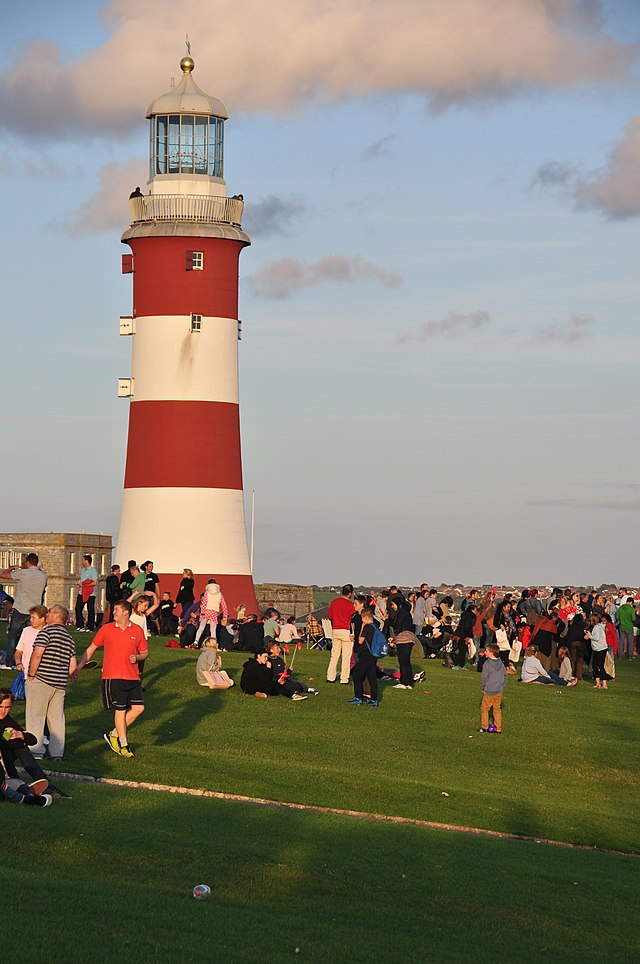
Smeaton’s Tower, a redundant lighthouse, now stands on Plymouth Hoe as a memorial to civil engineer John Smeaton, designer of the third and most celebrated Eddystone Lighthouse. Completed in 1759, Smeaton’s design marked a major step forward in lighthouse engineering. After more than a century of service, erosion of the reef forced its replacement in 1877. The original structure was carefully dismantled and rebuilt here, where it endures today as a symbol of endurance and innovation.
Introductory paragraph:
For centuries, religion has offered meaning and comfort but also control. Today many still hunger for faith, yet find the old stories impossible to believe. This short reflection asks whether we can keep what was best in religion — compassion, courage, and care — without pretending to accept what no longer persuades reason. It argues that meaning, not miracle, must become the new ground of faith.
Main text:
Long ago, people made gods to explain life’s mysteries and to feel less afraid. When Jesus lived, he taught people to be kind, honest, and forgiving — to care for one another and to look within themselves for strength. His message was simple and human.
After his death, Paul of Tarsus travelled through the Roman world spreading that message. But he turned it into a new religion. He said Jesus was the Son of God, that his death was a sacrifice for human sin, and that belief in him brought eternal life. These ideas gave people comfort at a time when the Roman Empire was breaking apart. Christianity helped fill the emptiness left by that collapse.
People still want to believe in something greater than themselves. That need comes partly from fear — fear of loss and death — and partly from awareness — the human ability to know that life is short and precious. Religion once helped us face that truth, but its stories now sound impossible: that Jesus was part of a divine Trinity, rose from the dead, or died as a sacrifice to please God.
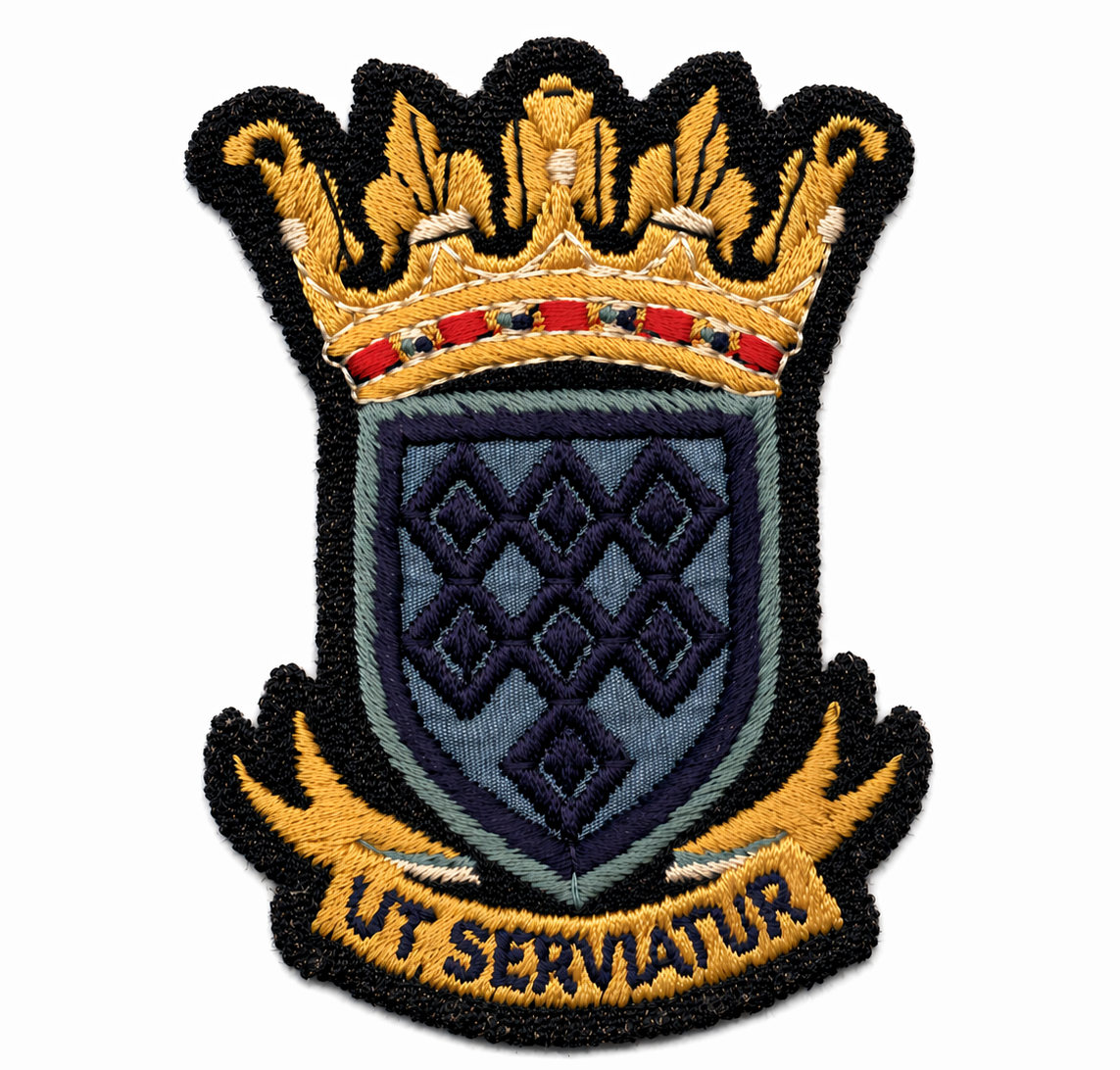
Still, the human longing behind religion is real. What we used to call God is really the best part of ourselves—Turris Fortissima (Proverbs 18:10), the strong tower within. The problem lies not in faith itself but in the hierarchy that manages it: bishops and high-ups too often driven by ambition rather than humility. Their need for control turned a living search for truth into dogma and division.
The future will not bring a new Church built on the past, but a new understanding — one that admits what we are: conscious, fragile, and capable of love. Meaning must be created, not inherited. When we see this clearly, faith is reborn — not as belief in miracles, but as trust in our shared humanity.
CODA: The Gap in the Middle
I sometimes visit a small parish church in the English Midlands, a modest building with a congregation neatly divided into two halves: the elderly cassocked ladies of the choir gathered at the front and the young families with children clustered at the back. Between them yawns a conspicuous gap — the empty pews where the rest of the congregation ought to be.
For me, that space says everything about the state of the Church today. It struggles not only to speak meaningfully to the world beyond its doors but even to create harmony within its own walls. The older members cherish traditional hymns and the sound of the organ; the younger prefer guitars, microphones, and “happy-clappy” choruses. Ne’er the twain shall meet. The divide is more than musical — it is spiritual and cultural. A faith that once united generations now seems to echo down an ever-widening aisle.