
Excerpt:
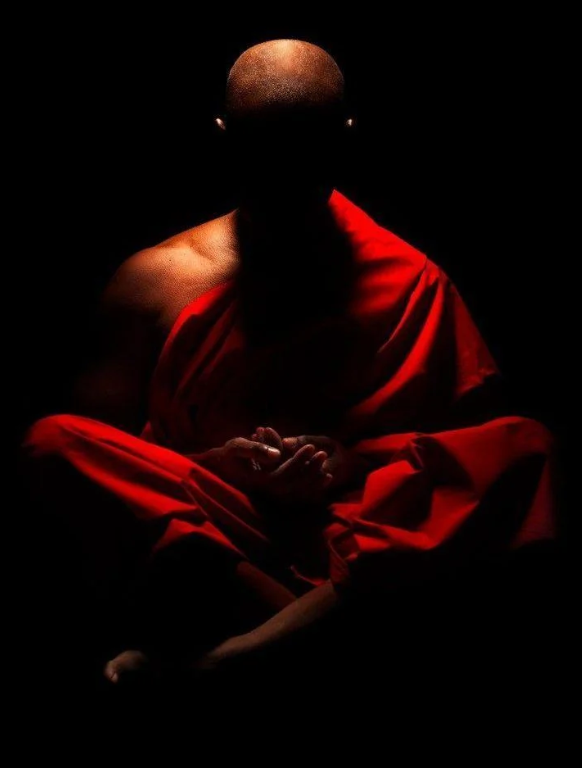
Meditation does not mean emptying the mind. It means clearing space to think — a discipline of clarity that the Western tradition saw as sacred reasoning, not blankness.
Many people think meditation means to empty the mind. It doesn’t. It means to clear space to think, and to think more clearly. The Latin root meditari never meant blankness. It meant to consider, to reflect, to exercise the mind. The act itself was mental work — a deliberate turning of thought toward what is true or good.
In classical and Christian traditions meditation was always an exercise of awareness.
The Stoic meditated on mortality — memento mori.
The monk meditated on Scripture — meditatio in lege Domini.
The scholar meditated on virtue and order.
Each was practising attention, not erasure.
To meditate was to become inwardly still so that the light of reason might be seen without distortion.
Clarity, Not Emptiness
The modern idea of “mindfulness” often stops at the first step — quieting noise.
But silence by itself is only a pause. Real meditation begins after the noise ends: when the mind can see what it must consider.
To meditate is to sweep the floor before study begins.
Why Zen Drives Us Mad
Zen Buddhism fascinates many Westerners yet also drives them mad.
Its paradoxes — “What is the sound of one hand clapping?” — aim to dissolve logical habits, to jolt the mind into direct awareness. But to a mind formed by the logos — by reason, conscience, and word — this can feel like self-betrayal.
Where Western meditation seeks clarity, Zen often seems to seek emptiness; where one refines thought, the other suspends it.
To the European temperament, this can feel like being asked to forget how to breathe.
We are creatures of meaning. We meet the divine not by extinguishing thought but by purifying it — by moving from confusion to insight, from chatter to comprehension.
The Western Aim
To meditate, in our tradition, is to bring mind and soul into focus.
It is the discipline of seeing truly.
It demands silence, yes — silence amid the humdrum noise of life, not withdrawal from it. The task is not to flee the world but to clear a small space within it where thought can breathe. In that pause, awareness returns; in that stillness, the mind begins to see.
In that sense, meditation belongs not to monks alone but to all who still believe that thinking is sacred — that truth begins in quietness, and that the clear mind is the moral mind.