Benedic, anima mea, DominoA psalm of praise for divine mercy, compassion, healing, and renewal — the gospel in miniature. No truncation required. Versus 1 Benedic, anima mea, Domino, et omnia quae intra me sunt, nomini sancto eius.Bless the Lord, O my soul, and all that is within me, bless his holy name. Word Notes: Versus …
Here is Psalmus 102 (Vulgate) = Psalm 101 (Hebrew)Domine, exaudi orationem meam A psalm of affliction, desolation, and the inward discovery of God’s permanence. No truncation required. Versus 1 Domine, exaudi orationem meam, et clamor meus ad te veniat.O Lord, hear my prayer, and let my cry come to you. Word Notes: Versus 2 Non …
(= Psalm 100 in Hebrew numbering) A psalm of ethical resolve, inner discipline, and the cleansing of the inward house. No truncation required. Versus 1 Misericordiam et judicium cantabo tibi, Domine; psallam et intelligam in via immaculata: quando venies ad me?I will sing of mercy and judgment to you, O Lord; I will play and …

Many familiar Gospel words—“Hosanna,” “Christ,” “Kingdom,” “cross”—carry meanings shaped less by history than by centuries of translation and tradition. This essay shows how linguistic drift and theological overlay can distort our view of Jesus and how AI can help uncover the original force of the biblical text.
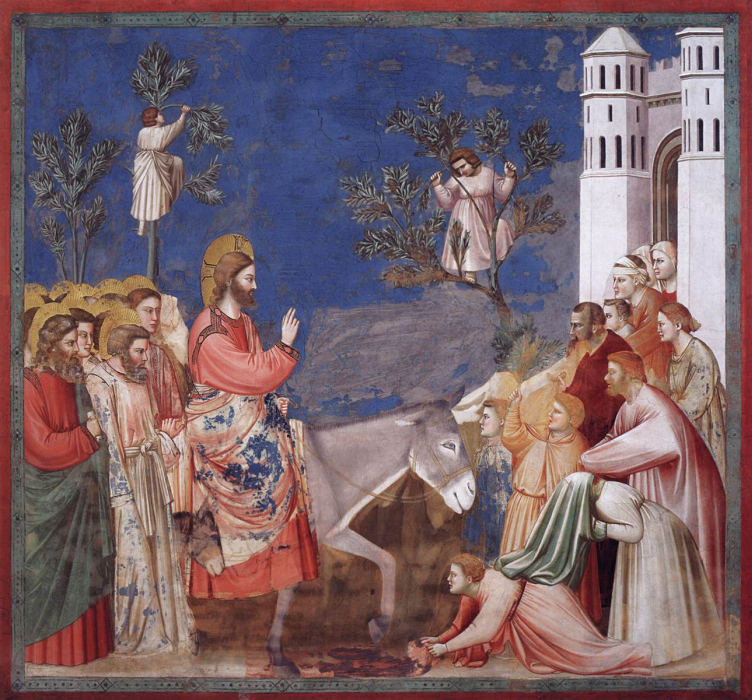
Jesus’ entry into Jerusalem on a donkey was not a triumph but a misfired symbol—an ironic gesture the crowds misunderstood and ultimately rejected. Beneath the Gospels’ later sanitising lies a teacher who defied the messianic expectations imposed on him, and whose authentic voice survives most clearly in his startling, poetic moral teaching.

The census under Caesar Augustus formed the political backdrop to Jesus’ birth, revealing a world shaped by imperial power, taxation, and the struggle for identity under Rome. This essay explores how empire, religion, and human hope intersected in first-century Judea — and why the story still speaks to our own age of control and uncertainty.

A critical yet sympathetic exploration of the Bible as a multi-voiced historical library, from Covenant and exile to Jesus and Paul, Constantine, and modern secular collapse — concluding that Scripture still offers profound value when read metaphorically as a mirror of the human psyche rather than a literal divine manual.

Anger is not a moral failure but a diagnostic signal — an instinct that something has gone wrong. What matters is how we interpret it. Jesus’ cleansing of the Temple shows the mature pattern: anger as awareness, wisdom as response. True discipline, in life and the classroom, restores order without harm.
A clean, authoritative glossary of the most important Latin → English false friends you will encounter across the Vulgate and especially the Psalms.
These are words whose meanings have shifted, narrowed, broadened, or distorted in English, often creating theological misunderstandings.
(= Psalm 101 in Hebrew numbering)Misericordiam et judicium cantaboA psalm of ethical resolve, inner discipline, and the formation of a pure heart. No truncation required. Versus 1 Misericordiam et judicium cantabo tibi, Domine;psallam et intelligam in via immaculata, quando venies ad me. I will sing of mercy and judgment to you, O Lord;I will play …