
This article traces how the resurrection tradition evolved from Paul’s visionary experiences into the richly embellished narratives of the Gospels and Acts—and how this shift transformed Christianity from Jesus’ present-centred ethic into a religion of afterlife, obedience, and institutional power. By examining how “Christ” and resurrection became Christianity’s twin stars, it shows how orthodoxy displaced the simple, existential message of Jesus with a metaphysical system built around death, reward, and control.
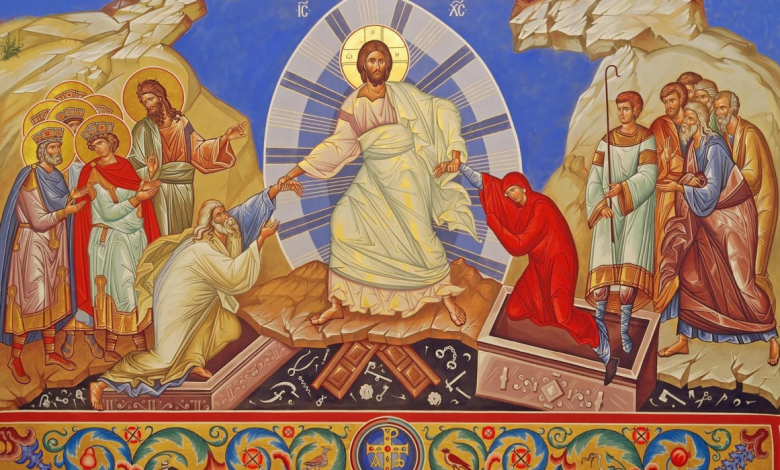
A fresh reading of Paul reveals a profound shift: the apostle transforms the concrete, moral Jesus of the Synoptic Gospels into a cosmic and interior reality. By blending word-frequency analysis with the meanings of Christos and Paul’s near-Gnostic metaphysics, this essay explores how the “Jesus event” became reinterpreted as a universal, communal mystery — far beyond its original first-century context.
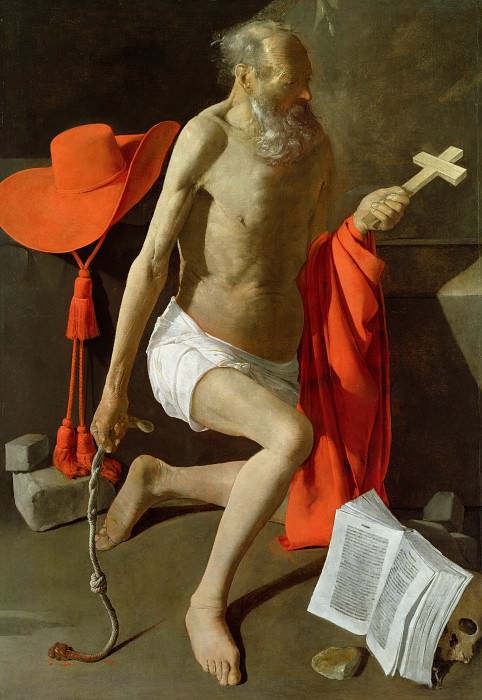
A striking contrast between Jesus’ call to metanoia in the Synoptic Gospels and the guilt-driven “belief” of modern evangelicalism. This essay exposes how psychological guilt, revivalist hysteria, and practices like conversion therapy distort the message of Jesus, and explores metanoia as freedom, dignity, and inner healing.
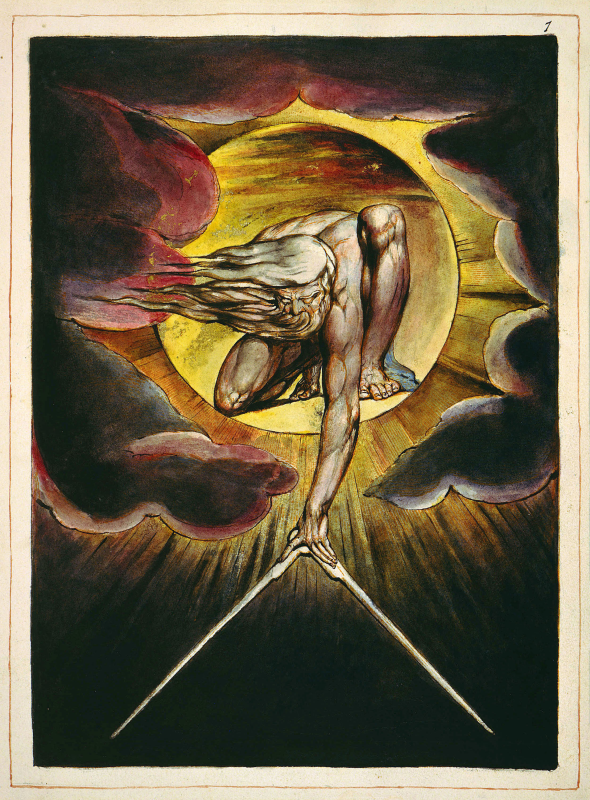
The Psalms are not records of divine weather but maps of the inner life. They describe the movement from turmoil to alignment, from fear to clarity, from fragmentation to the rediscovery of the unchanging centre of our being. Read inwardly, the Psalms become the earliest psychological texts of the Western world — a guide to the resonance between consciousness, creation, and the inner God who steadies us when we have nothing left to give.
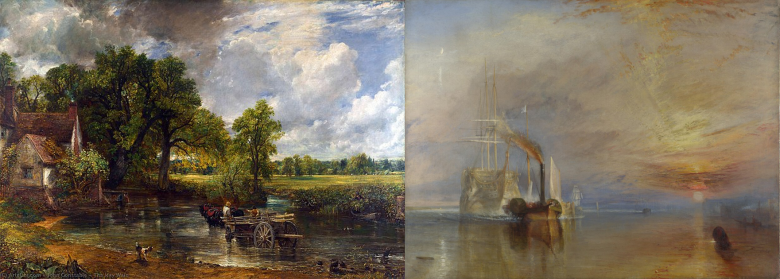
AI inspires both excitement and fear, yet the real danger lies not in the intelligence of the machine but in human abdication—of judgement, of freedom, and of responsibility. This article explores the creative potential of AI, the new Luddism, and the deeper political risks of surveillance and control. The window for open inquiry is narrowing; now is the moment to think clearly.

Before Christianity ever spoke of rebirth or salvation, immersion in water was already a deeply ancient custom. In Judaism and the Dead Sea communities, washing the body signified readiness, reverence, and a return to moral clarity. John the Baptist stood firmly within this tradition. His baptism was not a novel invention but a decisive, symbolic immersion that echoed centuries of Jewish purification practice and prepared the people for the new movement that would follow.
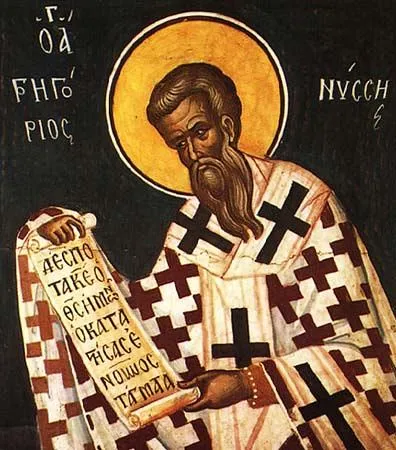
Eine Analyse des Nizänischen Glaubensbekenntnisses und seiner Quellen zeigt eine deutliche Diskrepanz zwischen der historischen Lehre Jesu und der späteren christlichen Dogmatik. Der Text verfolgt, wie sich das Credo aus den Schriften des Paulus, des Johannesevangeliums und den theologischen Streitigkeiten des 4. Jahrhunderts entwickelte — und wie dadurch die ursprüngliche ethische Botschaft Jesu in den Hintergrund trat. Ein Plädoyer dafür, die moralische Vorstellungskraft des historischen Jesus neu zu entdecken.
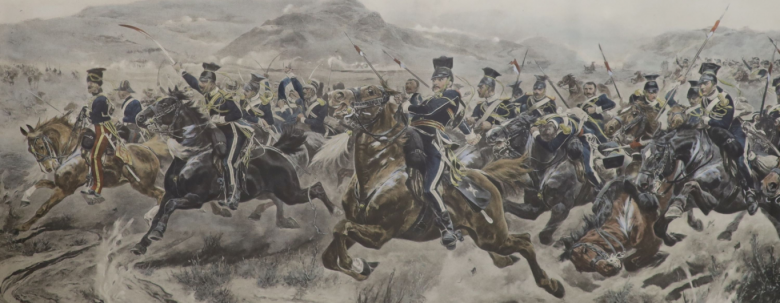
Ein historischer Überblick darüber, wie das Christentum aus einer gemeinsamen mediterranen Welt entstand, wie geopolitische Spannungen sie zerbrachen, und wie sich über Jahrhunderte eine dauerhafte Ost–West-Spaltung herausbildete — von den frühen Konzilien über die Ausbreitung des Islam bis zu den Kreuzzügen und den heutigen Herausforderungen für Europas moralisches Selbstverständnis.
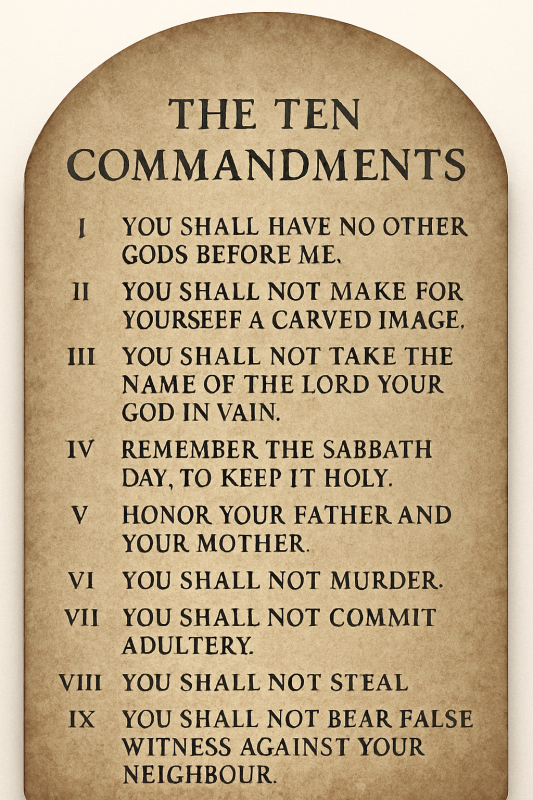
Eine Reflexion über Europas moralische Krise und die Möglichkeit einer pluralen Erneuerung, die psychologische Einsichten, religiöse Traditionen und die ethische Klarheit Jesu verbindet — ohne Dogma, aber mit schöpferischer Verantwortung als gemeinsamer Leitlinie.
No truncation required. Qui habitat in adjutorio Altissimi(= Psalm 91 in Hebrew numbering) One of the most famous psalms: a meditation on trust, protection, and inner refuge. Versus 1 Qui habitat in adjutorio Altissimi, in protectione Dei caeli commorabitur.He who dwells in the help of the Most High shall abide under the protection of the …