
There’s something deep in all of us that craves belonging. You see it not just in humans, but in animals too. Most mammals are born entirely dependent—needing their parent for food, warmth, and safety. But they also need emotional connection. That early bond, especially in humans, shapes more than how we behave—it shapes how we …
📜 Then Came Paul Everything changed when Paul began to write. Paul never met Jesus in person—only in a visionary encounter on the road to Damascus. And in his letters, we see Christ undergo a dramatic evolution. Paul rarely speaks of Jesus’ earthly life. Instead, he writes of: Christ the Redeemer – “Christ died for …
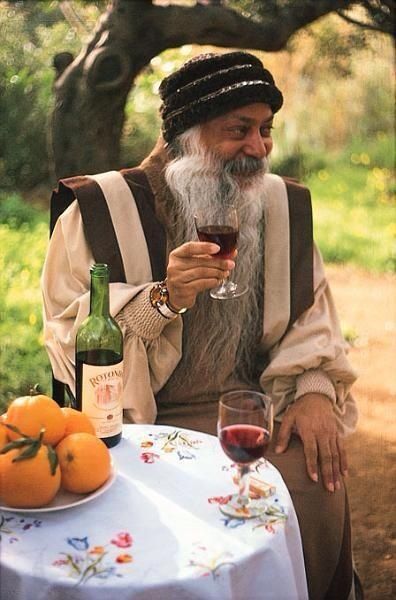
Utopia, Power, and the Collapse of Rajneeshpuram The Oregon phase of Osho’s movement—commonly referred to as the Rajneeshpuram years (1981–1985)—was perhaps the most dramatic and controversial chapter in his life. Marked by rapid expansion, political conflict, authoritarian drift, and eventual collapse, it left a lasting imprint on public perception of Osho and the dangers of …

—and Why That’s a Problem Most of us want someone to lead us. It seems to be part of how humans are wired. We look for a figure—someone strong, confident, and certain—who can tell us what to believe, how to act, and what it all means. That desire makes sense, especially in confusing or difficult …

📚 ““I am not your leader” may sound noble in theory—but in the average classroom, it’s often an invitation to anarchy. In a room full of teenagers—clever, restless, and wired to test boundaries—the absence of visible authority rarely produces freedom. More often, it produces noise. And not the productive kind. Chairs scrape, side conversations multiply, …
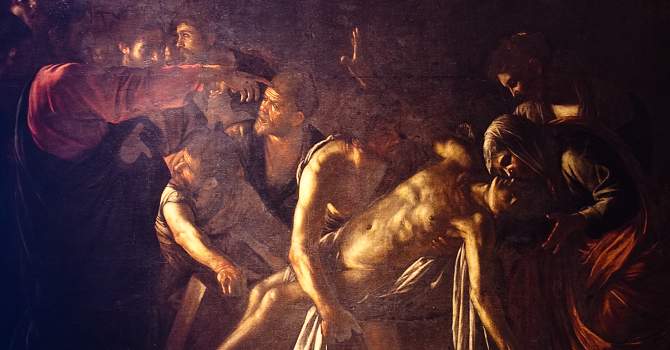
Keeping the Meaning “It is as if we were afraid to state the fact that beyond empirically investigatable reality there is nothing we can know.” There’s a strange discomfort in the modern West. On the one hand, we accept without hesitation that stories like the Niebelungenlied, the Chanson de Roland, and the legends of King Arthur are mythic—cultural artefacts …

Christianity, Collapse, and the Cultural Vacuum The loss of belief in miracles has left the Church in a position of profound uncertainty. Its core teachings—the virgin birth, the resurrection, divine intervention—are no longer taken literally by most of its members. They may recite the creeds, but they do not live as though these events were …
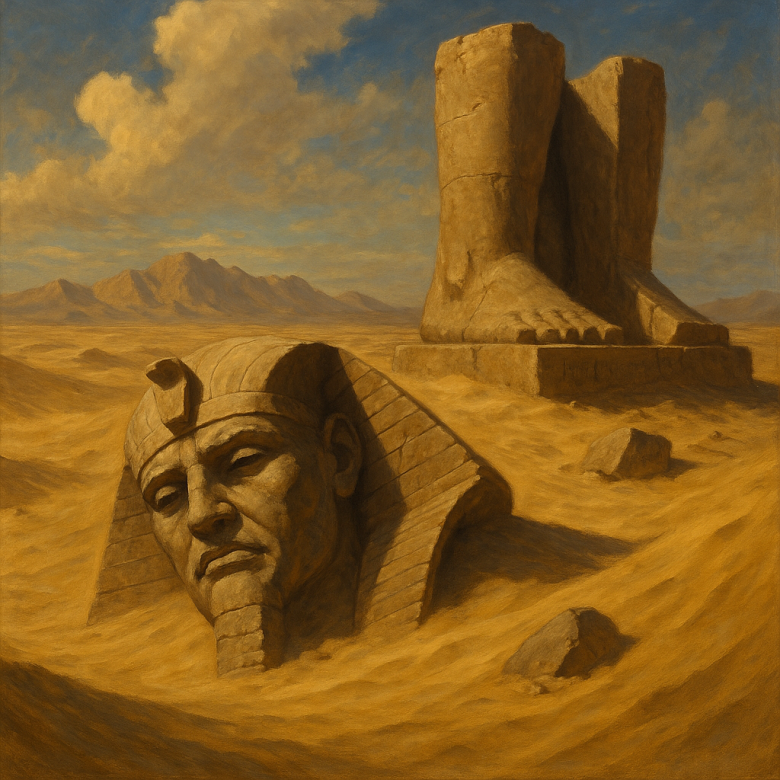
Power, Revolution, and the Inner Problem We like to believe that with the right leader, the right movement, or the right revolution, we can build a just world. But history tells a different story. In 2000, during his presidential campaign, George W. Bush stood before a room of wealthy donors and said with a smirk, …

Power, Charisma, and Collapse in the Modern Cult We’ve seen it again and again—groups that start with high ideals, breakaway visions, and passionate leaders. They offer a way out: from corruption, from loneliness, from spiritual emptiness. They promise a new world, built on love, community, or truth. But one by one, they fall. Waco. Jonestown. …

Does It Work? We’re used to thinking of beliefs as things we either accept or reject based on whether they’re true. But what if we asked a different question: not “Is it true?” but “Does it work?” This idea comes from Neuro-Linguistic Programming (NLP), a pragmatic system of thought developed in the 1970s. NLP treats beliefs not as sacred truths …