ORIENTATION NOTE (IMPORTANT) This is a major liturgical psalm, frequently used in Jewish Passover and Christian Easter contexts. — Psalm 118 (Hebrew)Confitemini Domino quoniam bonus By GRAHAM JOHN A great hymn of thanksgiving celebrating deliverance, trust under threat, and the enduring mercy of God, culminating in a vision of rejected weakness becoming the foundation of …

— Psalm 116:10–19 (Hebrew)Credidi, propter quod locutus sum By GRAHAM JOHN A psalm of trust spoken from within affliction, exploring faith under pressure, the cost of fidelity, and the meaning of thanksgiving offered not in abstraction but in lived response. 10 verses total VERSUS 1–10 (Latin + Literal English + Word Notes) 1 Credidi, propter …
— Psalm 116:1–9 (Hebrew)Dilexi, quoniam exaudiet Dominus By GRAHAM JOHN A personal psalm of thanksgiving in which deliverance from death leads not to triumphalism but to love, trust, and a renewed commitment to walk consciously before God. 9 verses total VERSUS 1–9 (Latin + Literal English + Word Notes) 1 Dilexi, quoniam exaudiet Dominus vocem …
— Psalms 114–115 (Hebrew)In exitu Israel de Aegypto By GRAHAM JOHN A composite psalm of deliverance and trust, recalling Israel’s exodus and contrasting the living God with powerless idols, before reaffirming confidence in divine protection. 26 verses total VERSUS 1–26 (Latin + Literal English + Word Notes) 1 In exitu Israel de Aegypto, domus Iacob …
— Psalm 113 (Hebrew)Laudate, pueri, Dominum By GRAHAM JOHN A hymn of praise celebrating the Lord’s exalted transcendence and his gracious concern for the lowly, reversing human expectations of power and honour. 9 verses total VERSUS 1–9 (Latin + Literal English + Word Notes) 1 Laudate, pueri, Dominum; laudate nomen Domini.Praise the Lord, you servants; …
— Psalm 112 (Hebrew)Beatus vir qui timet Dominum By GRAHAM JOHN A wisdom psalm describing the blessedness, moral stability, and generosity of the righteous person who lives in reverent alignment with God’s order. 10 verses total VERSUS 1–10 (Latin + Literal English + Word Notes) 1 Beatus vir qui timet Dominum; in mandatis eius volet …

Modern professional life increasingly blurs the line between care and commerce. When expertise is entangled with financial incentive, need gives way to expectation, and responsibility quietly shifts from system to individual. This essay reflects on dentistry, healthcare, and wider professional culture to ask how trust erodes when money, authority, and guilt replace honesty, restraint, and proportionality.

If the Christian age is drawing to a close, it is not leaving behind a moral vacuum. What follows Christendom is not disbelief, but a transformed moral consciousness — one that has lost its theological centre yet retains its habits of judgement, concern, and aspiration. This essay explores what comes after moral empire, and whether understanding can replace authority as the animating spirit of the post-Christian world.

Western society has not moved beyond Christian morality so much as absorbed it. Belief has thinned, institutions have weakened, yet moral urgency remains — often sharpened rather than softened. This essay explores how Christendom gave way not to moral neutrality, but to a secular moralism that retains Christian habits of judgement without its metaphysical grounding or its ethic of grace.
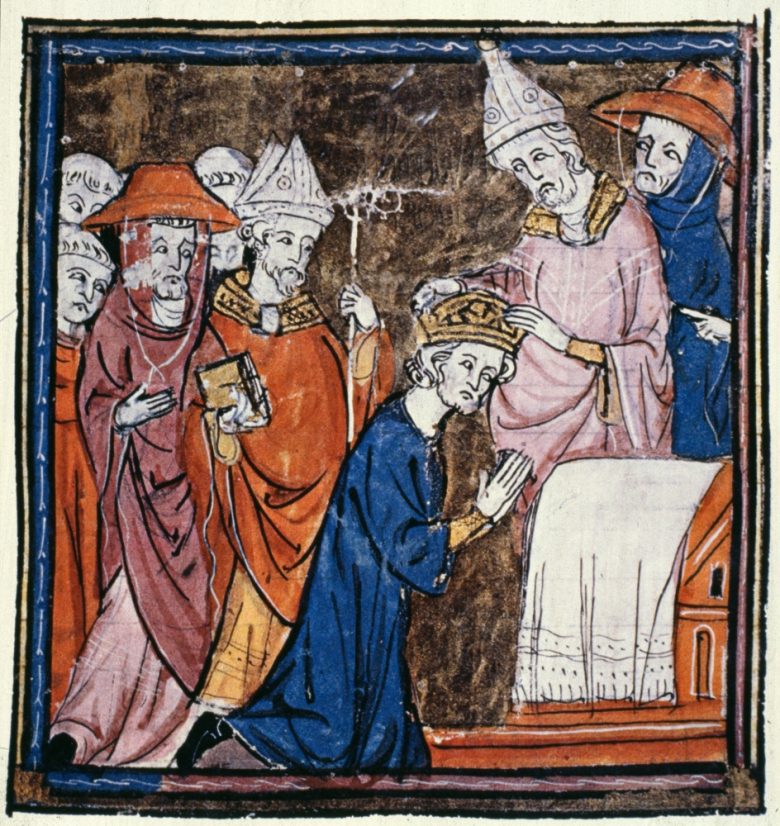
Christianity did not conquer Europe with armies. After the fall of Rome, it spread through networks of meaning: missionaries, monasteries, literacy, ritual, and moral authority. This essay explores how an empire of legions was replaced by an empire of symbols — and why that form of power proved more durable.