Social preview / subtitle:
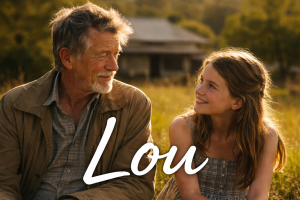
David Gordon Green’s Joe adapts Larry Brown’s 1991 novel with raw Southern grit, but its inverted parables of the Sower and the Samaritan make it one of the bleakest explorations of evil in modern cinema.
Introduction
David Gordon Green’s Joe (2014) adapts Larry Brown’s 1991 novel of the same name, keeping its Southern grit and moral bleakness intact. Shot in rural Texas with a blend of professionals and locals, the film follows ex-con Joe Ransom (Nicolas Cage) and teenager Gary Jones (Tye Sheridan) as a wary bond forms under the shadow of endemic poverty and violence. The film premiered at Venice in 2013 and opened in the U.S. in April 2014; the UK rollout followed that summer.
1. The book and writer behind the film
Larry Brown (1951–2004), a Mississippi firefighter-turned-writer, crafted novels steeped in working-class Southern life: plainspoken, violent, and unsentimental. In Joe (1991) he set a volatile man beside a boy with a brutal father, probing whether decency can survive in poisoned soil. Green’s film carries that same tone: moral codes exist, but they are fragile and easily crushed.
2. The exploration of “total evil”
- Wade’s depravity: The film’s most chilling scene shows Wade (Gary Poulter) trailing and murdering a homeless man for a half-empty bottle of rosé. This plays as an inversion of the Good Samaritan: a man goes down the road and is beaten to death for the little he possesses; no neighbour appears.
- Joe’s truncated goodness: Joe’s better impulses—work, protection, a stab at fatherliness—are real but cut short by his violent death. Read through the Parable of the Sower, the film becomes a counter-parable: the seed of goodness falls on poisoned ground; nothing grows.
The result is a film that denies redemption. Goodness flickers, then is extinguished; evil thrives without purpose or restraint.
3. Peripherals that shape the experience
- Dialect & clarity: Green cast many locals, especially in Joe’s work crew. Their heavy vernacular adds texture but often obscures dialogue, making the story hard to follow.
- Joe–Gary underdeveloped: Their bond convinces in outline but develops abruptly; what feels gradual in the novel arrives suddenly on screen.
- Wade’s abuse (novel vs. film): Brown portrayed Wade’s abuse as a constant force; Green shows it in flashes. Gary’s desperation, then, feels less fully grounded.
4. Reception and the tragedy of Gary Poulter
Gary Poulter—cast from the streets of Austin—delivered a terrifying, unforgettable Wade. In February 2013, before the film’s release, he was found drowned in Lady Bird Lake at age 53. The autopsy cited accidental drowning with acute ethanol intoxication. His one screen role was acclaimed as extraordinary, standing beside Cage’s best performance in years.
Conclusion
Joe is beautifully shot, powerfully acted, and morally disturbing. Seen through the lens of inverted parables—the Sower whose seed cannot grow, the Samaritan who never arrives—it reads as a counter-gospel of backwoods America: mercy absent, goodness futile, violence triumphant.
Notes & Dates
- Novel: Joe by Larry Brown (1991).
- Festival premiere: 70th Venice Film Festival, Aug 30, 2013.
- U.S. release: April 11, 2014 (limited).
- UK release: July 25, 2014 (general promotion).
- Gary Poulter: b. 1959, d. Feb 19, 2013, Austin; cause: accidental drowning, acute ethanol intoxication.