Selections from “5 Études de Jazz” by Erwin Schulhoff
Double Concerto for flute and piano, Op. 63 x: I. Allegro moderato
Erwin Schulhoff (1894–1942) was a Czech composer and pianist known for his distinctive blend of classical, jazz, and avant-garde styles. He was born in Prague and was of Jewish descent. His career was tragically cut short by the rise of Nazi Germany; declared a “degenerate” artist, he was later arrested and deported to a concentration camp, where he died in 1942. Schulhoff’s music, rediscovered posthumously, remains a testament to his innovative spirit and resilience amid persecution.
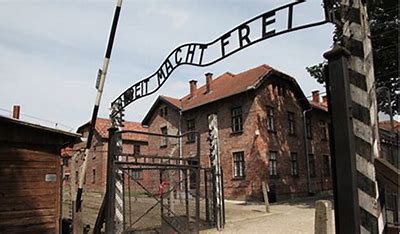
Schulhoff was highly skilled in multiple genres, and his music spanned both traditional forms and more experimental approaches. He studied at the conservatories in Prague and Vienna and was influenced by the early 20th-century movements, including Expressionism, Futurism, and Dadaism. His music reflected the cultural and artistic upheaval of the time, and he incorporated elements of jazz, folk, and even popular music into his compositions, making his style versatile and distinctive.
One of his most famous works is his “5 Piano Pieces” (1923), which showcases his interest in the experimental and avant-garde, as well as his fascination with jazz rhythms. He also composed orchestral works, chamber music, choral pieces, and operas, including the “Ilona” opera (1930), which is an example of his diverse output.
Schulhoff’s career was cut short by the rise of fascism in Europe.
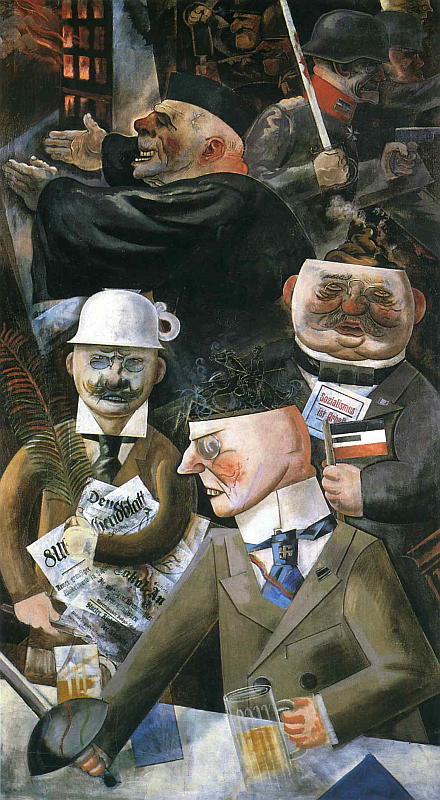
As a Jew, he faced persecution under Nazi rule. He was arrested in 1941 and eventually died in the Wülzburg concentration camp in Germany in 1942. Schulhoff’s health deteriorated due to the harsh conditions, and he died from tuberculosis, which he contracted while imprisoned, just a year after his arrest. Schulhoff was one of the many musicians whose lives and works were tragically impacted by the Holocaust.
Though Schulhoff’s music was largely forgotten for many years after his death, there has been a resurgence of interest in his work in recent decades. His fusion of classical, modern, and jazz elements, as well as his engagement with political and cultural themes, makes him an important figure in early 20th-century music.