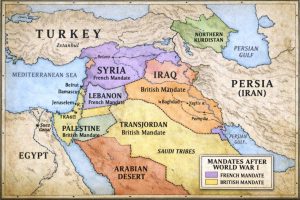
The Arab Spring of 2010–11 was hailed at the time as a democratic awakening. Crowds in Tunis, Cairo, and Benghazi called for dignity, freedom, and justice. In reality, it left behind civil wars, state collapse, and new refugee crises. Why did some Arab states unravel while others, like Saudi Arabia, remained untouched? The deeper issue, in both East and West, is leadership — or rather, the lack of it.
Leadership and Wasted Potential
The Arab world is not poor by nature. It has oil and gas reserves, fertile land, historic trade routes, and youthful populations. Yet these assets were squandered. Leaders presided over wealth without vision. Corruption, short-term patronage, and repression replaced long-term planning. What could have been engines of growth became sources of frustration.
This pattern is not unique to the Middle East. Western nations too are living through a malaise of poor leadership. Leaders often behave like headmasters who do not know their staff: blind to strengths, unable to inspire, more concerned with authority than with releasing potential. The result is stagnation, disillusionment, and wasted opportunity.
The Arab Spring’s Immediate Causes
The uprisings of 2010–11 were sparked by familiar grievances:
- Youth unemployment — millions of young people faced no path to work or dignity.
- Inequality and corruption — elites enriched themselves while citizens struggled.
- Authoritarian stagnation — regimes clung to power instead of adapting.
In Tunisia, Egypt, Libya, Syria, and Yemen, these pressures ignited mass protests that spiralled into revolution. But the underlying current was failure of leadership: governments unable to turn potential into progress.
The Role of the West
Western intervention shaped outcomes too. NATO’s bombing campaign in Libya hastened Gaddafi’s fall but left the country fragmented. Development projects like Libya’s Kufra irrigation scheme, once a symbol of progress, were abandoned in the chaos. Western leaders, for their part, also showed shortsightedness — more eager to topple dictators than to help build stable institutions.
Why Saudi Arabia Was Different
Saudi Arabia avoided the turmoil of its neighbours. The monarchy relied on three pillars:
- Oil revenues: buying stability through subsidies and welfare.
- Security apparatus: capable of crushing dissent.
- Religious legitimacy: embedding authority in shared faith.
In Saudi Arabia, leadership maintained stability not through reform but through wealth and patronage. It was a brittle success, but it worked — at least for the moment.
Religion and Civilisation
Religion has always been more than private belief. Across cultures it formed the backbone of civilisation. It legitimised rulers, set the rhythms of life, and gave shared meaning to hardship and prosperity. The Church in medieval Europe, the Mandate of Heaven in China, Hindu dharma in South Asia, and Islam in the Middle East all provided moral frameworks that shaped politics, economy, and culture.
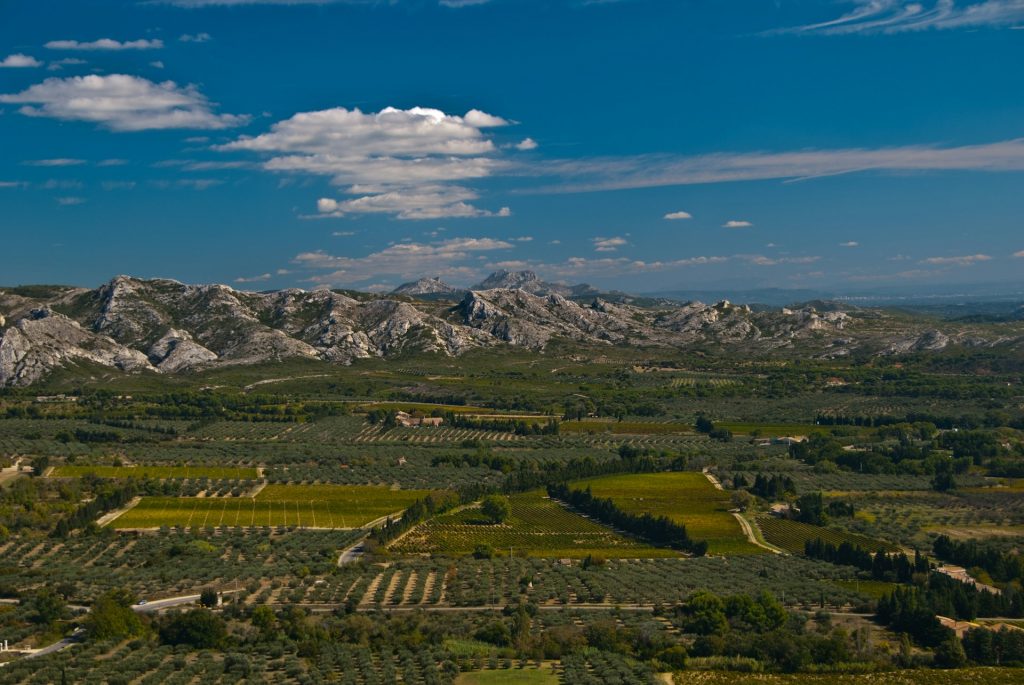
But religion also placed limits. The medieval Church often suppressed inquiry and stifled reform until it was forced to yield in the Reformation and Enlightenment. In China, Confucian orthodoxy sometimes discouraged innovation. In the Arab world, Islam structured law, identity, and agriculture. Its prohibition of alcohol, for example, reshaped economies: vineyards, once a mainstay of Mediterranean agriculture, were abandoned in much of North Africa after independence.
The decline of vineyards is more than an agricultural footnote. Viticulture anchored rural economies and helped hold back desertification. In Spain, with a similar climate, vineyards flourished and became a backbone of rural stability and national wealth. In Libya, Algeria, and elsewhere, their disappearance removed one more foundation of stability.
The larger point is that religious convictions — in every civilisation — give a distinctive pitch to socio-political development. They structure what is possible, what is legitimate, and what is taboo.
East and West Alike
The Arab Spring is often seen as a story of the Middle East. Yet its lessons extend further. The same failure of leadership that produced collapse in Libya or Syria also produces malaise in the West. Economic resources and human talent count for little when leaders cannot use them. Whether in Cairo, Tripoli, London, or Washington, the result is the same: disillusionment, wasted potential, and a sense that the future is slipping away.
Conclusion
The Arab Spring was not inevitable. It was the result of weak economies, authoritarian regimes, and, above all, poor leadership. Saudi Arabia escaped only because it could buy stability with oil wealth and religious legitimacy.
But the disruption did not remain confined to the Arab world. The collapse of regimes in Libya, Syria, and beyond created mass migration into Europe, fed terrorism, and destabilised energy markets. Western governments, quick to intervene but slow to rebuild, are now paying part of the price in strained borders, polarised politics, and growing mistrust of their own leaders.
The lesson is wider. Civilisation depends not only on material resources but on leadership able to draw on them wisely. Where leaders fail — East or West — malaise sets in. Resources are wasted, trust evaporates, and societies drift. The Arab Spring is a warning, not just to the Arab world but to all of us.