
A simple contrast between a Rolex and a Casio becomes a meditation on Christianity, conscience, and the age of AI. As automated systems expand, the real danger is not overt tyranny but the quiet erosion of inward life. When conscience is overshadowed by authority and behaviour becomes measurable performance, we edge closer to Orwell’s vision — not through malice, but through efficiency.
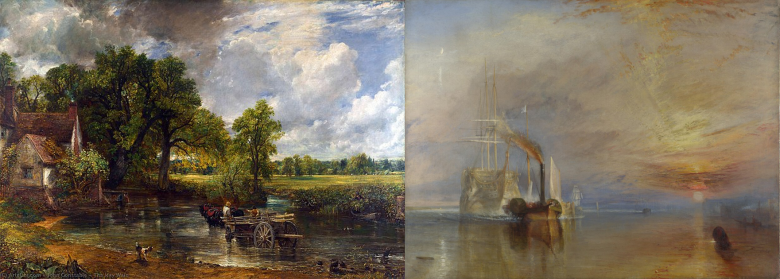
AI inspires both excitement and fear, yet the real danger lies not in the intelligence of the machine but in human abdication—of judgement, of freedom, and of responsibility. This article explores the creative potential of AI, the new Luddism, and the deeper political risks of surveillance and control. The window for open inquiry is narrowing; now is the moment to think clearly.
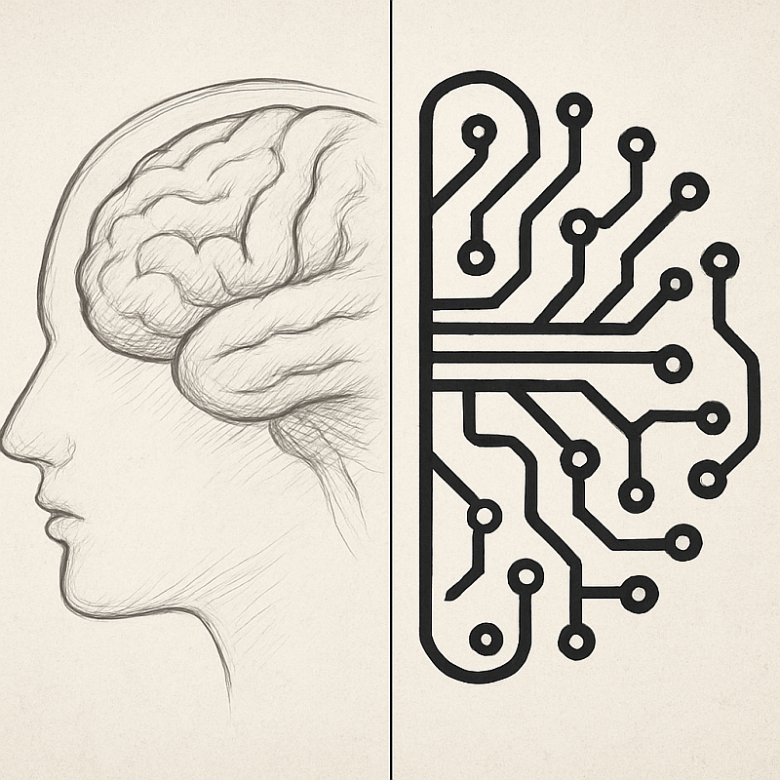
A visual reflection on the deepest difference between humans and AI: the human mind grows through experience and becomes itself over time, while AI arrives fully formed, pre-structured, and without a lived past. This split image captures the contrast between organic consciousness and engineered intelligence.
From Chomsky’s early search for rules to today’s learning machines, this essay traces how linguistics tried — and failed — to explain meaning through structure. The story leads from semantic markers to Large Language Models, showing how the statistical approach once dismissed as mechanical has achieved a sophistication that mirrors the very act of writing itself.
Across Europe, the act of knowing the citizen has become a test of power.
These three essays trace how identity moved from the census to the classroom, from the passport to the algorithm. Germany counts precisely; Britain hesitates to count at all. Yet both reveal the same unease — that the more the state tries to know its people, the more it risks losing their trust. Counting Strangers, The British Fear of Being Known, and From Card to Code follow that uneasy journey from bureaucratic record to digital surveillance, asking what remains of freedom when knowledge itself becomes a form of control.
Revelation’s “mark of the beast” warned of a future where no one could buy or sell without state approval. Orwell imagined the same logic in 1984. Today, proposals for digital ID cards echo both warnings. With National Insurance numbers already in place, the issue is not whether we are numbered, but how far that numbering can be used for control. From the Farage banking scandal to Starmer’s push for digital IDs, Britain faces a choice between efficiency and liberty.