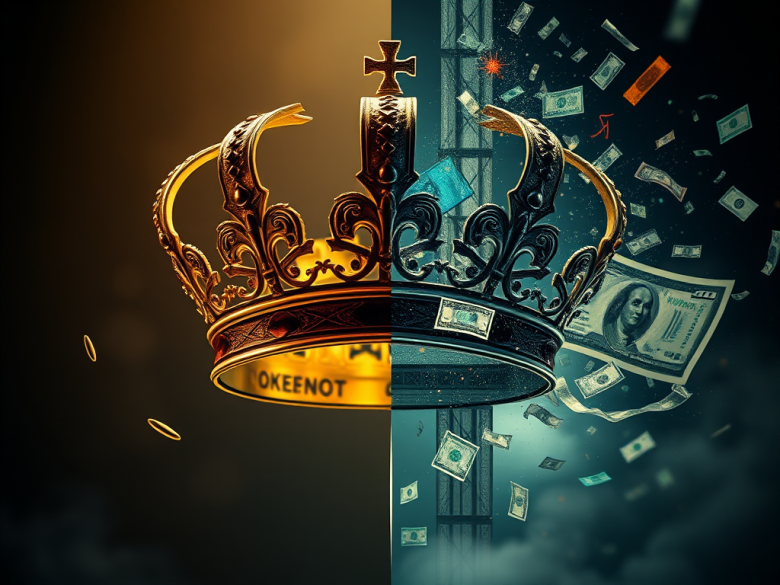
European history can be read as a long migration of power — from church and crown to parliaments, and now to systems that have no face and no voice. Once exercised openly through command and coercion, authority today works quietly, through incentives, obligations, and invisible thresholds that shape everyday life. Democracy remains in form, but power increasingly resides elsewhere, managed beyond the reach of popular consent.
Once the British working class carried an unspoken code of loyalty, duty, and honour — a moral architecture that gave meaning to lives built on hard labour. Today, that structure has collapsed. What remains is not liberation but loss: a generation cut adrift from purpose, belonging, and hope.