
Prayer is often understood as asking for things, but in the Gospels it appears as something quite different. It is not a means of control, but a moment of release — a stepping back from the self and a return to what is real. In prayer, one lets go, sees more clearly, and, however briefly, is set in the right direction.

A simple contrast between a Rolex and a Casio becomes a meditation on Christianity, conscience, and the age of AI. As automated systems expand, the real danger is not overt tyranny but the quiet erosion of inward life. When conscience is overshadowed by authority and behaviour becomes measurable performance, we edge closer to Orwell’s vision — not through malice, but through efficiency.

What happens when inward moral responsibility collapses and is replaced by external control? Tracing a line from Adam and Eve through Christianity, Imodern bureaucracy, and AI surveillance, this reflection explores how belief systems shape moral psychology — and how extremism emerges when conscience gives way to compliance. Individuation, once a personal journey, now appears as a civilisational safeguard.
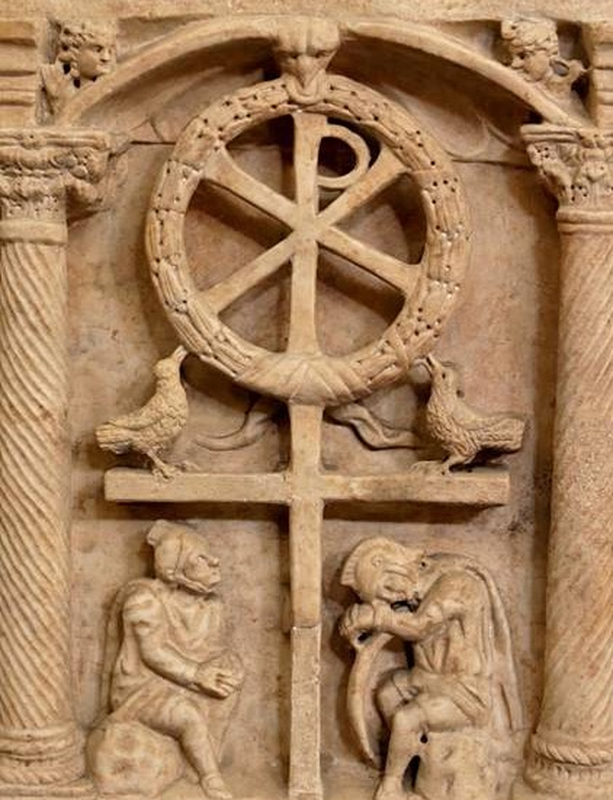
Christianity did not triumph because it was truer than Judaism, but because it was structured to expand. Shaped by the Roman world, it crossed borders, absorbed outsiders, and built institutions that could scale. Judaism endured through continuity, identity, and boundary-keeping — strengths that preserved it as a people, but limited its spread as a universal movement.

Christianity reshaped Europe not by replacing Rome’s legions but by moving moral discipline inward. When the Western Empire collapsed, the Church stepped into the vacuum with a new kind of authority — one rooted in conscience, guilt, and self-surveillance. The West has lived inside this psychological framework ever since, from medieval confession to modern moral panics.

A historical reflection on how Christianity once shaped a unified Mediterranean world, how Islam transformed the East, and how centuries of tension reshaped Europe. The article argues for a renewed moral centre today—not doctrinal, but rooted in mutual respect and the ethical core of Jesus’ teaching.
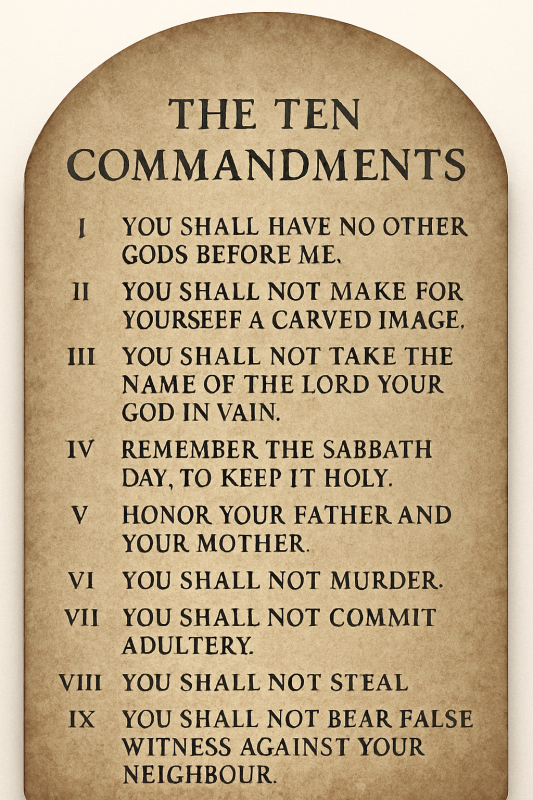
A reflection on how Europe might rediscover a shared moral centre without enforcing religious uniformity. Using Jesus’ ethic as one integrative voice among many, this piece explores innate moral capacities, cultural modelling, and the creative–destructive axis at the heart of human behaviour. Includes scientific notes and two asides on moral development and plural ethics.
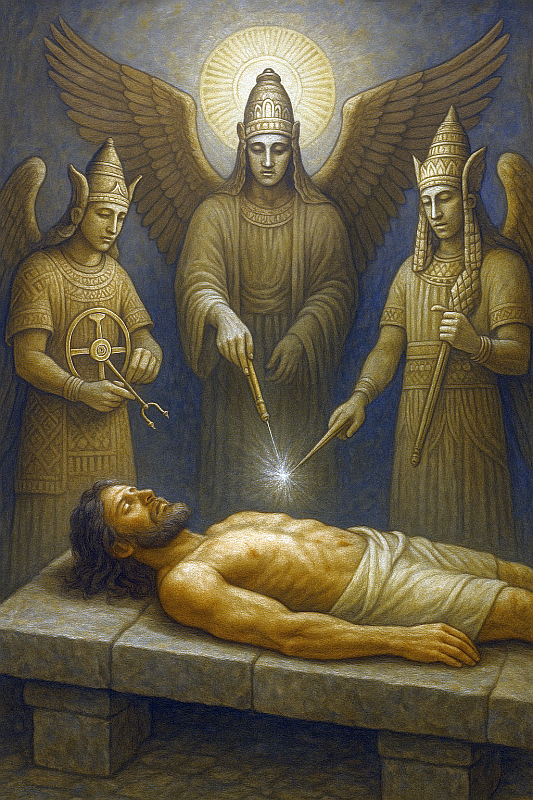
A demythologised reading of Genesis and the Gospels reveals a single thread running through human history: we are conflicted, powerful, unstable creatures trying to understand ourselves. Eden describes why we are dangerous; Jesus offers a path to inner transformation. Later doctrine turned this into metaphysics, but the original insight was psychological. This article explores Adam, Meister Eckhart, the Synoptics, and the Sumerian myths as early attempts to explain the divided human self — and what redemption really meant.

A reflection on how debate in Britain has become the preserve of the few, leaving most pupils trained to perform rather than to think. Drawing on personal experience, it argues for a new educational humanism grounded in moral, civic and intellectual formation.
A historical and psychological journey through the making of biblical literalism — how faith that once saw Scripture as symbol and wisdom became bound to words on a page. This essay traces the shift from Origen and Augustine to American fundamentalism, revealing how the need for certainty replaced the quest for understanding.