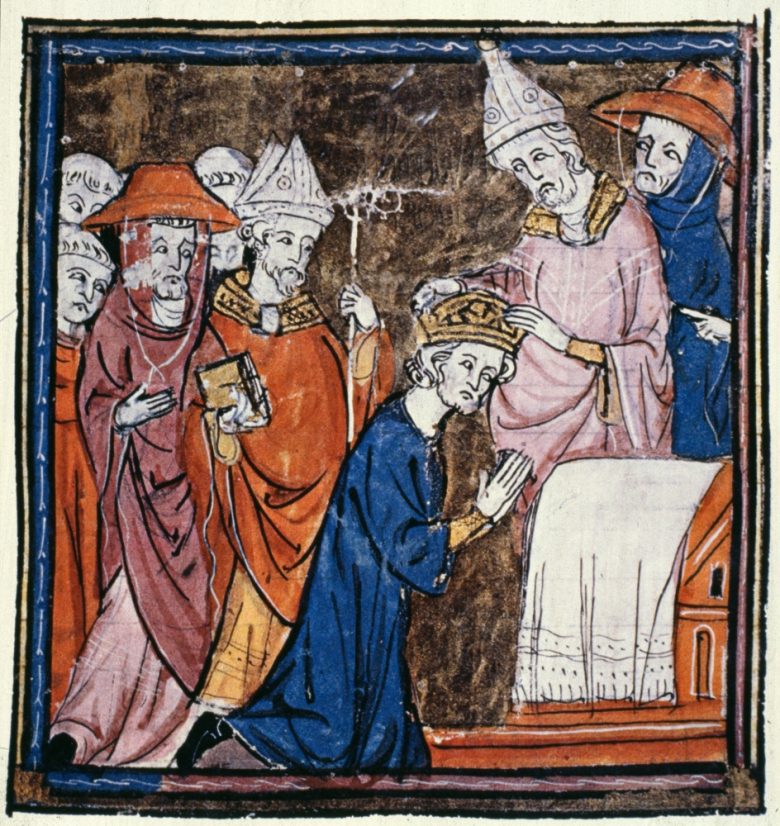
Christianity did not conquer Europe with armies. After the fall of Rome, it spread through networks of meaning: missionaries, monasteries, literacy, ritual, and moral authority. This essay explores how an empire of legions was replaced by an empire of symbols — and why that form of power proved more durable.
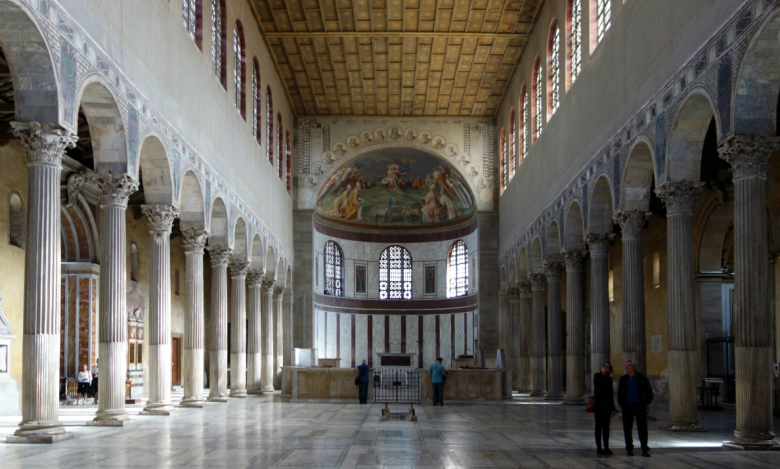
Christianity did not survive because it was inevitable or uniquely true, but because it learned how to endure within power. Competing early Christianities fell away not through error alone, but through political unusability. What survived was an orthodox faith shaped by Roman structures — disciplined, hierarchical, and adaptable enough to stabilise a civilisation after the fall of Jerusalem.

The Christianity that entered the Roman Empire was not the disruptive message Jesus taught in Galilee, but a reshaped faith the empire could use. The raw Synoptic ethic — reversal of status, rejection of hierarchy, inner transformation over obedience — was incompatible with imperial power. What survived was what could be adapted: creeds, offices, authority, and a cosmic Christ who stabilised the social order. Yet beneath these layers, the original voice still whispers through the Gospels, offering a vision of freedom no empire has ever been able to absorb.
Western European civilisation grew from two great pillars: the authority of the Church and the power of kings. Together they gave structure, law, and continuity. Yet freedom emerged not from their dominance but from the people’s assertion against them. This article traces the interplay of faith and monarchy, the witness of the Anglo-Saxon Chronicles, and the turning point of the 1960s, when both Church and King lost their hold, leaving today’s fragile democracy exposed.