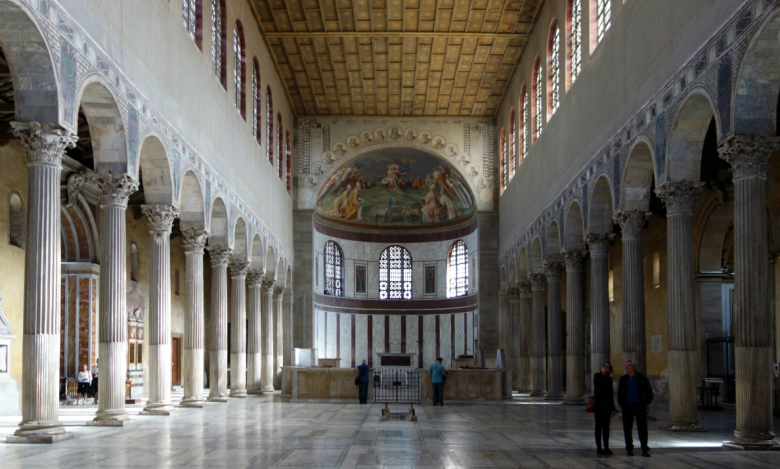
Christianity did not survive because it was inevitable or uniquely true, but because it learned how to endure within power. Competing early Christianities fell away not through error alone, but through political unusability. What survived was an orthodox faith shaped by Roman structures — disciplined, hierarchical, and adaptable enough to stabilise a civilisation after the fall of Jerusalem.
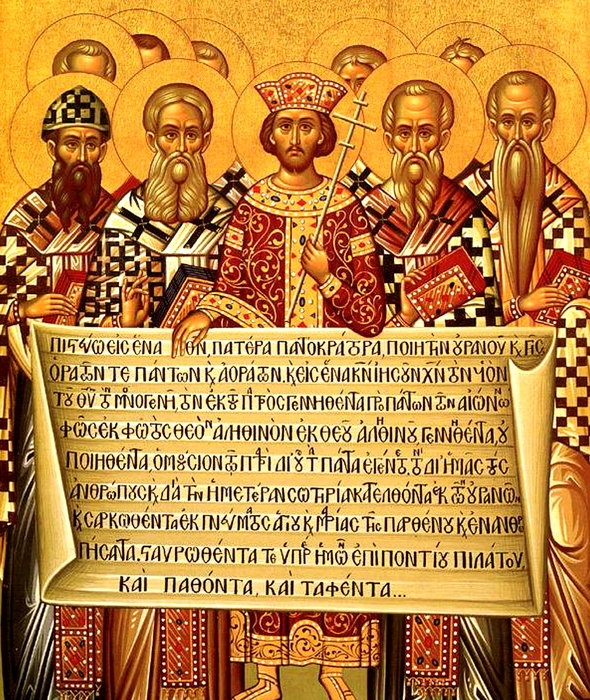
Christianity began as fluid storytelling, not as a system of rules. Yet within four centuries, oral traditions hardened into authoritative texts used to define doctrine, regulate behaviour, and support imperial power. This essay traces how the Gospels moved from living memories of Jesus to instruments of governance, shaping the Church and the civilisation built around it.

The Christianity that entered the Roman Empire was not the disruptive message Jesus taught in Galilee, but a reshaped faith the empire could use. The raw Synoptic ethic — reversal of status, rejection of hierarchy, inner transformation over obedience — was incompatible with imperial power. What survived was what could be adapted: creeds, offices, authority, and a cosmic Christ who stabilised the social order. Yet beneath these layers, the original voice still whispers through the Gospels, offering a vision of freedom no empire has ever been able to absorb.
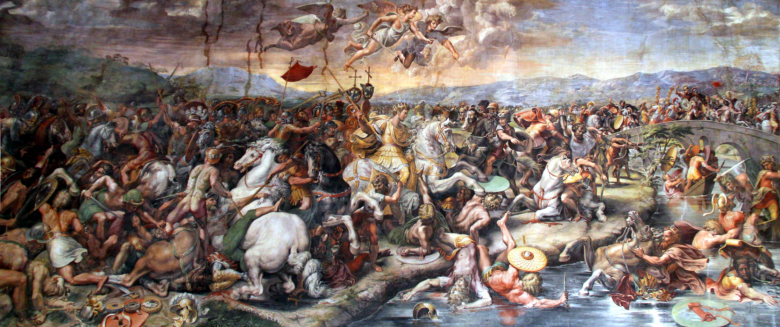
A single political decision in the fourth century reshaped the entire moral imagination of the West. Constantine did not adopt Christianity because it was true, but because it was useful — a ready-made network of obedience, discipline, and social cohesion. What followed was not the fall of Rome but its transformation into a moral empire governed by conscience instead of armies. This article traces how that fusion of power and faith still shapes modern Europe, from institutional authority to the rise of today’s moral culture.

A critical yet sympathetic exploration of the Bible as a multi-voiced historical library, from Covenant and exile to Jesus and Paul, Constantine, and modern secular collapse — concluding that Scripture still offers profound value when read metaphorically as a mirror of the human psyche rather than a literal divine manual.
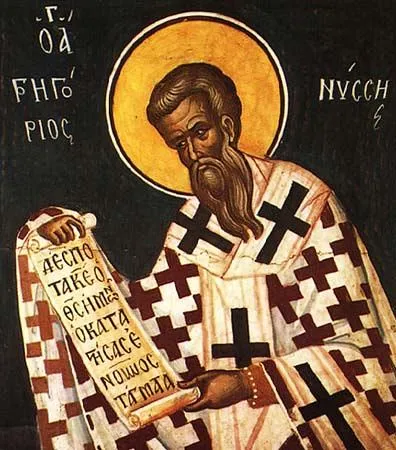
A close reading of the Nicene–Constantinopolitan Creed reveals how little of it reflects the actual teaching of Jesus. Instead, it draws heavily on Paul, John, and fourth-century metaphysics shaped by imperial needs. This article examines why Christianity drifted so far from Jesus’ ethical message and how doctrine replaced the original moral vision of the Gospels.