
Christianity reshaped Europe not by replacing Rome’s legions but by moving moral discipline inward. When the Western Empire collapsed, the Church stepped into the vacuum with a new kind of authority — one rooted in conscience, guilt, and self-surveillance. The West has lived inside this psychological framework ever since, from medieval confession to modern moral panics.
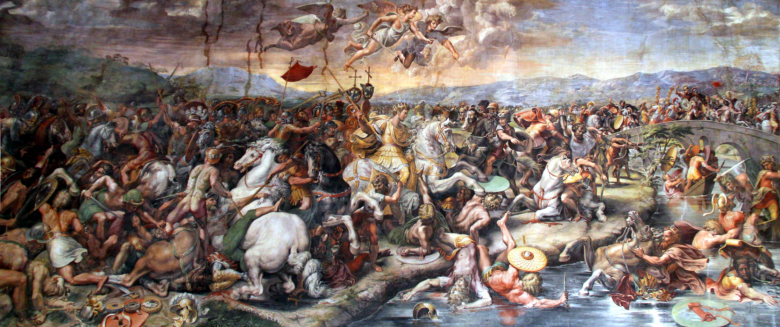
A single political decision in the fourth century reshaped the entire moral imagination of the West. Constantine did not adopt Christianity because it was true, but because it was useful — a ready-made network of obedience, discipline, and social cohesion. What followed was not the fall of Rome but its transformation into a moral empire governed by conscience instead of armies. This article traces how that fusion of power and faith still shapes modern Europe, from institutional authority to the rise of today’s moral culture.