
Crime and punishment are often treated as opposites: wrongdoing on the one hand, and the infliction of penalty on the other. Yet much of human conduct takes place under conditions of partial understanding. We act, judge, and react without seeing fully. If this is so, then the instinct to punish—to return harm for harm—rests on a confidence in our own clarity that may not be justified. The question is not whether wrongdoing occurs, but how we respond to it: whether we perpetuate the cycle, or bring it quietly to an end.
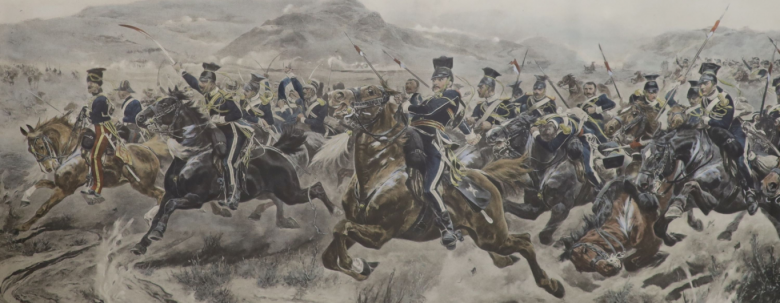
A historical reflection on how Christianity once shaped a unified Mediterranean world, how Islam transformed the East, and how centuries of tension reshaped Europe. The article argues for a renewed moral centre today—not doctrinal, but rooted in mutual respect and the ethical core of Jesus’ teaching.

A reflection on how Europe might rediscover a shared moral centre without enforcing religious uniformity. Using Jesus’ ethic as one integrative voice among many, this piece explores innate moral capacities, cultural modelling, and the creative–destructive axis at the heart of human behaviour. Includes scientific notes and two asides on moral development and plural ethics.

Jesus feels modern not because of theology, but because of his fearless moral clarity. Once we strip away the metaphysical layers, the radical teacher of the Synoptics emerges: a compassionate social philosopher who confronted wealth, hierarchy, exclusion, and fear. This article explores how the historical Jesus differs from the later “metaphysical Christ,” and why his vision still exposes the moral fault-lines of our own age.
After 1945, Europe rebuilt not only its cities but also its conscience. What began in Germany as a reckoning with absolute evil became a continental project — the attempt to redeem civilisation through democracy, human rights, and reason. This essay traces that moral arc from guilt to responsibility, from rebellion to fatigue, and from faith in redemption to the disillusionment of the present.
Are humans naturally exploitative, or do we learn domination from culture? This essay traces the roots of exploitation from evolution to empire and argues that individual virtue must be joined to collective