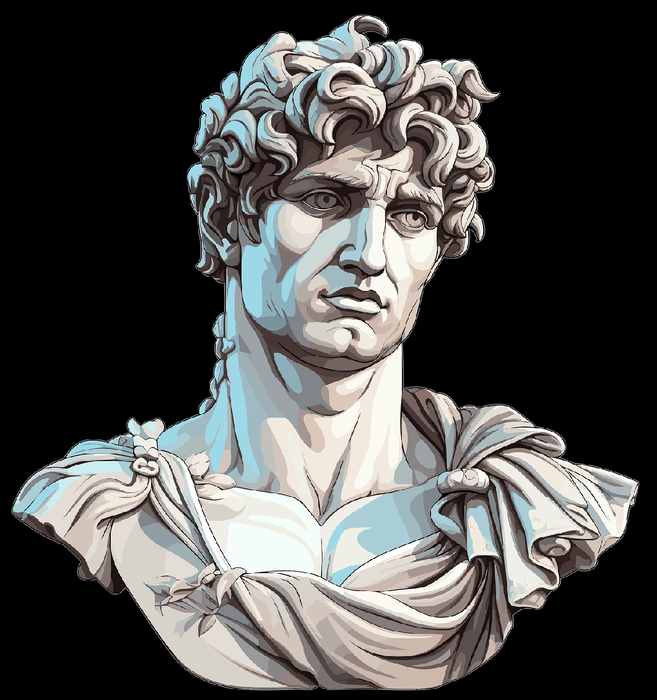
Europe tells itself that Rome fell in 476 CE, but the structures of the empire never disappeared. They migrated into the Church, into medieval kingship, into the nation-state, and finally into the European Union. Law, hierarchy, bureaucracy, and moral order — the governing mind of Rome — still shape the continent. Europe is not post-Roman; it is Rome in modern dress.

From Schiller and Beethoven to the EU project, and from Steinmeier to the AfD, this essay explores how Germany’s cultural idealism once shaped Europe — and how today’s political tensions threaten the unity symbolised by the “Ode to Joy.” Dialogue, not exclusion, is the test of democratic confidence.
Alice Weidel’s Bundestag speech accusing the German government of fiscal and moral decay echoes far beyond Berlin. Many of her criticisms — debt, industrial decline, migration pressures, and the erosion of trust in political institutions — could be voiced just as easily in Westminster. This essay compares Germany and Britain in 2025, examining economic data and broader cultural parallels to show how both nations face a crisis of confidence born from deindustrialisation, bureaucratic expansion, and public alienation. The decline she described in Berlin, as echoed by voices like Richard Tice and Nigel Farage in the UK, reflects a shared European malaise.