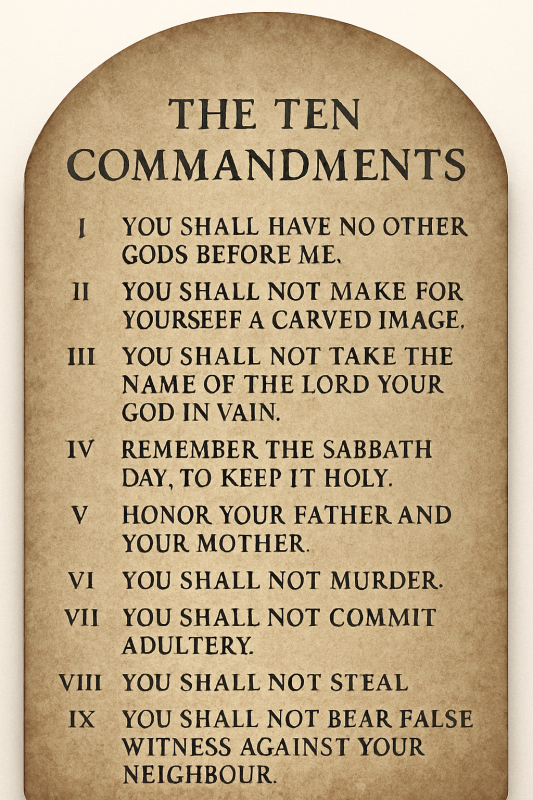
A reflection on how Europe might rediscover a shared moral centre without enforcing religious uniformity. Using Jesus’ ethic as one integrative voice among many, this piece explores innate moral capacities, cultural modelling, and the creative–destructive axis at the heart of human behaviour. Includes scientific notes and two asides on moral development and plural ethics.
Roger Waters’ The Wall is more than a rock album — it is the requiem of a civilisation that rebuilt its cities and lost its soul. This essay traces the work’s roots in post-war disillusionment, its existential honesty, and its moral warning to the modern West. Blending personal memory with cultural analysis, it reflects on the hollow triumphs of the 1960s and the enduring need for inner renewal beyond the walls we build around ourselves.
Jean-Paul Sartre (1905–1980) turned the collapse of religious certainty into a demand for moral self-authorship. This essay sketches his life, clarifies his philosophy (“existence precedes essence”), traces the steps by which he reached his insights—from bleak fiction to public ethics—and considers possible misunderstandings that remain. It concludes with a sober appraisal: we need not act from anxiety or ideology; real action springs from the will to live.
Religion and metaphysics are not revelations from beyond but the stories we tell ourselves to soften the facts of mortality and failure. The diversity of human behaviour arises from the shifting interplay between genes and experience — a balance science can describe but not yet measure. Even in an age of reason, we continue to weave meaning into suffering because we cannot bear the thought that there may be none.
From Daimons to Nothingness traces the human search for consciousness across three horizons — mythic, scientific, and existential. From Patrick Harpur’s daimonic imagination to the neuroscience of the brain and Sartre’s void within being, it explores how awareness bridges reality and illusion, hope and finality, ending in a lucid acceptance of our brief, luminous existence between two darknesses we call life.
For three centuries France and Britain have rebelled against religious authority, from Voltaire’s écrasez l’infâme to Nietzsche’s death of God and the modern satire of Private Eye and Le Canard enchaîné. Yet rebellion, once a weapon of liberation, has hardened into reflex. The challenge today is not to keep mocking but to recover conviction—before the state learns to silence even our laughter.
A reflection on Shakespeare’s vision of futility, Christianity’s imposed meaning, the Romantics’ fragile beauty, and existentialism’s void — and why the true flame of life is found within, constant and indestructible.