In both Germany and Britain, democracy still exists in form — but increasingly less in substance. As politics becomes more managerial and moralised, public trust erodes and genuine debate narrows. This essay reflects on Friedrich Merz and Keir Starmer as figures of a wider transformation: the quiet shift from democratic participation to administered consent, and the growing danger of a society in which freedom survives only in name.
In Deutschland wie in Großbritannien existiert Demokratie weiterhin in ihrer äußeren Form – doch ihr innerer Gehalt erodiert zunehmend. Während Politik immer stärker verwaltet und moralisch aufgeladen wird, schwindet das Vertrauen der Bürger, und der Raum für echte Auseinandersetzung verengt sich. Der Essay betrachtet Friedrich Merz und Keir Starmer als Ausdruck dieser Entwicklung und fragt, was geschieht, wenn Demokratie mehr verwaltet als gelebt wird.
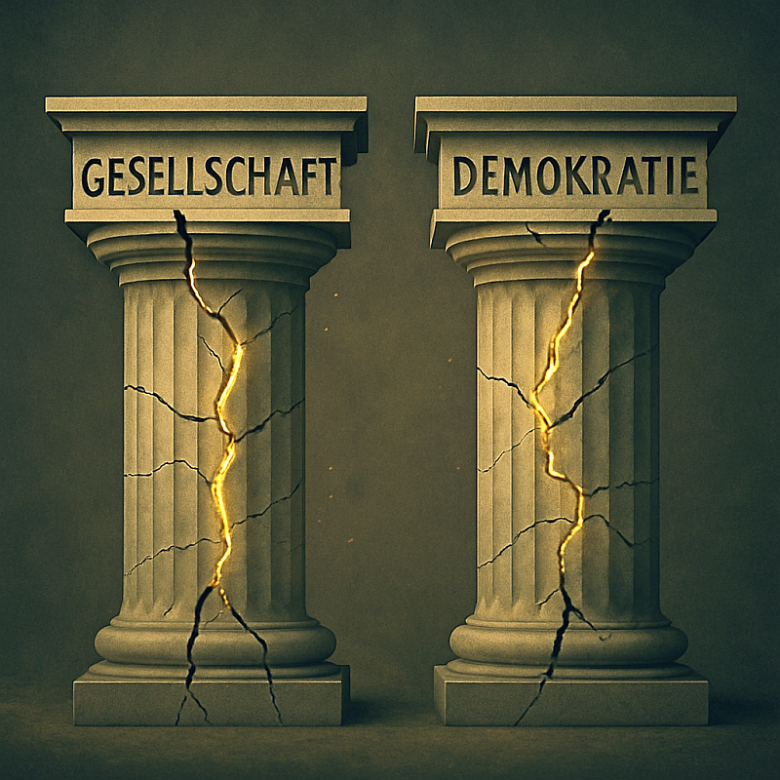
Public debate in Britain and Germany increasingly blames immigration for social and political strain. Yet most pressures—housing shortages, overstretched schools and hospitals, stagnant wages, declining neighbourhoods, and falling trust—began decades before recent migration waves. Immigration is not the cause of systemic weakness; it merely exposes it. This essay traces the deeper forces behind today’s instability: long-term underinvestment, the neoliberal shift since the 1980s, demographic ageing, bureaucratic rigidity, and the erosion of social cohesion. It also examines why parties like the AfD and Reform UK attract support—and why their rise reflects a democratic system struggling to correct itself.
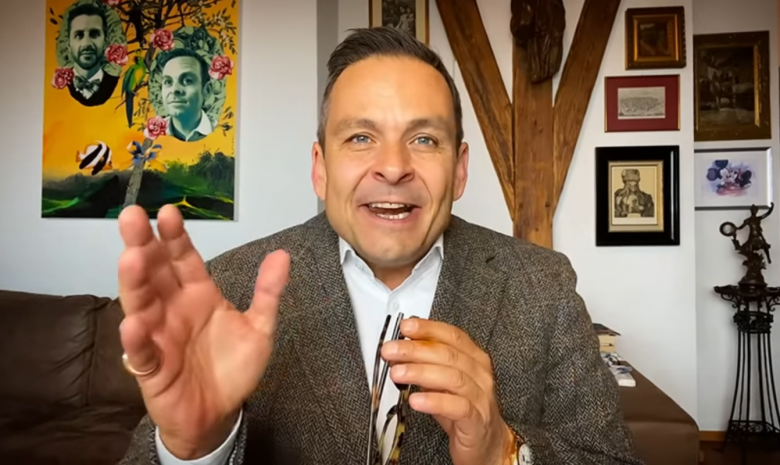
A sharp analysis of Gerald Grosz’s recent speech accusing Germany’s leaders of manufacturing fear to distract from domestic failures. This summary examines the speech’s claims, rhetorical strategies, emotional appeal, and weaknesses, showing how populist performances galvanise disillusioned voters while offering little balanced analysis. It explores why such messages resonate in today’s climate of distrust and political fragmentation.
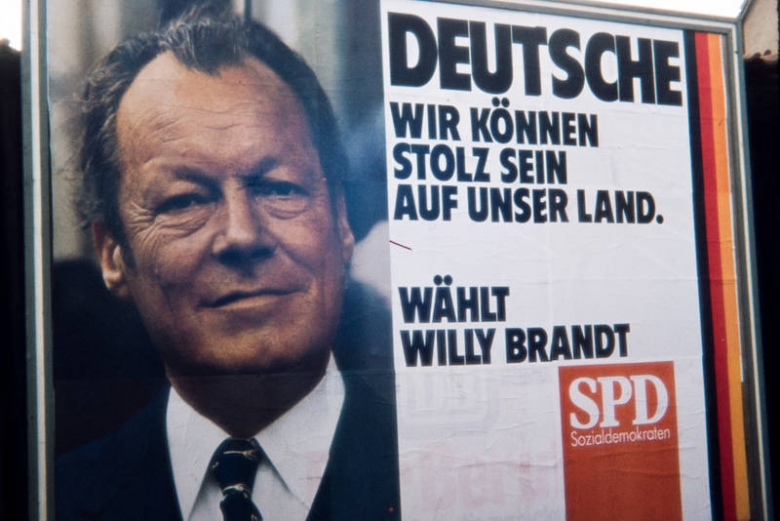
A personal and historical reflection on German education from Humboldt to the 1970s: the rigor of continual assessment, the dignity of the old Abitur, the rise of the Gesamtschule, and the slow erosion of standards in the late twentieth century. Seen through the eyes of an English teacher working in North Rhine-Westphalia, this article contrasts German seriousness with British drift and explores how a once-formidable system began to follow the comprehensive path already taken in the UK and the USA.

From Schiller and Beethoven to the EU project, and from Steinmeier to the AfD, this essay explores how Germany’s cultural idealism once shaped Europe — and how today’s political tensions threaten the unity symbolised by the “Ode to Joy.” Dialogue, not exclusion, is the test of democratic confidence.
A reflection on how satire and self-expression have evolved from the court jester to the YouTube commentator. In an age when anyone can speak with the authority of a king, emotion often replaces argument, and outrage becomes its own form of power.
A reflective essay responding to President Steinmeier’s 9 November 2025 speech on “defensive democracy,” arguing that moral exclusion by the political establishment now threatens democratic trust as surely as populist extremism.
After 1945, Europe rebuilt not only its cities but also its conscience. What began in Germany as a reckoning with absolute evil became a continental project — the attempt to redeem civilisation through democracy, human rights, and reason. This essay traces that moral arc from guilt to responsibility, from rebellion to fatigue, and from faith in redemption to the disillusionment of the present.
In Bochum-Wattenscheid, the election of an AfD deputy mayor has triggered outrage, suspicion, and calls for his removal — a local drama that mirrors Europe’s wider fear of populism. This essay explores how inherited guilt, moral panic, and the urge to “defend democracy” can end up undermining it, turning freedom into ritual self-policing.