
How did a Jewish teacher executed around 30 CE become, within a few centuries, the centre of an elaborate theology defining him as fully divine? This article follows the development from Paul and the Gospels through Marcion, Irenaeus, Arius, Athanasius, Constantine and the great councils of the fourth and fifth centuries.
Christianity, as history has handed it down, is not identical with its original impulse. What may once have been a small Jewish movement, centred on inner change and moral re-alignment, was gradually overlaid by cosmic theology, mythological symbolism, sacramental structure, and institutional dogma. Paul universalized the movement; later centuries elaborated it; orthodoxy organized and defended it. Yet the stripping away of those later accretions need not end in mere negation. Beneath them, the original summons may still be heard: a call to metanoia, to a reawakening of the moral centre, to the recovery of that inbuilt orientation towards the good which the world so easily obscures. If so, the real significance of Christianity lies less in dogma than in the possibility that, beneath all its historical layers, it still preserves a call to become inwardly true.
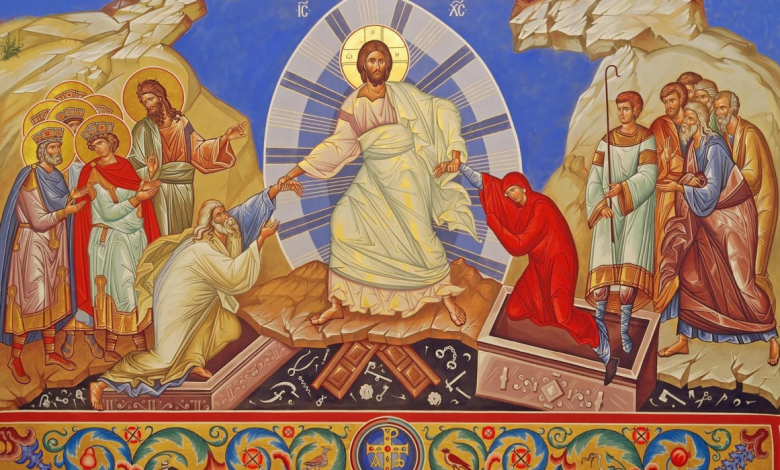
A fresh reading of Paul reveals a profound shift: the apostle transforms the concrete, moral Jesus of the Synoptic Gospels into a cosmic and interior reality. By blending word-frequency analysis with the meanings of Christos and Paul’s near-Gnostic metaphysics, this essay explores how the “Jesus event” became reinterpreted as a universal, communal mystery — far beyond its original first-century context.
A reflective essay on how Isaiah’s compassion, Jesus’ inner kingdom, and the Gnostic idea of the divine spark reveal a long evolution in humanity’s understanding of God — from fear of an external ruler to awareness of the divine within.