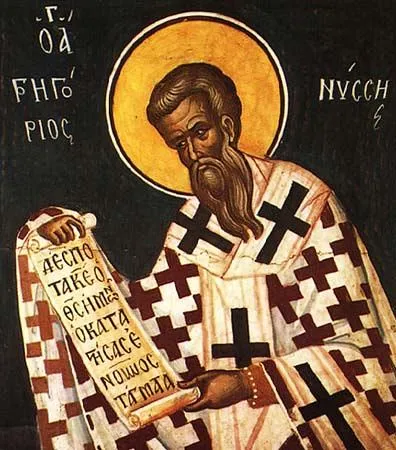
A close reading of the Nicene–Constantinopolitan Creed reveals how little of it reflects the actual teaching of Jesus. Instead, it draws heavily on Paul, John, and fourth-century metaphysics shaped by imperial needs. This article examines why Christianity drifted so far from Jesus’ ethical message and how doctrine replaced the original moral vision of the Gospels.

From Roland at Roncevaux to Arthur of Camelot and Jesus of Galilee, history repeatedly grows into heroic myth. Small facts expand into symbols, and real lives acquire legendary afterlives. This aside explores how the process unfolds — and why some figures become cosmic.
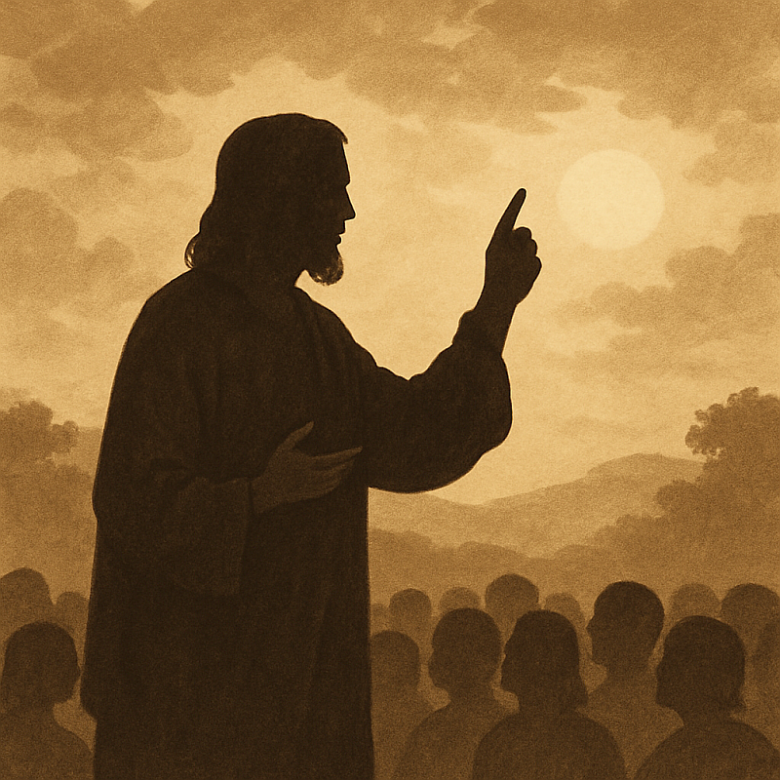
Jesus feels modern not because of theology, but because of his fearless moral clarity. Once we strip away the metaphysical layers, the radical teacher of the Synoptics emerges: a compassionate social philosopher who confronted wealth, hierarchy, exclusion, and fear. This article explores how the historical Jesus differs from the later “metaphysical Christ,” and why his vision still exposes the moral fault-lines of our own age.