
Prayer is often understood as asking for things, but in the Gospels it appears as something quite different. It is not a means of control, but a moment of release — a stepping back from the self and a return to what is real. In prayer, one lets go, sees more clearly, and, however briefly, is set in the right direction.

The Bible recognises that societies organised around wealth and power easily drift toward injustice. Yet it offers no political blueprint for a perfect society. Instead, it proposes a moral framework built on prophetic criticism of injustice, limits on the accumulation of wealth, and—most radically—an inner transformation of the human heart. The teaching of Jesus challenges not only unjust systems but the human desire for possession and status that sustains them.

A reflection on the psychological genius of the Gospel writers — not as supernatural scribes, but as master interpreters of Jewish symbolism and human interior life. This essay explores how living insight hardened into doctrine, how resurrection reshaped Christianity’s centre of gravity, and why the Gospels still endure as a call to inward transformation rather than metaphysical certainty.
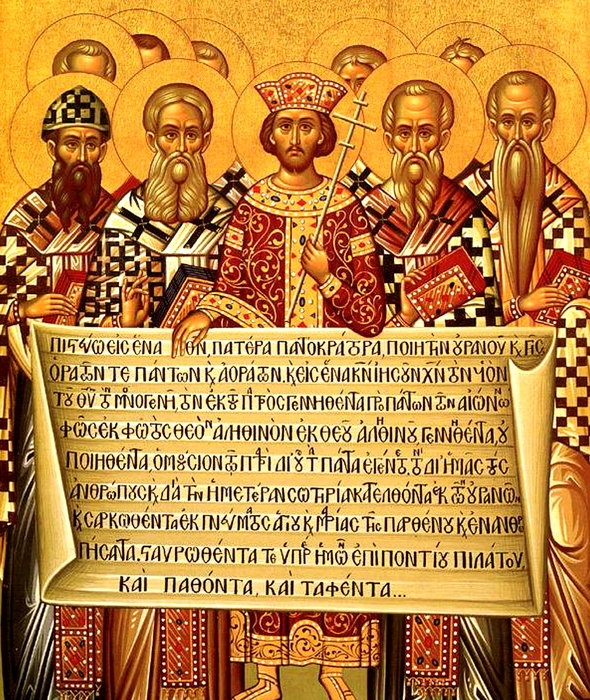
Christianity began as fluid storytelling, not as a system of rules. Yet within four centuries, oral traditions hardened into authoritative texts used to define doctrine, regulate behaviour, and support imperial power. This essay traces how the Gospels moved from living memories of Jesus to instruments of governance, shaping the Church and the civilisation built around it.
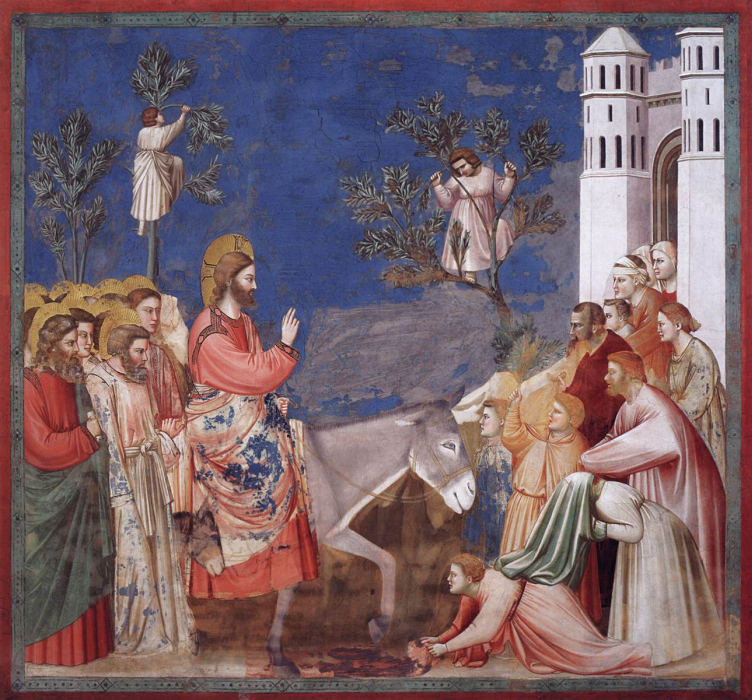
Jesus’ entry into Jerusalem on a donkey was not a triumph but a misfired symbol—an ironic gesture the crowds misunderstood and ultimately rejected. Beneath the Gospels’ later sanitising lies a teacher who defied the messianic expectations imposed on him, and whose authentic voice survives most clearly in his startling, poetic moral teaching.
Jesus teaches by embodied example and image; Paul recasts that ethic conceptually: “in Christ,” by the Spirit, for life together.
The Gospels distilled into ten principles of agápē—mercy, humility, forgiveness, generosity, and justice—beyond fear and superstition.