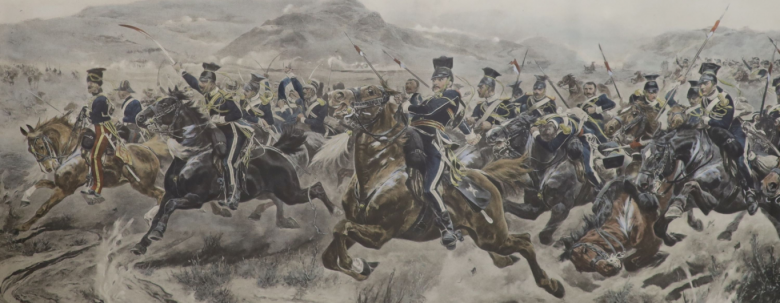
A historical reflection on how Christianity once shaped a unified Mediterranean world, how Islam transformed the East, and how centuries of tension reshaped Europe. The article argues for a renewed moral centre today—not doctrinal, but rooted in mutual respect and the ethical core of Jesus’ teaching.
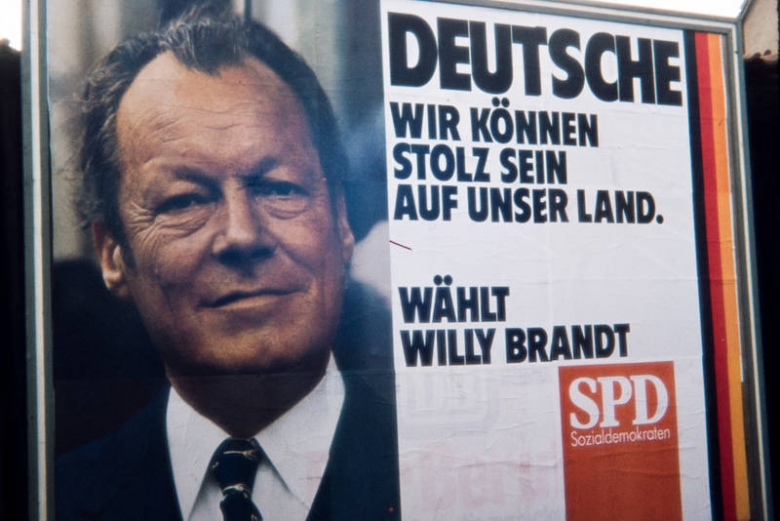
A personal and historical reflection on German education from Humboldt to the 1970s: the rigor of continual assessment, the dignity of the old Abitur, the rise of the Gesamtschule, and the slow erosion of standards in the late twentieth century. Seen through the eyes of an English teacher working in North Rhine-Westphalia, this article contrasts German seriousness with British drift and explores how a once-formidable system began to follow the comprehensive path already taken in the UK and the USA.
A historical and psychological journey through the making of biblical literalism — how faith that once saw Scripture as symbol and wisdom became bound to words on a page. This essay traces the shift from Origen and Augustine to American fundamentalism, revealing how the need for certainty replaced the quest for understanding.
For two thousand years, Western civilisation has lived within a sacred story — one that promised meaning, redemption, and divine justice. Yet as history and reason awaken us from this dream, we begin to see how religion, though born from human longing, became a tool of control as much as a source of hope. To wake is not to despise faith, but to see it clearly — and to begin the moral work of conscious responsibility.
The Great Pyramid still defies explanation. Orthodox accounts of ramps, chisels, and manpower are possible, but hardly convincing. Transporting granite from Aswan, aligning to near-perfect north, and placing millions of blocks with uncanny precision raise questions that demand imagination as well as evidence. The pyramids remain monuments of wonder — challenging us to balance fact and mystery.