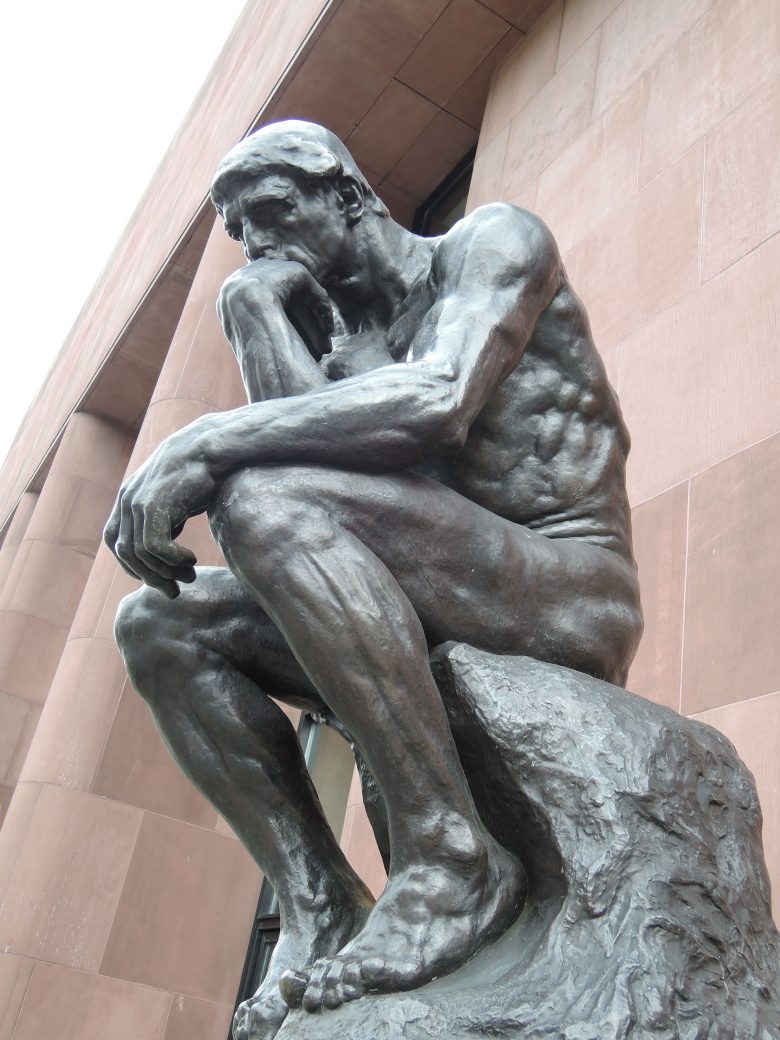
Religion can be understood not as literal cosmology but as a symbolic language through which humanity reflects on its own existence. From Feuerbach and Durkheim to modern psychology, religious ideas reveal how rational animals attempt to interpret consciousness, morality, and the mystery of being human. Seen this way, the emergence of reflective awareness is not a tragedy but one of the great gifts of evolution.
This essay explores a recurring tension at the heart of human spirituality: the difference between lived experience and the doctrines built upon it. Moments of beauty, awe, or insight can be deeply real and transformative, yet they become dangerous when reinterpreted as universal truths or moral imperatives. Drawing on Augustine, the Psalms, Quakerism, the hermit tradition, and Ecclesiastes, the discussion traces how inner experience is repeatedly hardened into authority—how insight becomes doctrine, and meaning becomes coercion. Against this, a quieter wisdom emerges: one that values attentiveness over certainty, presence over explanation, and humility over control. Rather than rejecting spirituality, the essay argues for holding it lightly—recognising that depth is real, but cannot be owned, enforced, or systematised without distortion. What endures is not belief, but the capacity to remain open, grounded, and human.