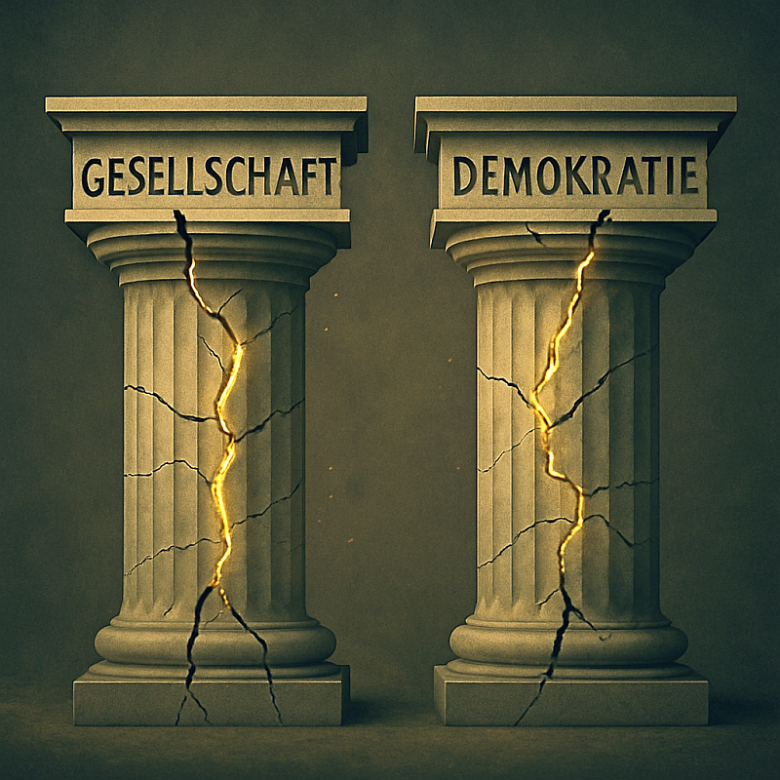
Public debate in Britain and Germany increasingly blames immigration for social and political strain. Yet most pressures—housing shortages, overstretched schools and hospitals, stagnant wages, declining neighbourhoods, and falling trust—began decades before recent migration waves. Immigration is not the cause of systemic weakness; it merely exposes it. This essay traces the deeper forces behind today’s instability: long-term underinvestment, the neoliberal shift since the 1980s, demographic ageing, bureaucratic rigidity, and the erosion of social cohesion. It also examines why parties like the AfD and Reform UK attract support—and why their rise reflects a democratic system struggling to correct itself.
An exploration of the moral and ecological misjudgements that have shaped modern Britain — from misplaced compassion and guilt to the exhaustion of land and wildlife — and a call to recover stewardship and restraint before it is too late.
Revelation’s “mark of the beast” warned of a future where no one could buy or sell without state approval. Orwell imagined the same logic in 1984. Today, proposals for digital ID cards echo both warnings. With National Insurance numbers already in place, the issue is not whether we are numbered, but how far that numbering can be used for control. From the Farage banking scandal to Starmer’s push for digital IDs, Britain faces a choice between efficiency and liberty.