
Prayer is often understood as asking for things, but in the Gospels it appears as something quite different. It is not a means of control, but a moment of release — a stepping back from the self and a return to what is real. In prayer, one lets go, sees more clearly, and, however briefly, is set in the right direction.

Crime and punishment are often treated as opposites: wrongdoing on the one hand, and the infliction of penalty on the other. Yet much of human conduct takes place under conditions of partial understanding. We act, judge, and react without seeing fully. If this is so, then the instinct to punish—to return harm for harm—rests on a confidence in our own clarity that may not be justified. The question is not whether wrongdoing occurs, but how we respond to it: whether we perpetuate the cycle, or bring it quietly to an end.

The Bible recognises that societies organised around wealth and power easily drift toward injustice. Yet it offers no political blueprint for a perfect society. Instead, it proposes a moral framework built on prophetic criticism of injustice, limits on the accumulation of wealth, and—most radically—an inner transformation of the human heart. The teaching of Jesus challenges not only unjust systems but the human desire for possession and status that sustains them.
Society exists to establish order, not fulfilment. Social constraint makes collective life possible, but it does not recognise the autonomy or particularity of the individual. This essay explores the tension between survival instinct and human meaning, arguing that conflict arises not from moral failure but from scarcity, fear, and the limits of social design. Between raw survival and moral idealism lies the harder task of living truthfully within constraint, without illusions of purity, rebellion, or final harmony.
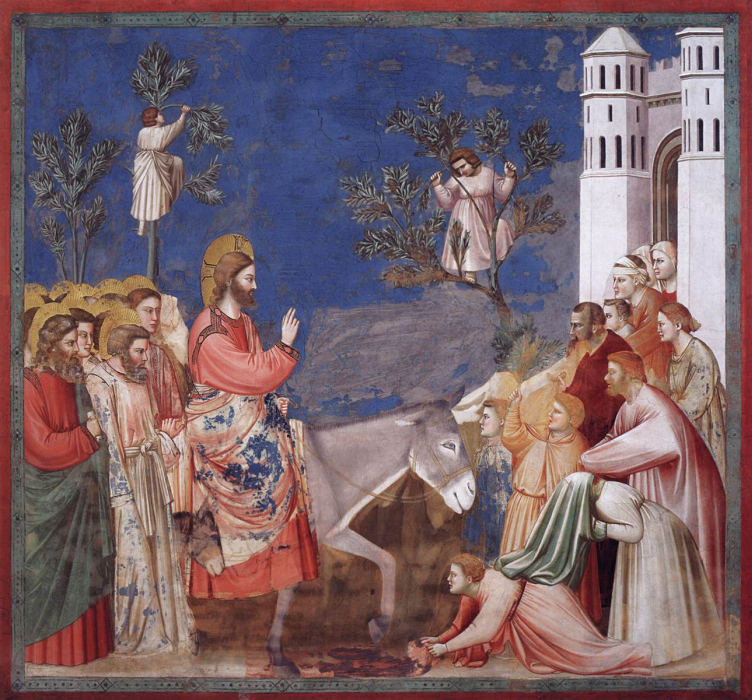
Jesus’ entry into Jerusalem on a donkey was not a triumph but a misfired symbol—an ironic gesture the crowds misunderstood and ultimately rejected. Beneath the Gospels’ later sanitising lies a teacher who defied the messianic expectations imposed on him, and whose authentic voice survives most clearly in his startling, poetic moral teaching.

The census under Caesar Augustus formed the political backdrop to Jesus’ birth, revealing a world shaped by imperial power, taxation, and the struggle for identity under Rome. This essay explores how empire, religion, and human hope intersected in first-century Judea — and why the story still speaks to our own age of control and uncertainty.
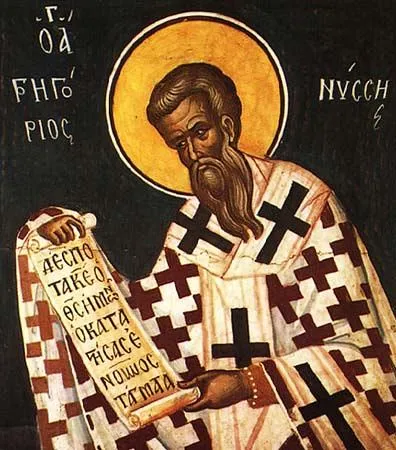
Eine Analyse des Nizänischen Glaubensbekenntnisses und seiner Quellen zeigt eine deutliche Diskrepanz zwischen der historischen Lehre Jesu und der späteren christlichen Dogmatik. Der Text verfolgt, wie sich das Credo aus den Schriften des Paulus, des Johannesevangeliums und den theologischen Streitigkeiten des 4. Jahrhunderts entwickelte — und wie dadurch die ursprüngliche ethische Botschaft Jesu in den Hintergrund trat. Ein Plädoyer dafür, die moralische Vorstellungskraft des historischen Jesus neu zu entdecken.
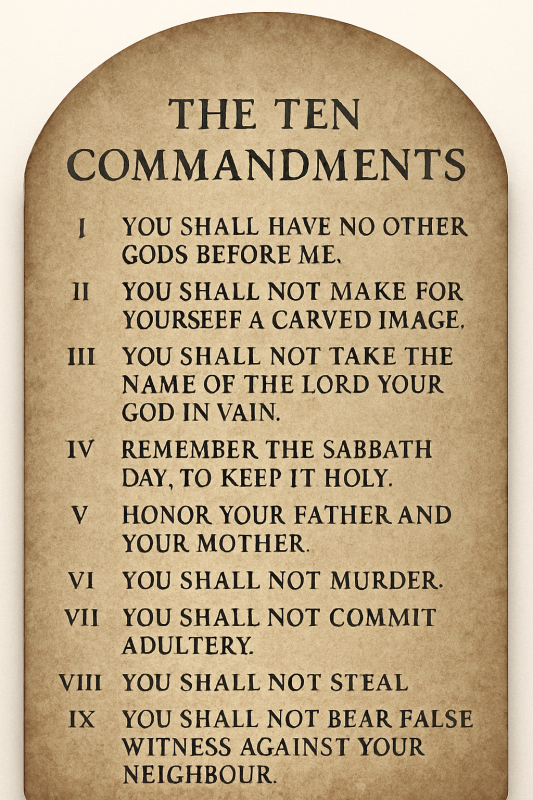
Eine Reflexion über Europas moralische Krise und die Möglichkeit einer pluralen Erneuerung, die psychologische Einsichten, religiöse Traditionen und die ethische Klarheit Jesu verbindet — ohne Dogma, aber mit schöpferischer Verantwortung als gemeinsamer Leitlinie.
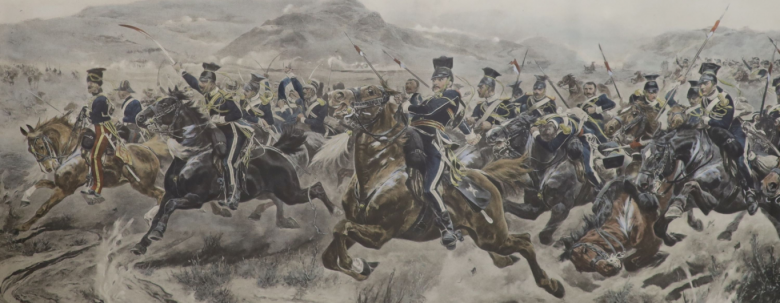
A historical reflection on how Christianity once shaped a unified Mediterranean world, how Islam transformed the East, and how centuries of tension reshaped Europe. The article argues for a renewed moral centre today—not doctrinal, but rooted in mutual respect and the ethical core of Jesus’ teaching.
A reflection on how Europe might rediscover a shared moral centre without enforcing religious uniformity. Using Jesus’ ethic as one integrative voice among many, this piece explores innate moral capacities, cultural modelling, and the creative–destructive axis at the heart of human behaviour. Includes scientific notes and two asides on moral development and plural ethics.