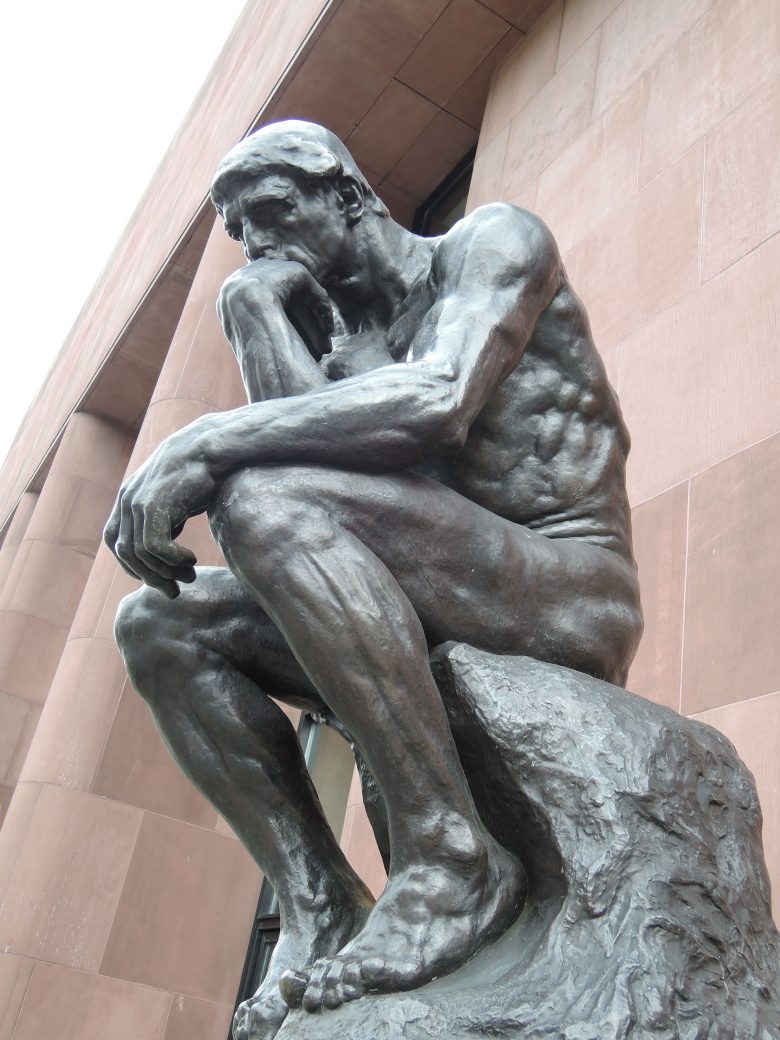
Religion can be understood not as literal cosmology but as a symbolic language through which humanity reflects on its own existence. From Feuerbach and Durkheim to modern psychology, religious ideas reveal how rational animals attempt to interpret consciousness, morality, and the mystery of being human. Seen this way, the emergence of reflective awareness is not a tragedy but one of the great gifts of evolution.

A Church that once shaped conscience now manages assets. As belief thins and process replaces meaning, the Church of England drifts toward becoming a heritage-backed investment body with a spiritual veneer. The Synod debates feel urgent, but the deeper story is structural: faith evaporates faster than property rights. What remains is an institution preserved by land and capital, while Christianity itself quietly returns to where it began — individual conscience.

This article traces how the resurrection tradition evolved from Paul’s visionary experiences into the richly embellished narratives of the Gospels and Acts—and how this shift transformed Christianity from Jesus’ present-centred ethic into a religion of afterlife, obedience, and institutional power. By examining how “Christ” and resurrection became Christianity’s twin stars, it shows how orthodoxy displaced the simple, existential message of Jesus with a metaphysical system built around death, reward, and control.