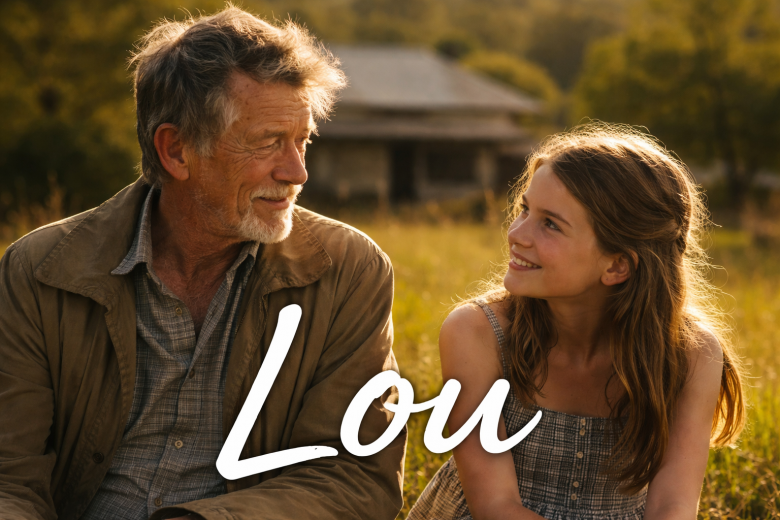
Living in rural New South Wales, working-class single mother Rhia is struggling to evade debt collectors and raise three young daughters.
Society exists to establish order, not fulfilment. Social constraint makes collective life possible, but it does not recognise the autonomy or particularity of the individual. This essay explores the tension between survival instinct and human meaning, arguing that conflict arises not from moral failure but from scarcity, fear, and the limits of social design. Between raw survival and moral idealism lies the harder task of living truthfully within constraint, without illusions of purity, rebellion, or final harmony.
Meditation is not an escape from life, nor a technique for manufacturing insight, but a way of learning when consciousness can safely let go. Human beings live through rhythms of attention, rest, and drift, and change unfolds over time rather than through heroic effort. What sustains a life is not constant awareness, but the capacity to return—again and again—to meaning, structure, and relation as life moves on.

A reflection on the real meaning of enlightenment — not as mystical experience, but as the quiet reconciliation between our deeper vital dynamics and the surface structure of everyday life. The heart, the conscience, and the unconscious guide us long before reason recognises their pattern.

A poem and reflection on nature, solitude, and le fer dans l’âme — the iron in the soul. A meditation on how lives unfold without hierarchy, and how presence allows us to carry our inner weight with dignity.
From Chomsky’s early search for rules to today’s learning machines, this essay traces how linguistics tried — and failed — to explain meaning through structure. The story leads from semantic markers to Large Language Models, showing how the statistical approach once dismissed as mechanical has achieved a sophistication that mirrors the very act of writing itself.
For centuries, religion has offered meaning and comfort, but also control. Today many still hunger for faith, yet find the old stories impossible to believe. This short reflection asks whether we can keep what was best in religion — compassion, courage, and care — without pretending to accept what no longer persuades reason. It argues that meaning, not miracle, must become the new ground of faith.
Jean-Paul Sartre (1905–1980) turned the collapse of religious certainty into a demand for moral self-authorship. This essay sketches his life, clarifies his philosophy (“existence precedes essence”), traces the steps by which he reached his insights—from bleak fiction to public ethics—and considers possible misunderstandings that remain. It concludes with a sober appraisal: we need not act from anxiety or ideology; real action springs from the will to live.
Religion and metaphysics are not revelations from beyond but the stories we tell ourselves to soften the facts of mortality and failure. The diversity of human behaviour arises from the shifting interplay between genes and experience — a balance science can describe but not yet measure. Even in an age of reason, we continue to weave meaning into suffering because we cannot bear the thought that there may be none.
From Daimons to Nothingness traces the human search for consciousness across three horizons — mythic, scientific, and existential. From Patrick Harpur’s daimonic imagination to the neuroscience of the brain and Sartre’s void within being, it explores how awareness bridges reality and illusion, hope and finality, ending in a lucid acceptance of our brief, luminous existence between two darknesses we call life.