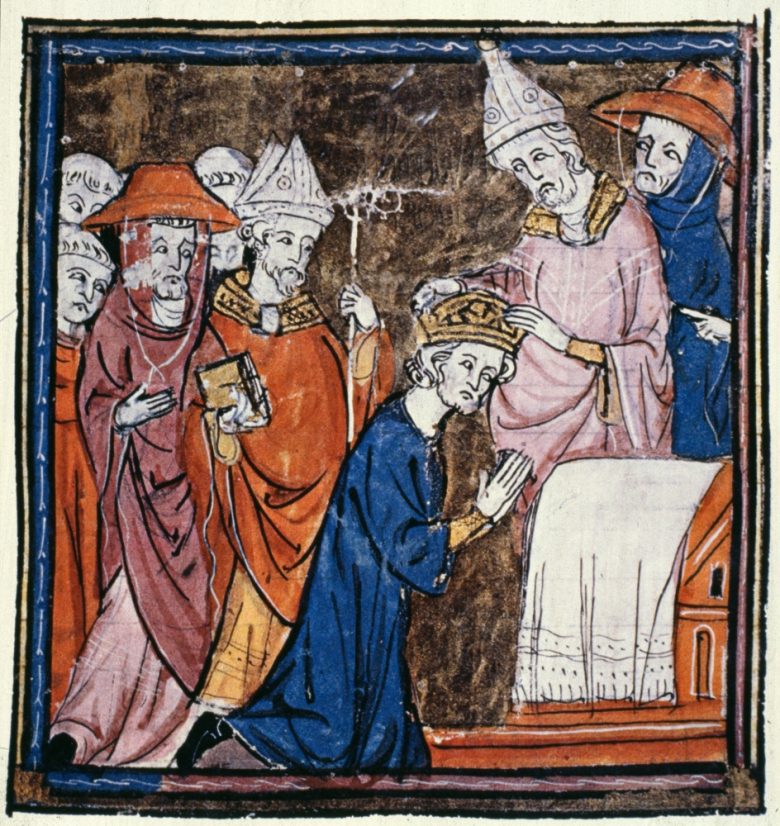
Christianity did not conquer Europe with armies. After the fall of Rome, it spread through networks of meaning: missionaries, monasteries, literacy, ritual, and moral authority. This essay explores how an empire of legions was replaced by an empire of symbols — and why that form of power proved more durable.
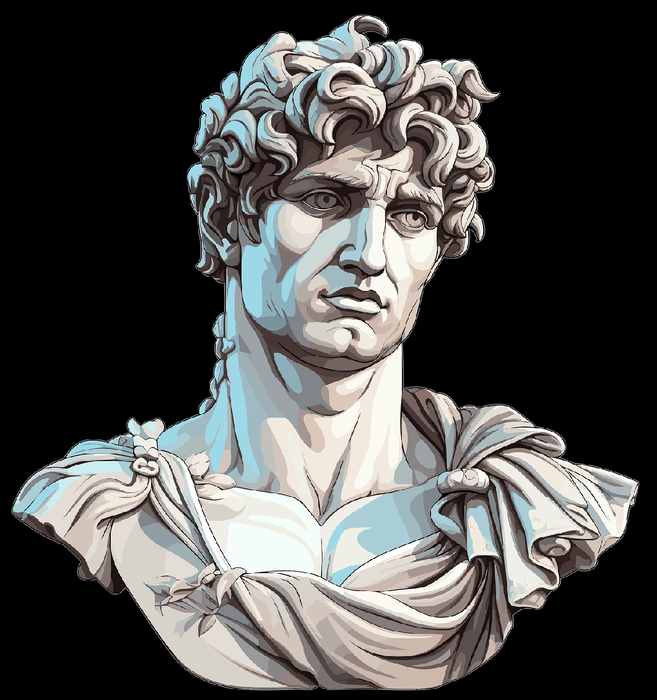
Europe tells itself that Rome fell in 476 CE, but the structures of the empire never disappeared. They migrated into the Church, into medieval kingship, into the nation-state, and finally into the European Union. Law, hierarchy, bureaucracy, and moral order — the governing mind of Rome — still shape the continent. Europe is not post-Roman; it is Rome in modern dress.
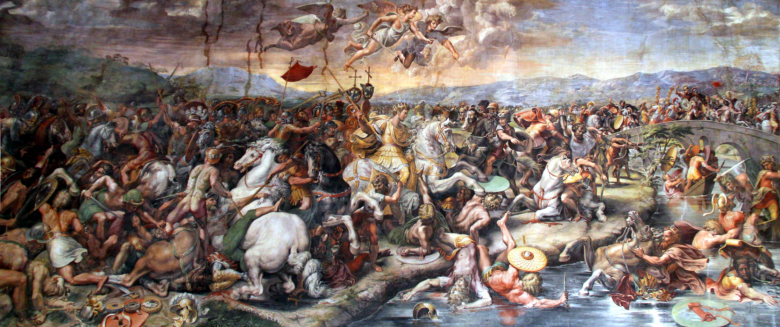
A single political decision in the fourth century reshaped the entire moral imagination of the West. Constantine did not adopt Christianity because it was true, but because it was useful — a ready-made network of obedience, discipline, and social cohesion. What followed was not the fall of Rome but its transformation into a moral empire governed by conscience instead of armies. This article traces how that fusion of power and faith still shapes modern Europe, from institutional authority to the rise of today’s moral culture.