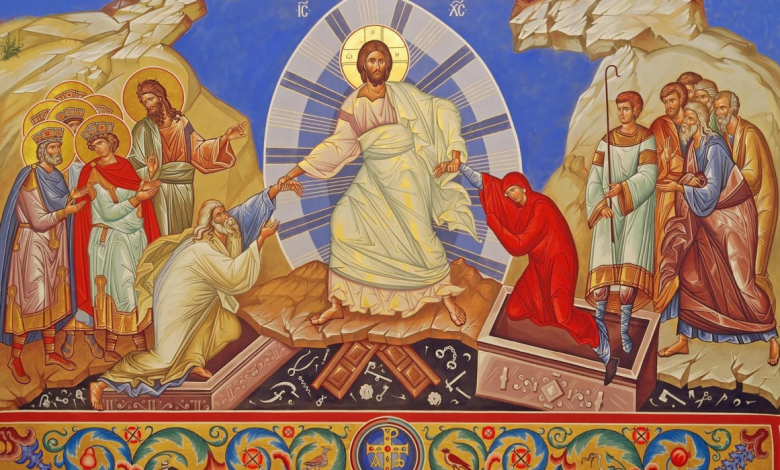
A fresh reading of Paul reveals a profound shift: the apostle transforms the concrete, moral Jesus of the Synoptic Gospels into a cosmic and interior reality. By blending word-frequency analysis with the meanings of Christos and Paul’s near-Gnostic metaphysics, this essay explores how the “Jesus event” became reinterpreted as a universal, communal mystery — far beyond its original first-century context.
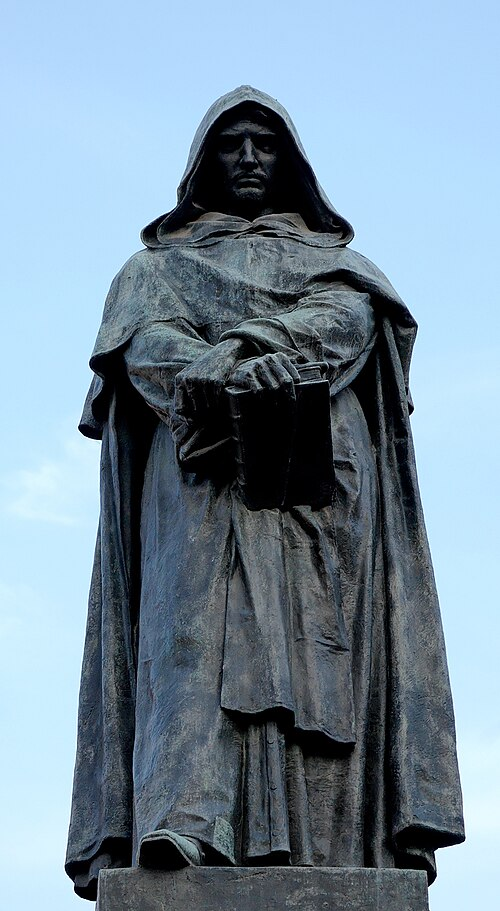
Giordano Bruno saw, more than 500 years ago, that human beings project their inner life onto the cosmos. His “infinite universe” was not astronomy but a vision of the human psyche speaking through myth — a truth that echoes across my own work. In an age that has lost its spiritual depth, Bruno’s voice returns with renewed urgency.
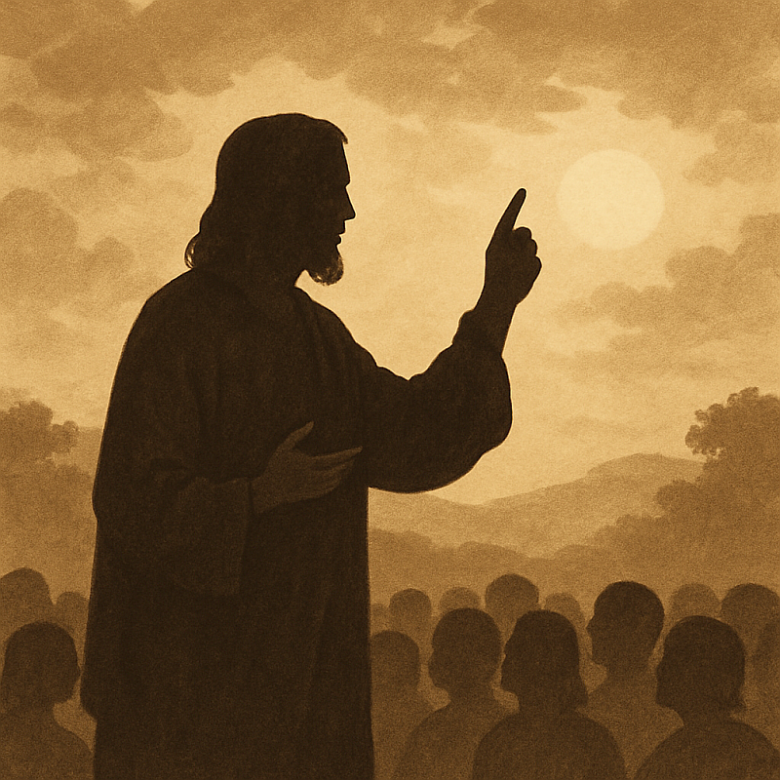
Jesus feels modern not because of theology, but because of his fearless moral clarity. Once we strip away the metaphysical layers, the radical teacher of the Synoptics emerges: a compassionate social philosopher who confronted wealth, hierarchy, exclusion, and fear. This article explores how the historical Jesus differs from the later “metaphysical Christ,” and why his vision still exposes the moral fault-lines of our own age.
From Daimons to Nothingness traces the human search for consciousness across three horizons — mythic, scientific, and existential. From Patrick Harpur’s daimonic imagination to the neuroscience of the brain and Sartre’s void within being, it explores how awareness bridges reality and illusion, hope and finality, ending in a lucid acceptance of our brief, luminous existence between two darknesses we call life.