
A historical reflection on how Christianity once shaped a unified Mediterranean world, how Islam transformed the East, and how centuries of tension reshaped Europe. The article argues for a renewed moral centre today—not doctrinal, but rooted in mutual respect and the ethical core of Jesus’ teaching.
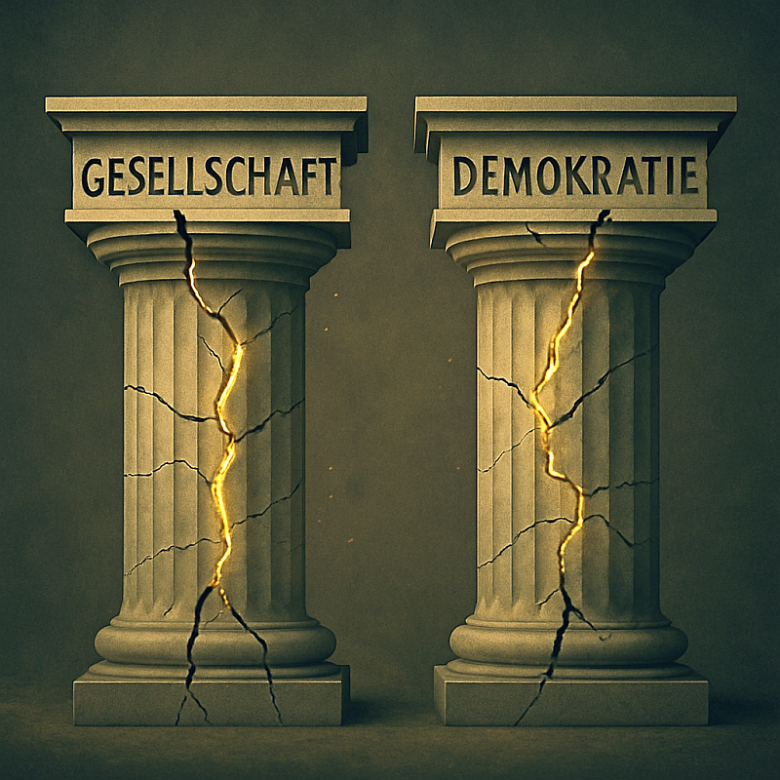
Ein wachsender Teil der Bevölkerung in Deutschland und Großbritannien macht Migration für soziale und politische Spannungen verantwortlich. Doch bei näherem Hinsehen zeigt sich: Die meisten Probleme – Wohnungsnot, überlastete Schulen, lange Wartezeiten, stagnierende Löhne, bröckelnde Nachbarschaften – entstanden lange vor größeren Zuwanderungswellen. Migration verstärkt sie nur. Der eigentliche Kern der Krise liegt in jahrzehntelanger Unterinvestition, neoliberaler Politik seit den 1980er Jahren, der Erosion sozialer Infrastruktur und eines schwindenden Vertrauens in die Demokratie. Die AfD wird dadurch sowohl zum Symptom als auch zum Problem eines Systems, das weder Korrektur noch offene Diskussion zulässt.

A sharp analysis of Gerald Grosz’s recent speech accusing Germany’s leaders of manufacturing fear to distract from domestic failures. This summary examines the speech’s claims, rhetorical strategies, emotional appeal, and weaknesses, showing how populist performances galvanise disillusioned voters while offering little balanced analysis. It explores why such messages resonate in today’s climate of distrust and political fragmentation.
Alice Weidel’s Bundestag speech accusing the German government of fiscal and moral decay echoes far beyond Berlin. Many of her criticisms — debt, industrial decline, migration pressures, and the erosion of trust in political institutions — could be voiced just as easily in Westminster. This essay compares Germany and Britain in 2025, examining economic data and broader cultural parallels to show how both nations face a crisis of confidence born from deindustrialisation, bureaucratic expansion, and public alienation. The decline she described in Berlin, as echoed by voices like Richard Tice and Nigel Farage in the UK, reflects a shared European malaise.