
In an age of acceleration, it is easy to feel overwhelmed by civilisational fragility and ecological strain. Yet the decisive question may not be whether history declines, but whether individuals maintain their orientation toward reverence and responsibility. Even small acts of care — leaving a place better than we found it — become expressions of fidelity in a high-energy world.
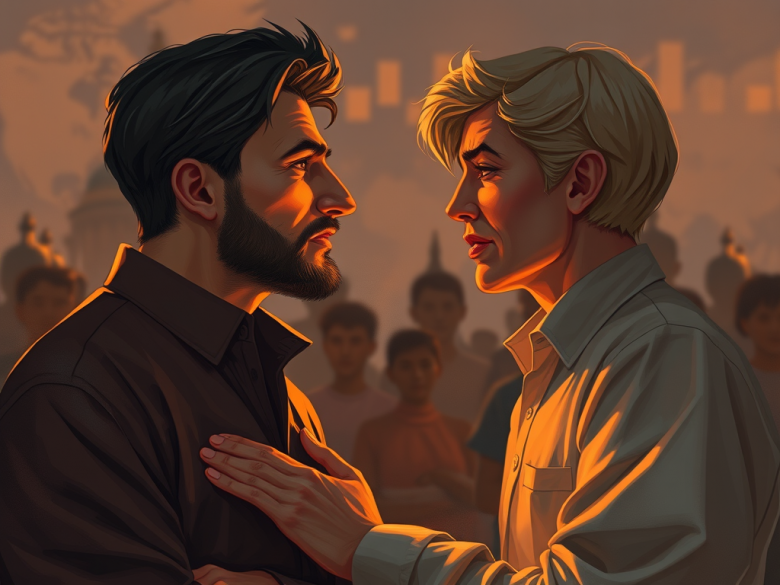
A reflection on Romantic idealism, modern technocracy, and the enduring belief that systems which cause harm can somehow repair themselves. From Shelley and Keats to contemporary cybernetic faith, this essay traces a continuous thread: the hope that optimisation can replace moral reckoning — and why that hope repeatedly fails.
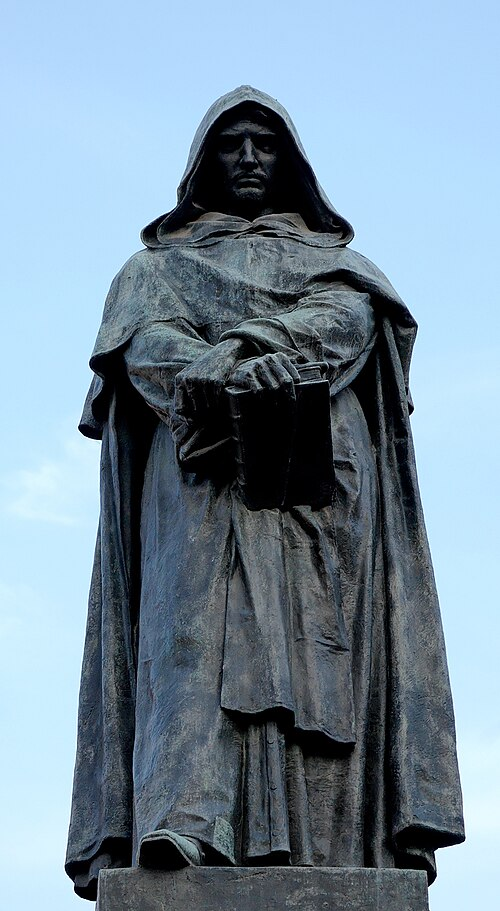
Giordano Bruno saw, more than 500 years ago, that human beings project their inner life onto the cosmos. His “infinite universe” was not astronomy but a vision of the human psyche speaking through myth — a truth that echoes across my own work. In an age that has lost its spiritual depth, Bruno’s voice returns with renewed urgency.
John Betjeman’s Summoned by Bells is more than an autobiography in verse — it is a meditation on beauty, memory, and faith at the twilight of English modernity. Beneath its gentle rhythms lies a profound moral vision: that sound, place, and craftsmanship can still unite a fractured nation. Betjeman’s England is not nostalgic fantasy but a living cathedral of meaning, where stone and song meet the sacred.
A study of Waugh’s estrangement, his critique of modernity, and his uneasy kinship with Orwell — two men who saw the decay of English order from opposite moral poles.
For three centuries France and Britain have rebelled against religious authority, from Voltaire’s écrasez l’infâme to Nietzsche’s death of God and the modern satire of Private Eye and Le Canard enchaîné. Yet rebellion, once a weapon of liberation, has hardened into reflex. The challenge today is not to keep mocking but to recover conviction—before the state learns to silence even our laughter.