
Crime and punishment are often treated as opposites: wrongdoing on the one hand, and the infliction of penalty on the other. Yet much of human conduct takes place under conditions of partial understanding. We act, judge, and react without seeing fully. If this is so, then the instinct to punish—to return harm for harm—rests on a confidence in our own clarity that may not be justified. The question is not whether wrongdoing occurs, but how we respond to it: whether we perpetuate the cycle, or bring it quietly to an end.

What happens when inward moral responsibility collapses and is replaced by external control? Tracing a line from Adam and Eve through Christianity, Imodern bureaucracy, and AI surveillance, this reflection explores how belief systems shape moral psychology — and how extremism emerges when conscience gives way to compliance. Individuation, once a personal journey, now appears as a civilisational safeguard.

If the Christian age is drawing to a close, it is not leaving behind a moral vacuum. What follows Christendom is not disbelief, but a transformed moral consciousness — one that has lost its theological centre yet retains its habits of judgement, concern, and aspiration. This essay explores what comes after moral empire, and whether understanding can replace authority as the animating spirit of the post-Christian world.

Western society has not moved beyond Christian morality so much as absorbed it. Belief has thinned, institutions have weakened, yet moral urgency remains — often sharpened rather than softened. This essay explores how Christendom gave way not to moral neutrality, but to a secular moralism that retains Christian habits of judgement without its metaphysical grounding or its ethic of grace.

Paul is often read as a theologian of sin, salvation, and cosmic order. Read instead as a moral psychologist and community ethicist, a different Paul emerges: perceptive about fear, ego, judgement, and love. This essay argues that his most enduring insights lie not in cosmology, but in his understanding of how fragile human communities survive — or fail.

Christianity reshaped Europe not by replacing Rome’s legions but by moving moral discipline inward. When the Western Empire collapsed, the Church stepped into the vacuum with a new kind of authority — one rooted in conscience, guilt, and self-surveillance. The West has lived inside this psychological framework ever since, from medieval confession to modern moral panics.
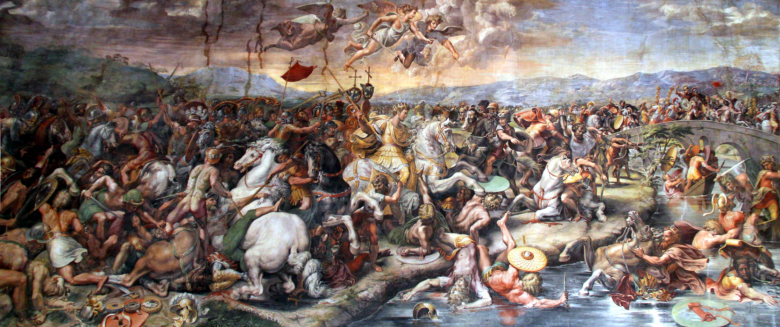
A single political decision in the fourth century reshaped the entire moral imagination of the West. Constantine did not adopt Christianity because it was true, but because it was useful — a ready-made network of obedience, discipline, and social cohesion. What followed was not the fall of Rome but its transformation into a moral empire governed by conscience instead of armies. This article traces how that fusion of power and faith still shapes modern Europe, from institutional authority to the rise of today’s moral culture.

Anger is not a moral failure but a diagnostic signal — an instinct that something has gone wrong. What matters is how we interpret it. Jesus’ cleansing of the Temple shows the mature pattern: anger as awareness, wisdom as response. True discipline, in life and the classroom, restores order without harm.