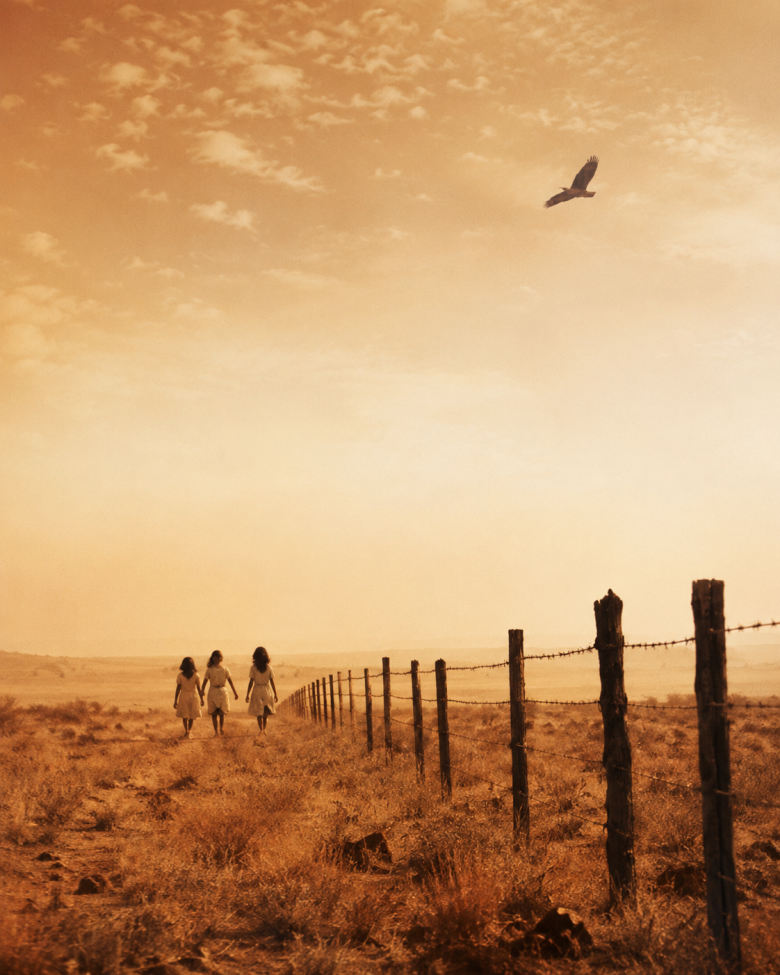
The exhibition became more than an encounter with Aboriginal art. It prompted a reflection on land, possession, mortality and the brief intensity of human existence beneath forces we neither own nor command. Sol Invictus—the unconquered sun—became the image of that vast order: indifferent to fences, empires and claims of permanence, yet illuminating the fleeting instant in which life acquires meaning.
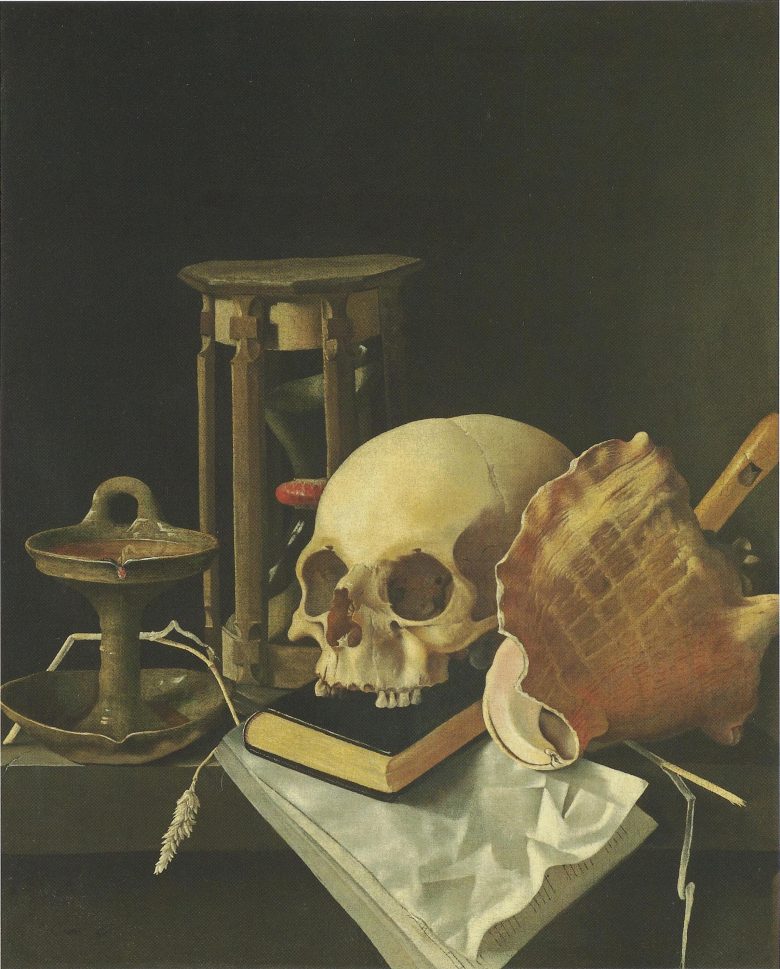
A reflection on euphemism, bodily embarrassment and spiritual idealism. Beginning with the way blunt words shock us, the essay moves through Shelley’s image of “the white radiance of Eternity” to ask whether religion and idealist philosophy are, in part, humanity’s most beautiful evasion of the body, decay and death.
Descartes’ famous “I think, therefore I am” opens onto a deeper human problem: we know that we are alive, and therefore we know that we shall die. Religion, resurrection, reincarnation, and judgement are all attempts to answer the wound of self-conscious mortality. But perhaps the most honest conclusion is that the self is unfinished — and that we may only come this way once.
A good life may be measured by the old rule of the picnic spot: leave the place better than you found it. If the individual mind ends with the living organism, then dignity lies not in survival after death, but in the care, truth, restraint, and generosity we leave behind.
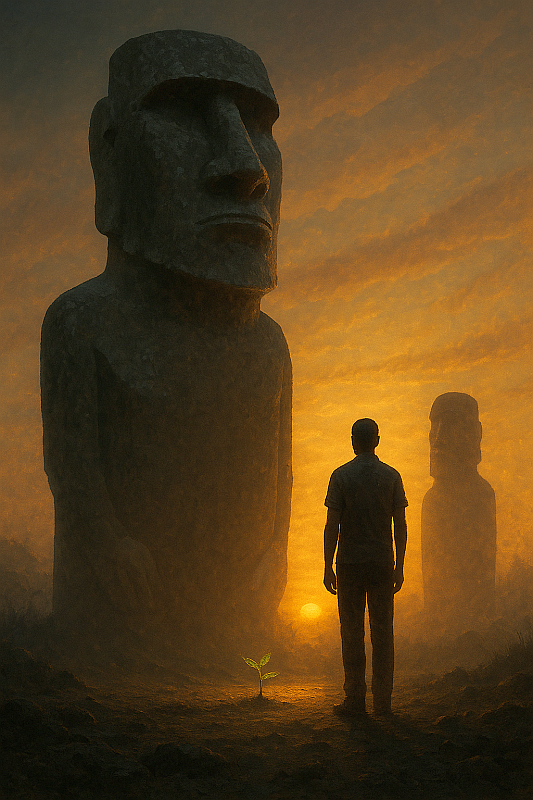
A sweeping reflection on humanity’s struggle to reconcile instinct and intellect, from the ancient gods of Mesopotamia to the teachings of Jesus. This essay argues that true transcendence lies not in power but in inner integration, and that mortality presses us toward completion. Through myth, psychology, memory, and personal experience, it shows that the only moment for wholeness is now.