
How did a Jewish teacher executed around 30 CE become, within a few centuries, the centre of an elaborate theology defining him as fully divine? This article follows the development from Paul and the Gospels through Marcion, Irenaeus, Arius, Athanasius, Constantine and the great councils of the fourth and fifth centuries.

Christianity began as a Jewish messianic movement, not as the fully developed religion later enforced by Rome. This article traces how Jesus, the hoped-for deliverer of Israel, was transformed through resurrection belief, Pauline theology, Greek philosophy and imperial authority into the universal saviour of Christian orthodoxy.
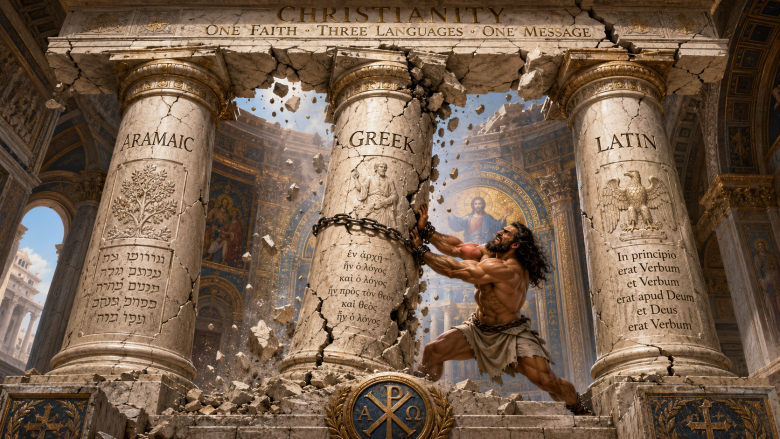
Christianity did not emerge fully formed from the teaching of Jesus. It developed through three linguistic and intellectual worlds: Aramaic preserved its Jewish origins, Greek transformed the remembered teacher into a universal theological figure, and Latin organised the faith through doctrine, law and institutional authority.
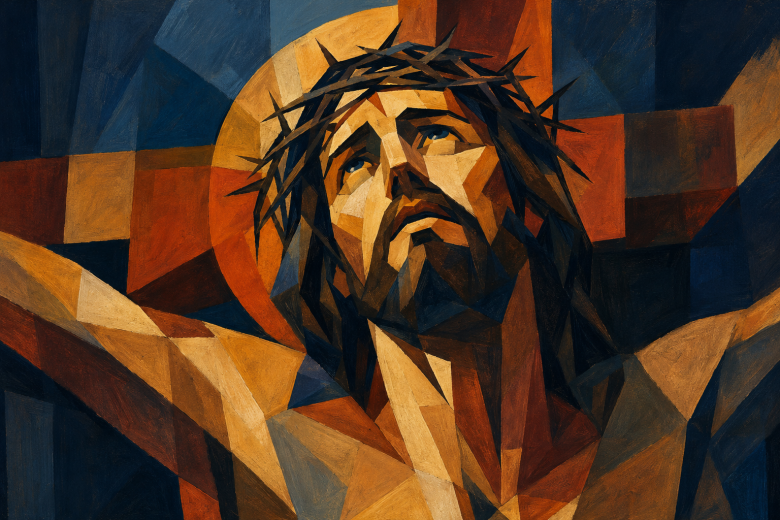
Christianity emerged from Jewish apocalyptic thought, transformed the execution of a Galilean preacher into a universal drama of sacrifice and salvation, and eventually became the intellectual framework of Europe. This article traces that development from Enoch and Qumran to Paul, orthodoxy and the “mind-forg’d manacles” left behind.
An argument that God is not best understood as an external commander, but as the inward source of moral recognition: the strength by which we see the good, stand by it, and give it outward form in law, art, worship, and responsible action. Drawing on Jesus, Paul, Shakespeare, Wilfred Owen, and the failure of external religion, the article reflects on truth, conscience, self-command, and the need to recover the spiritual key to Western moral life.

Paul is often read as a theologian of sin, salvation, and cosmic order. Read instead as a moral psychologist and community ethicist, a different Paul emerges: perceptive about fear, ego, judgement, and love. This essay argues that his most enduring insights lie not in cosmology, but in his understanding of how fragile human communities survive — or fail.
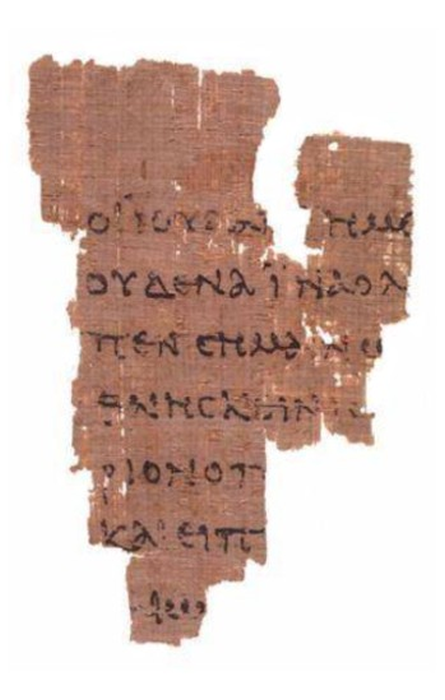
Behind the vast theological edifice of later Christianity lies a very different figure: a Galilean teacher whose sayings in the Synoptic Gospels preserve a startling moral clarity largely absent from the metaphysical Jesus of John and the cosmic Christ of Paul. Recovering the historical Jesus requires peeling away these later layers and listening again for the radical ethical voice that once challenged his hearers to transform the inner life rather than speculate on the nature of the universe.
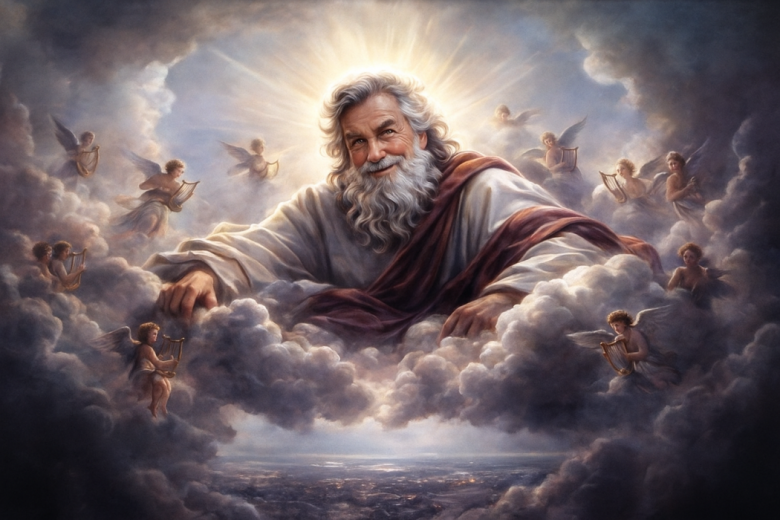
A critical yet sympathetic exploration of the Bible as a multi-voiced historical library, from Covenant and exile to Jesus and Paul, Constantine, and modern secular collapse — concluding that Scripture still offers profound value when read metaphorically as a mirror of the human psyche rather than a literal divine manual.
Jesus the Teacher and Paul’s Vision of the Transformed Self Jesus and Paul are often set against one another — the teacher of the Kingdom on one side, the apostle of the risen Christ on the other. Yet at heart they were saying the same thing. Jesus spoke of the Kingdom of God within; Paul …