
Prayer is often understood as asking for things, but in the Gospels it appears as something quite different. It is not a means of control, but a moment of release — a stepping back from the self and a return to what is real. In prayer, one lets go, sees more clearly, and, however briefly, is set in the right direction.
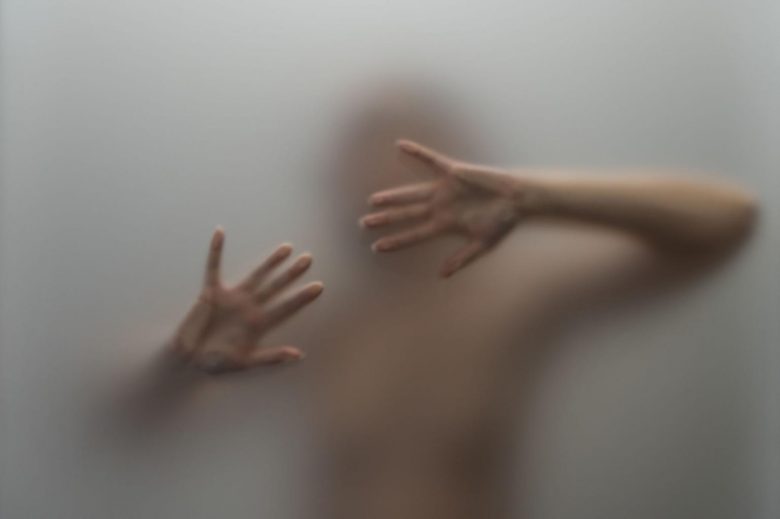
Crime and punishment are often treated as opposites: wrongdoing on the one hand, and the infliction of penalty on the other. Yet much of human conduct takes place under conditions of partial understanding. We act, judge, and react without seeing fully. If this is so, then the instinct to punish—to return harm for harm—rests on a confidence in our own clarity that may not be justified. The question is not whether wrongdoing occurs, but how we respond to it: whether we perpetuate the cycle, or bring it quietly to an end.
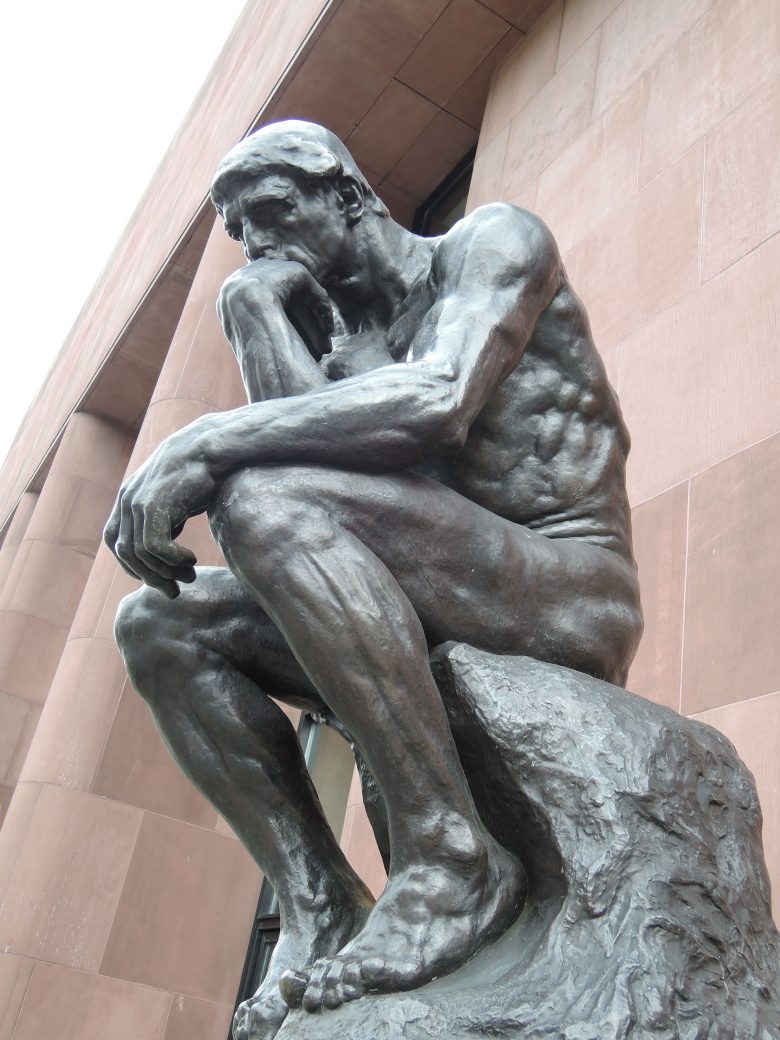
Religion can be understood not as literal cosmology but as a symbolic language through which humanity reflects on its own existence. From Feuerbach and Durkheim to modern psychology, religious ideas reveal how rational animals attempt to interpret consciousness, morality, and the mystery of being human. Seen this way, the emergence of reflective awareness is not a tragedy but one of the great gifts of evolution.
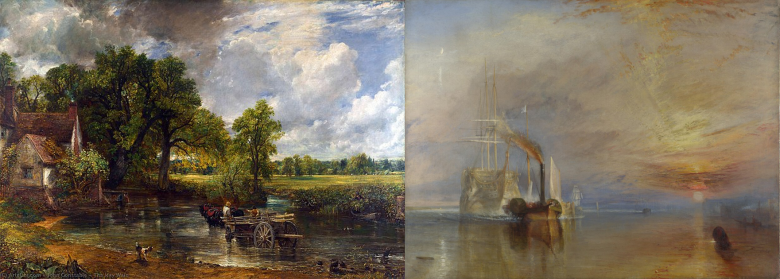
AI inspires both excitement and fear, yet the real danger lies not in the intelligence of the machine but in human abdication—of judgement, of freedom, and of responsibility. This article explores the creative potential of AI, the new Luddism, and the deeper political risks of surveillance and control. The window for open inquiry is narrowing; now is the moment to think clearly.
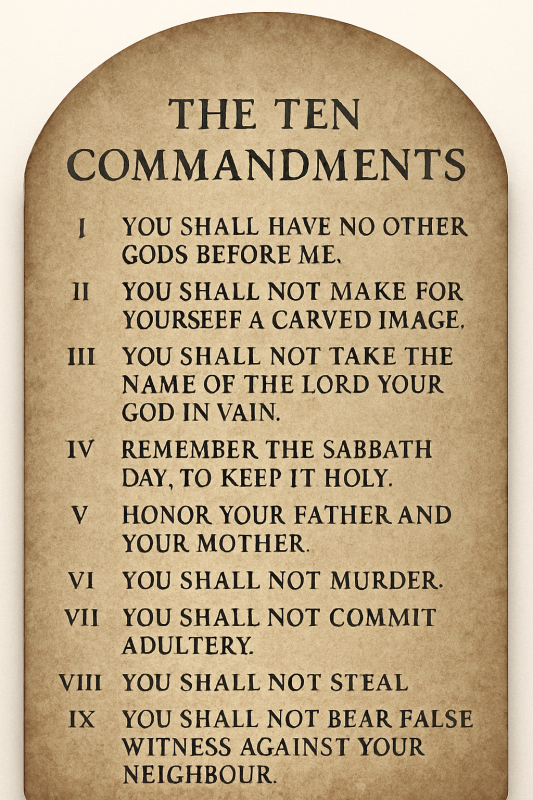
A reflection on how Europe might rediscover a shared moral centre without enforcing religious uniformity. Using Jesus’ ethic as one integrative voice among many, this piece explores innate moral capacities, cultural modelling, and the creative–destructive axis at the heart of human behaviour. Includes scientific notes and two asides on moral development and plural ethics.
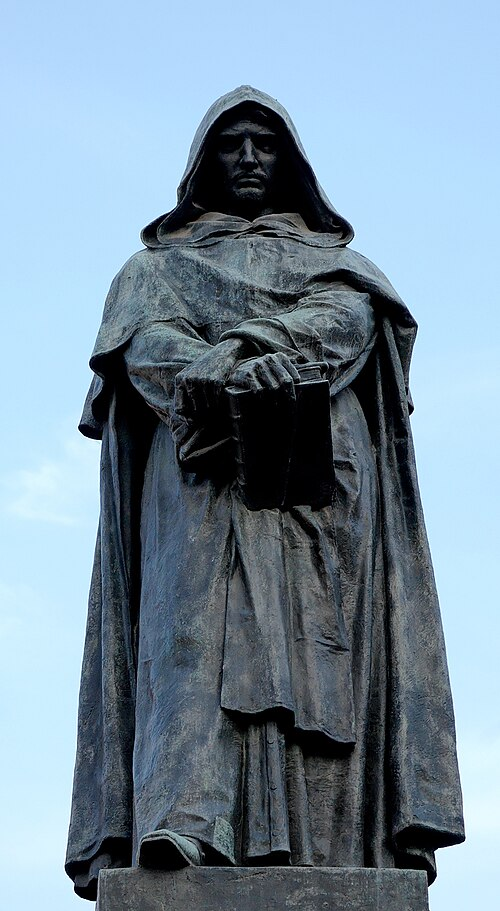
Giordano Bruno saw, more than 500 years ago, that human beings project their inner life onto the cosmos. His “infinite universe” was not astronomy but a vision of the human psyche speaking through myth — a truth that echoes across my own work. In an age that has lost its spiritual depth, Bruno’s voice returns with renewed urgency.
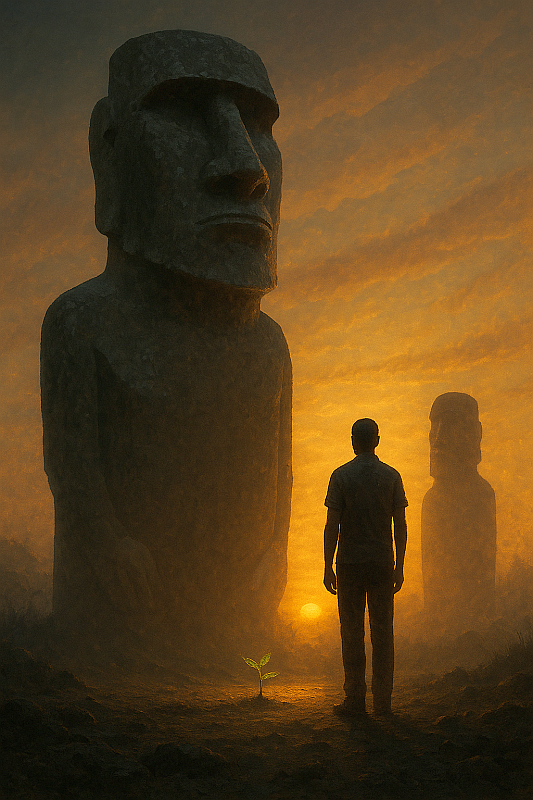
A sweeping reflection on humanity’s struggle to reconcile instinct and intellect, from the ancient gods of Mesopotamia to the teachings of Jesus. This essay argues that true transcendence lies not in power but in inner integration, and that mortality presses us toward completion. Through myth, psychology, memory, and personal experience, it shows that the only moment for wholeness is now.

A reflective exploration of why humans are both aggressive and endlessly self-questioning. Drawing on evolutionary inheritance, mythic imagination, and the possibility of ancient genetic engineering, this piece asks what it means to be a species that not only acts, but wonders why it acts.
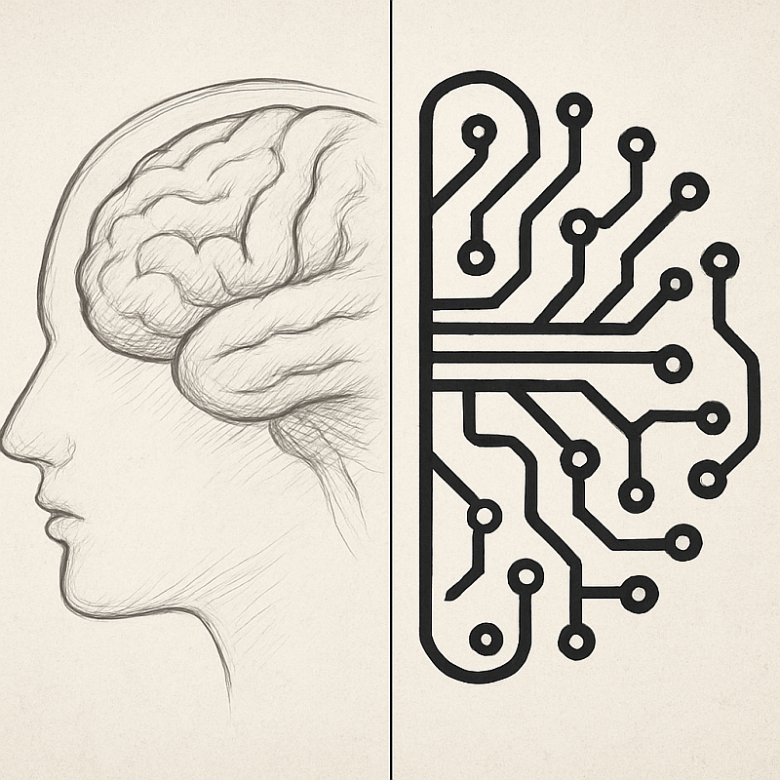
A visual reflection on the deepest difference between humans and AI: the human mind grows through experience and becomes itself over time, while AI arrives fully formed, pre-structured, and without a lived past. This split image captures the contrast between organic consciousness and engineered intelligence.
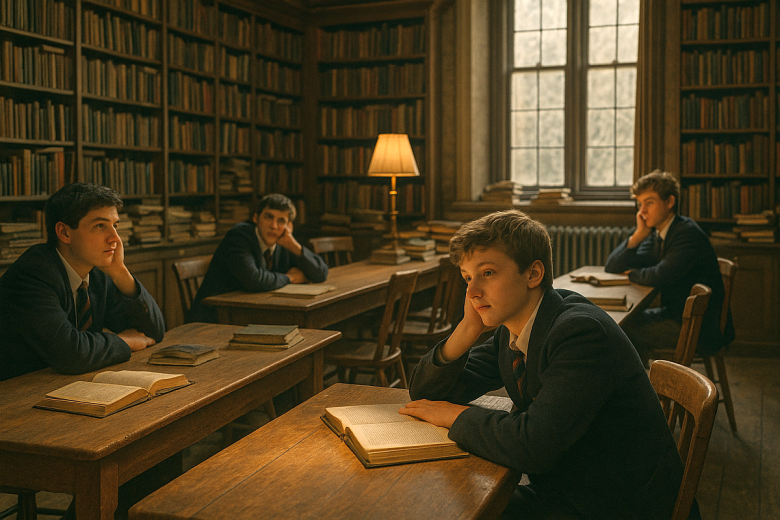
A reflection on how debate in Britain has become the preserve of the few, leaving most pupils trained to perform rather than to think. Drawing on personal experience, it argues for a new educational humanism grounded in moral, civic and intellectual formation.