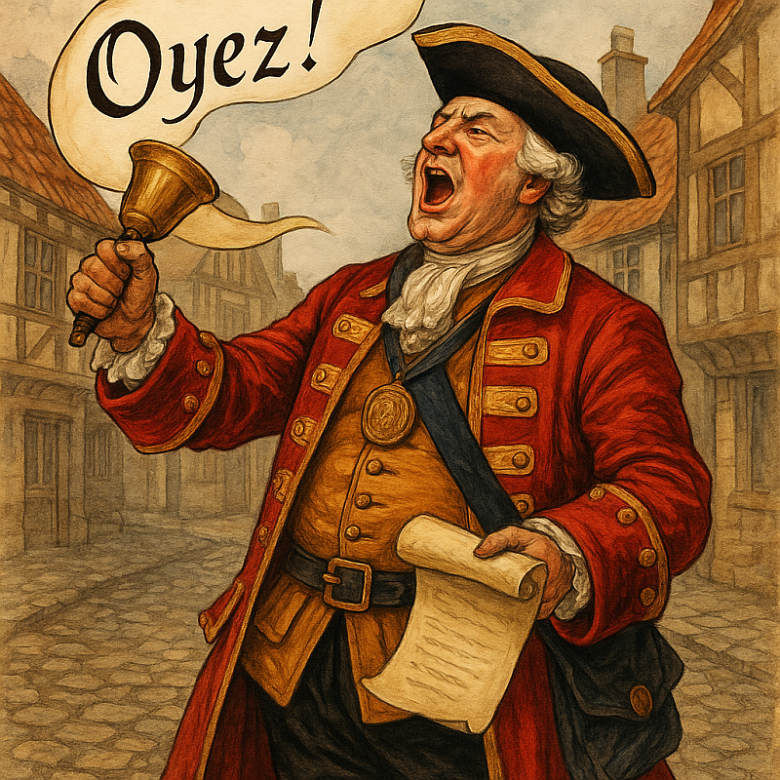
A reflection on how broadcasting has shifted from its original public mission — to inform, to educate, to entertain — into a marketplace driven by attention, emotion, and confirmation. From medieval town criers to the BBC, from early newspapers to today’s partisan media, the thirst for drama and validation has always shaped the news. This essay asks what broadcasting is now for, why audiences gravitate toward outrage and simplicity, and why I write without seeking approval — letting my thoughts exist, like Shakespeare’s sonnet, for those who may one day find them.

A sharp analysis of Gerald Grosz’s recent speech accusing Germany’s leaders of manufacturing fear to distract from domestic failures. This summary examines the speech’s claims, rhetorical strategies, emotional appeal, and weaknesses, showing how populist performances galvanise disillusioned voters while offering little balanced analysis. It explores why such messages resonate in today’s climate of distrust and political fragmentation.