AI inspires both excitement and fear, yet the real danger lies not in the intelligence of the machine but in human abdication—of judgement, of freedom, and of responsibility. This article explores the creative potential of AI, the new Luddism, and the deeper political risks of surveillance and control. The window for open inquiry is narrowing; now is the moment to think clearly.
Public debate in Britain and Germany increasingly blames immigration for social and political strain. Yet most pressures—housing shortages, overstretched schools and hospitals, stagnant wages, declining neighbourhoods, and falling trust—began decades before recent migration waves. Immigration is not the cause of systemic weakness; it merely exposes it. This essay traces the deeper forces behind today’s instability: long-term underinvestment, the neoliberal shift since the 1980s, demographic ageing, bureaucratic rigidity, and the erosion of social cohesion. It also examines why parties like the AfD and Reform UK attract support—and why their rise reflects a democratic system struggling to correct itself.
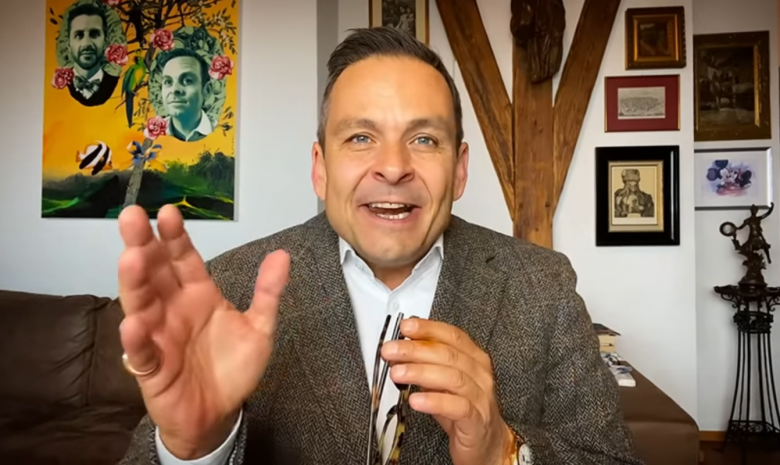
A sharp analysis of Gerald Grosz’s recent speech accusing Germany’s leaders of manufacturing fear to distract from domestic failures. This summary examines the speech’s claims, rhetorical strategies, emotional appeal, and weaknesses, showing how populist performances galvanise disillusioned voters while offering little balanced analysis. It explores why such messages resonate in today’s climate of distrust and political fragmentation.

From Schiller and Beethoven to the EU project, and from Steinmeier to the AfD, this essay explores how Germany’s cultural idealism once shaped Europe — and how today’s political tensions threaten the unity symbolised by the “Ode to Joy.” Dialogue, not exclusion, is the test of democratic confidence.
After 1945, Europe rebuilt not only its cities but also its conscience. What began in Germany as a reckoning with absolute evil became a continental project — the attempt to redeem civilisation through democracy, human rights, and reason. This essay traces that moral arc from guilt to responsibility, from rebellion to fatigue, and from faith in redemption to the disillusionment of the present.
In Bochum-Wattenscheid, the election of an AfD councillor to a minor office has shaken Germany’s political establishment. Beneath the outrage lies a deeper problem: a democracy that no longer trusts its own processes. When dissent is suppressed in the name of safeguarding freedom, it is not extremism that threatens democracy, but fear itself.
Across Europe, the act of knowing the citizen has become a test of power.
These three essays trace how identity moved from the census to the classroom, from the passport to the algorithm. Germany counts precisely; Britain hesitates to count at all. Yet both reveal the same unease — that the more the state tries to know its people, the more it risks losing their trust. Counting Strangers, The British Fear of Being Known, and From Card to Code follow that uneasy journey from bureaucratic record to digital surveillance, asking what remains of freedom when knowledge itself becomes a form of control.
Suella Braverman’s recent remark that “it’s humiliating and very sad that we’ve got politicians with such poor judgment leading our country” was more than partisan anger — it was a study in how moral emotion replaces analysis in public life.