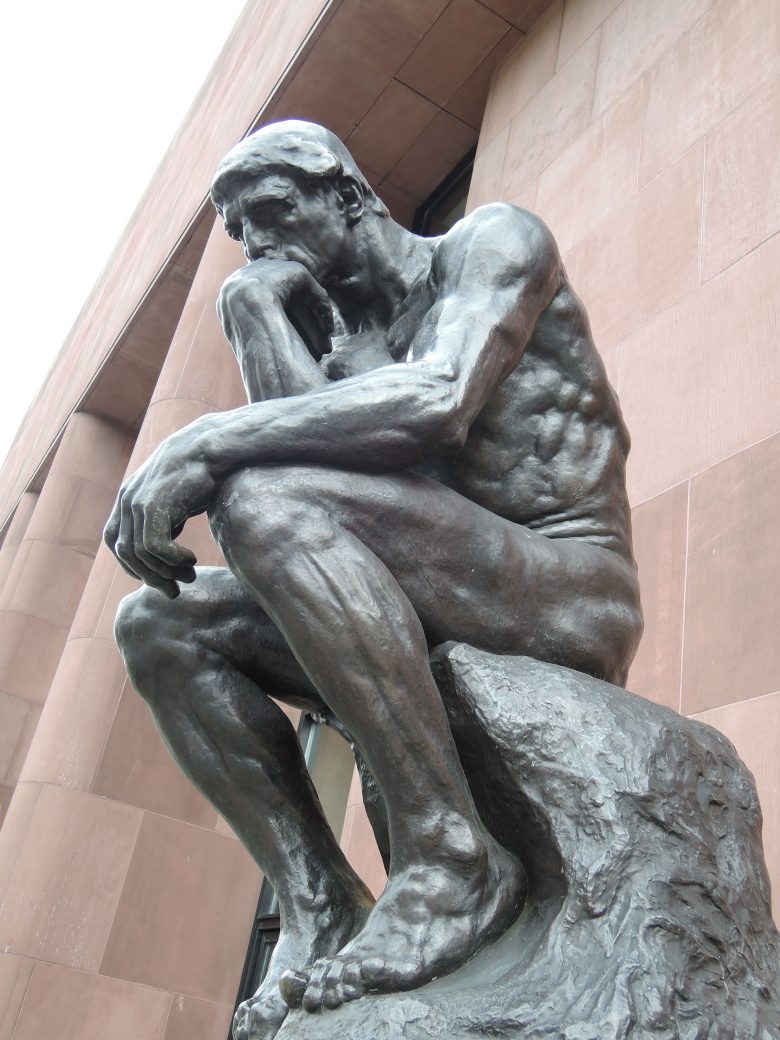
Religion can be understood not as literal cosmology but as a symbolic language through which humanity reflects on its own existence. From Feuerbach and Durkheim to modern psychology, religious ideas reveal how rational animals attempt to interpret consciousness, morality, and the mystery of being human. Seen this way, the emergence of reflective awareness is not a tragedy but one of the great gifts of evolution.
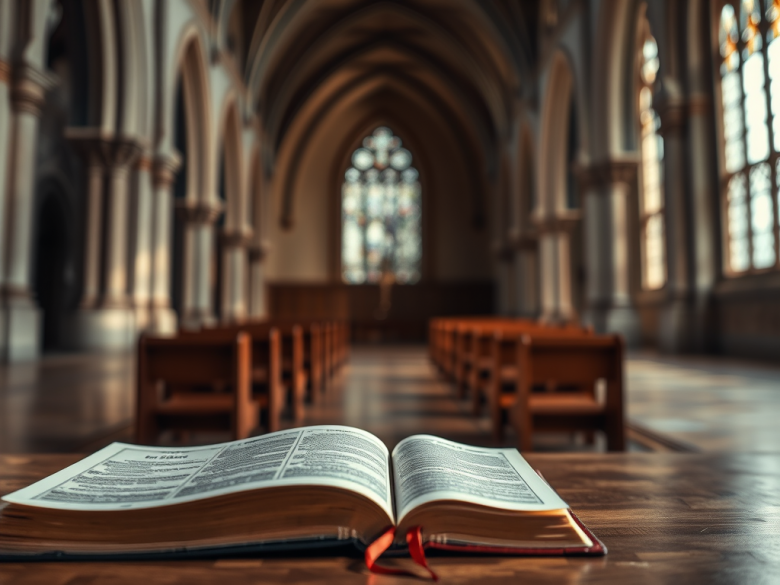
A Church that once shaped conscience now manages assets. As belief thins and process replaces meaning, the Church of England drifts toward becoming a heritage-backed investment body with a spiritual veneer. The Synod debates feel urgent, but the deeper story is structural: faith evaporates faster than property rights. What remains is an institution preserved by land and capital, while Christianity itself quietly returns to where it began — individual conscience.

A simple contrast between a Rolex and a Casio becomes a meditation on Christianity, conscience, and the age of AI. As automated systems expand, the real danger is not overt tyranny but the quiet erosion of inward life. When conscience is overshadowed by authority and behaviour becomes measurable performance, we edge closer to Orwell’s vision — not through malice, but through efficiency.
In Bochum-Wattenscheid, the election of an AfD deputy mayor has triggered outrage, suspicion, and calls for his removal — a local drama that mirrors Europe’s wider fear of populism. This essay explores how inherited guilt, moral panic, and the urge to “defend democracy” can end up undermining it, turning freedom into ritual self-policing.
In Bochum-Wattenscheid, the election of an AfD councillor to a minor office has shaken Germany’s political establishment. Beneath the outrage lies a deeper problem: a democracy that no longer trusts its own processes. When dissent is suppressed in the name of safeguarding freedom, it is not extremism that threatens democracy, but fear itself.
Modern evangelicalism is not an ancient faith but a twentieth-century invention. Born in the anxiety of 1930s America, it fused personal emotion, mass media, and nationalism into a new religious identity. What began as revival became a system of control — replacing faith as awareness with belief as submission.