
A reflection on the Church of England’s quiet transformation — from spiritual authority to institutional survivor — and why Catholicism may endure as faith while Anglicanism persists as structure. Exploring assets, doctrine, conscience, and the possibility of a Church without dogma: shared meals, inward clarity, and compassion without hierarchy.
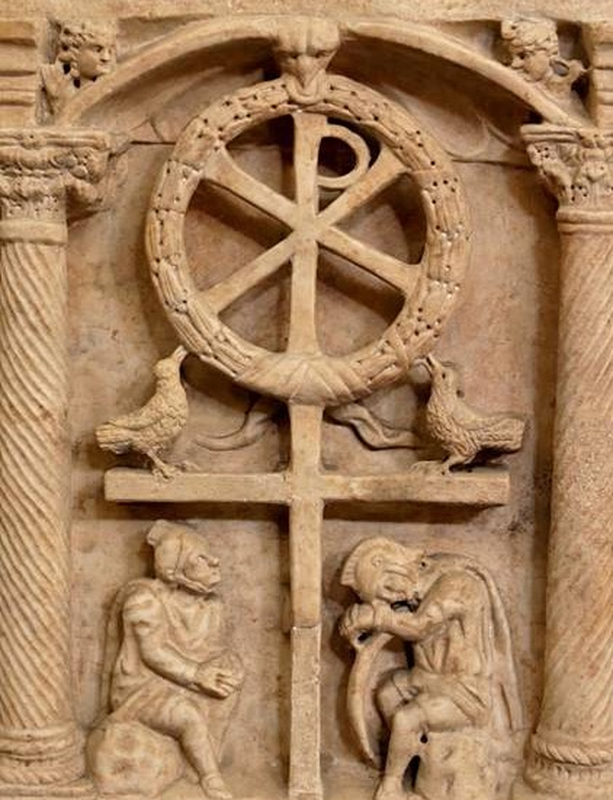
Christianity did not triumph because it was truer than Judaism, but because it was structured to expand. Shaped by the Roman world, it crossed borders, absorbed outsiders, and built institutions that could scale. Judaism endured through continuity, identity, and boundary-keeping — strengths that preserved it as a people, but limited its spread as a universal movement.

This article traces how the resurrection tradition evolved from Paul’s visionary experiences into the richly embellished narratives of the Gospels and Acts—and how this shift transformed Christianity from Jesus’ present-centred ethic into a religion of afterlife, obedience, and institutional power. By examining how “Christ” and resurrection became Christianity’s twin stars, it shows how orthodoxy displaced the simple, existential message of Jesus with a metaphysical system built around death, reward, and control.