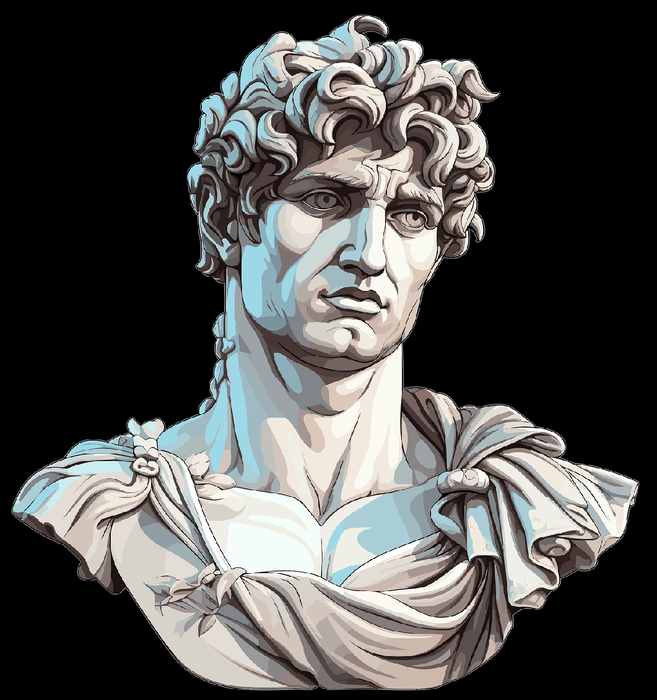
Europe tells itself that Rome fell in 476 CE, but the structures of the empire never disappeared. They migrated into the Church, into medieval kingship, into the nation-state, and finally into the European Union. Law, hierarchy, bureaucracy, and moral order — the governing mind of Rome — still shape the continent. Europe is not post-Roman; it is Rome in modern dress.

The census under Caesar Augustus formed the political backdrop to Jesus’ birth, revealing a world shaped by imperial power, taxation, and the struggle for identity under Rome. This essay explores how empire, religion, and human hope intersected in first-century Judea — and why the story still speaks to our own age of control and uncertainty.