
Prayer is often understood as asking for things, but in the Gospels it appears as something quite different. It is not a means of control, but a moment of release — a stepping back from the self and a return to what is real. In prayer, one lets go, sees more clearly, and, however briefly, is set in the right direction.
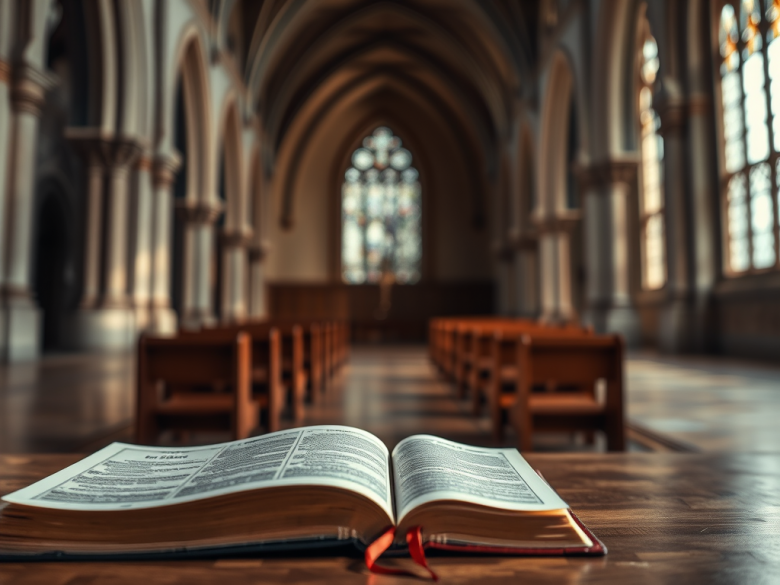
A Church that once shaped conscience now manages assets. As belief thins and process replaces meaning, the Church of England drifts toward becoming a heritage-backed investment body with a spiritual veneer. The Synod debates feel urgent, but the deeper story is structural: faith evaporates faster than property rights. What remains is an institution preserved by land and capital, while Christianity itself quietly returns to where it began — individual conscience.
This essay explores a recurring tension at the heart of human spirituality: the difference between lived experience and the doctrines built upon it. Moments of beauty, awe, or insight can be deeply real and transformative, yet they become dangerous when reinterpreted as universal truths or moral imperatives. Drawing on Augustine, the Psalms, Quakerism, the hermit tradition, and Ecclesiastes, the discussion traces how inner experience is repeatedly hardened into authority—how insight becomes doctrine, and meaning becomes coercion. Against this, a quieter wisdom emerges: one that values attentiveness over certainty, presence over explanation, and humility over control. Rather than rejecting spirituality, the essay argues for holding it lightly—recognising that depth is real, but cannot be owned, enforced, or systematised without distortion. What endures is not belief, but the capacity to remain open, grounded, and human.
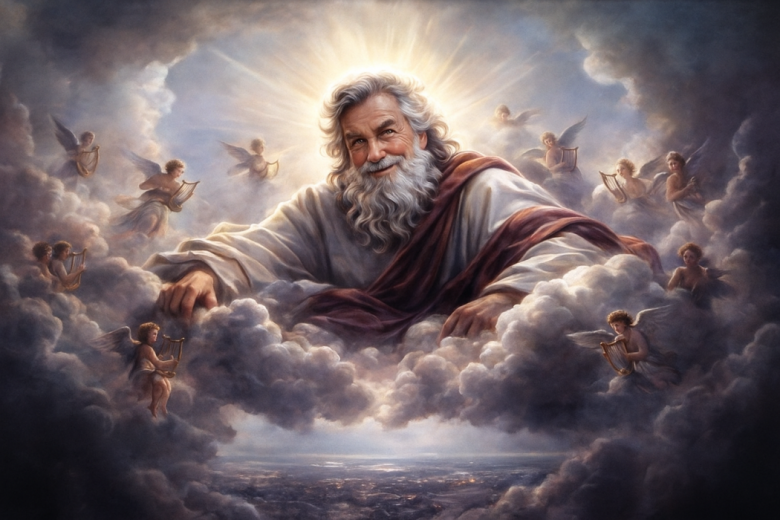
A critical yet sympathetic exploration of the Bible as a multi-voiced historical library, from Covenant and exile to Jesus and Paul, Constantine, and modern secular collapse — concluding that Scripture still offers profound value when read metaphorically as a mirror of the human psyche rather than a literal divine manual.
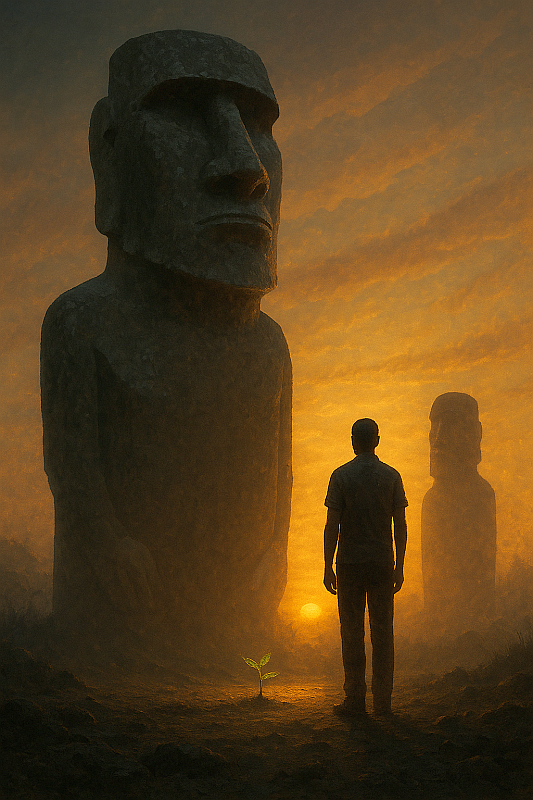
A sweeping reflection on humanity’s struggle to reconcile instinct and intellect, from the ancient gods of Mesopotamia to the teachings of Jesus. This essay argues that true transcendence lies not in power but in inner integration, and that mortality presses us toward completion. Through myth, psychology, memory, and personal experience, it shows that the only moment for wholeness is now.

A reflection on the real meaning of enlightenment — not as mystical experience, but as the quiet reconciliation between our deeper vital dynamics and the surface structure of everyday life. The heart, the conscience, and the unconscious guide us long before reason recognises their pattern.
A reflection on the inner stillness that frees us from self-rejection and restores our capacity to love. Drawing on Jesus’ teaching of the Shema and contrasting the Western vision of wholeness with the Zen ideal of self-effacement, this meditation explores awareness as a natural state — a flight of the spirit in peace and light.
John Betjeman’s Summoned by Bells is more than an autobiography in verse — it is a meditation on beauty, memory, and faith at the twilight of English modernity. Beneath its gentle rhythms lies a profound moral vision: that sound, place, and craftsmanship can still unite a fractured nation. Betjeman’s England is not nostalgic fantasy but a living cathedral of meaning, where stone and song meet the sacred.
A reflection on parenting, morality, and the teaching of Jesus — showing how the true measure of life lies not in worldly success but in moral fruitfulness. Wealth and compassion need not be opposed, but reconciled through the law written in the heart.
All great religions begin in fire and end in form. A living experience becomes a creed; a vision becomes a law; awakening hardens into obligation. This is not unique to Christianity but a recurring pattern in the spiritual history of humankind.