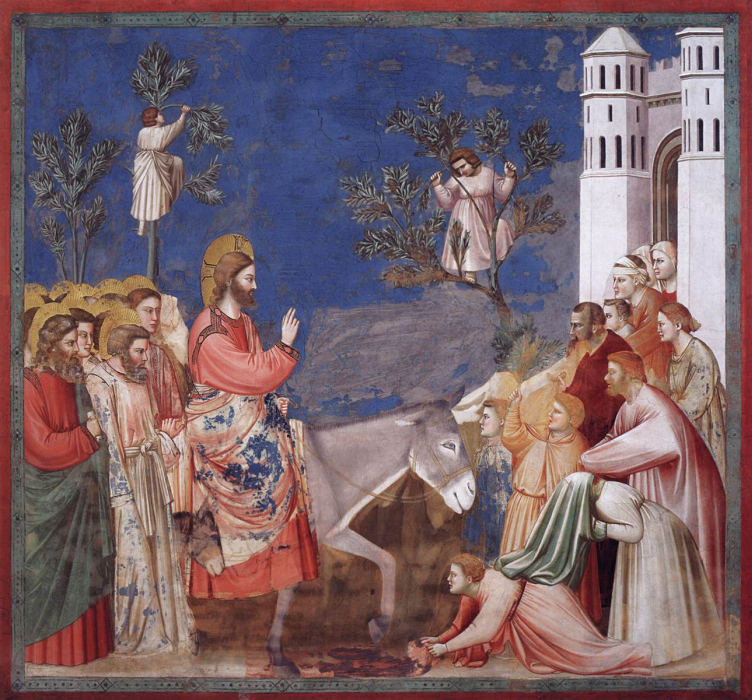
Jesus’ entry into Jerusalem on a donkey was not a triumph but a misfired symbol—an ironic gesture the crowds misunderstood and ultimately rejected. Beneath the Gospels’ later sanitising lies a teacher who defied the messianic expectations imposed on him, and whose authentic voice survives most clearly in his startling, poetic moral teaching.
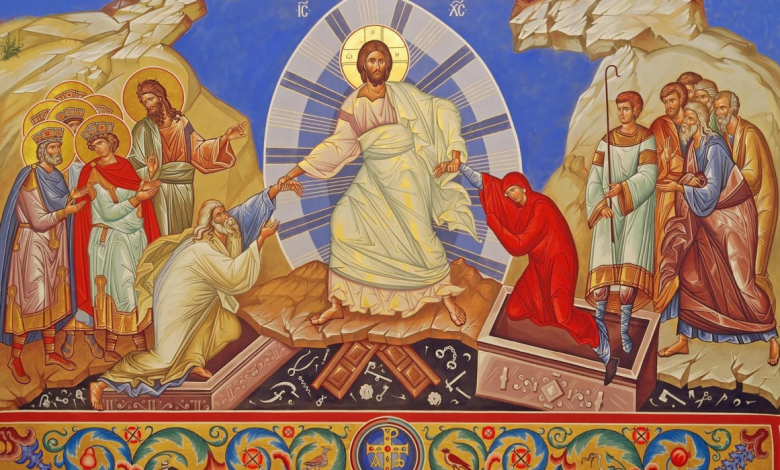
A fresh reading of Paul reveals a profound shift: the apostle transforms the concrete, moral Jesus of the Synoptic Gospels into a cosmic and interior reality. By blending word-frequency analysis with the meanings of Christos and Paul’s near-Gnostic metaphysics, this essay explores how the “Jesus event” became reinterpreted as a universal, communal mystery — far beyond its original first-century context.

A historical reflection on how Christianity once shaped a unified Mediterranean world, how Islam transformed the East, and how centuries of tension reshaped Europe. The article argues for a renewed moral centre today—not doctrinal, but rooted in mutual respect and the ethical core of Jesus’ teaching.
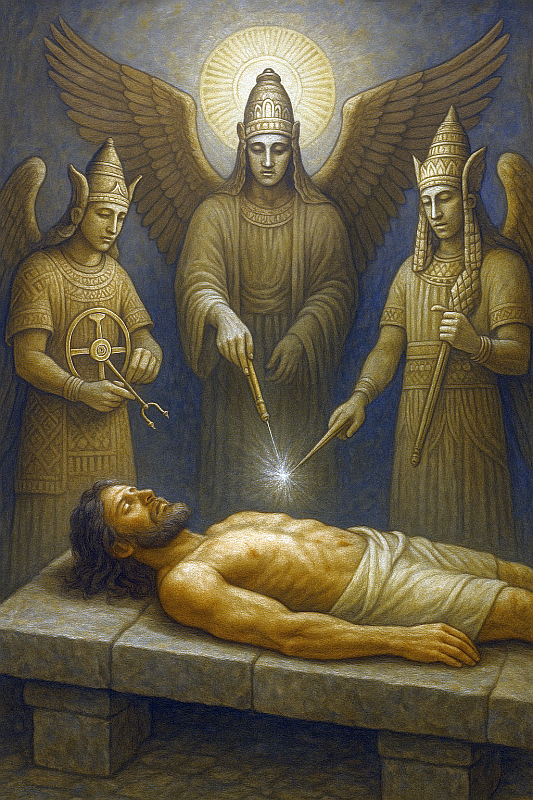
A demythologised reading of Genesis and the Gospels reveals a single thread running through human history: we are conflicted, powerful, unstable creatures trying to understand ourselves. Eden describes why we are dangerous; Jesus offers a path to inner transformation. Later doctrine turned this into metaphysics, but the original insight was psychological. This article explores Adam, Meister Eckhart, the Synoptics, and the Sumerian myths as early attempts to explain the divided human self — and what redemption really meant.
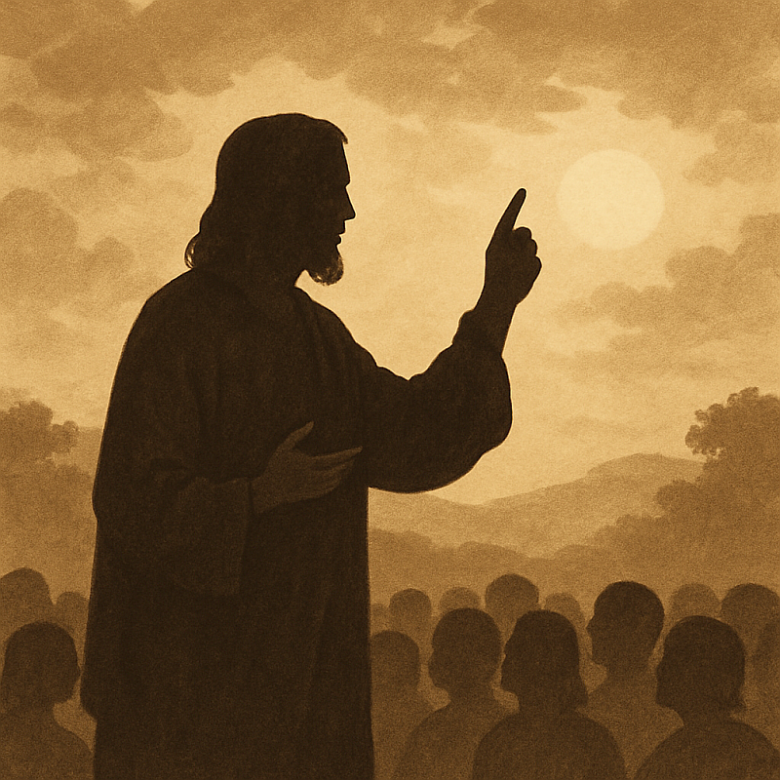
Jesus feels modern not because of theology, but because of his fearless moral clarity. Once we strip away the metaphysical layers, the radical teacher of the Synoptics emerges: a compassionate social philosopher who confronted wealth, hierarchy, exclusion, and fear. This article explores how the historical Jesus differs from the later “metaphysical Christ,” and why his vision still exposes the moral fault-lines of our own age.
A historical and psychological journey through the making of biblical literalism — how faith that once saw Scripture as symbol and wisdom became bound to words on a page. This essay traces the shift from Origen and Augustine to American fundamentalism, revealing how the need for certainty replaced the quest for understanding.
The Christian God is not the Father we never had, but the Father we must become. This essay explores how Jesus’ teaching can be read as a psychological process of inner reconciliation — a journey from dependency to awareness, from outer authority to inner wholeness.
Tags: Jesus, theology, psychology, Jung, Tillich, Bultmann, Bonhoeffer, consciousness, metanoia, inner life
A reflective essay on how Isaiah’s compassion, Jesus’ inner kingdom, and the Gnostic idea of the divine spark reveal a long evolution in humanity’s understanding of God — from fear of an external ruler to awareness of the divine within.
Dame Sarah Mullally’s appointment as Archbishop of Canterbury invites a deeper question: what truly qualifies a person to lead the Church? The New Testament speaks not of degrees or honours but of love, humility, and the fruits of the Spirit. Jesus himself warned against the illusions of worldly power and status, choosing the wilderness over the throne. In an age of spiritual emptiness, it is not competence but inner transformation that gives authority and life to faith.