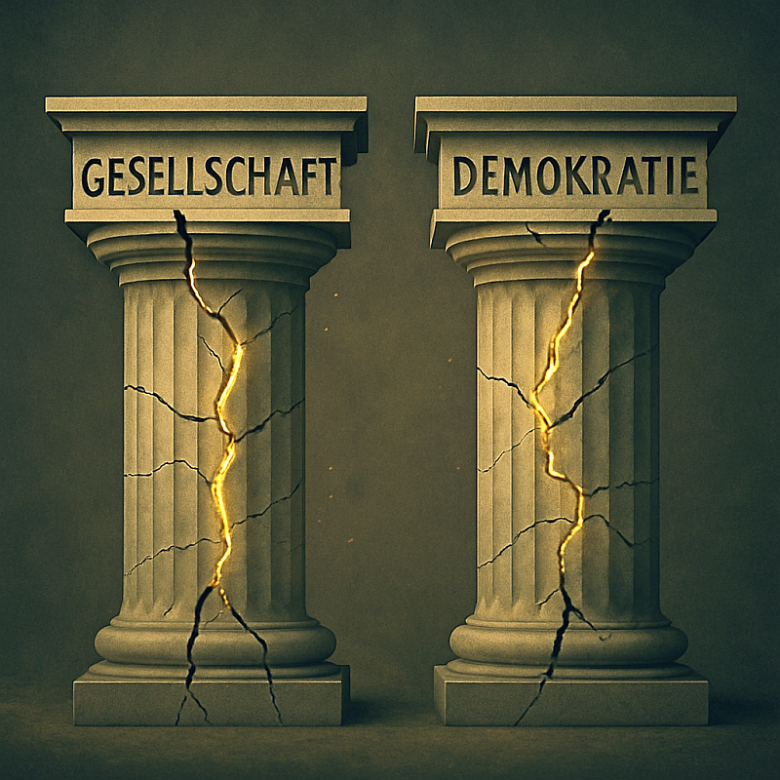
Public debate in Britain and Germany increasingly blames immigration for social and political strain. Yet most pressures—housing shortages, overstretched schools and hospitals, stagnant wages, declining neighbourhoods, and falling trust—began decades before recent migration waves. Immigration is not the cause of systemic weakness; it merely exposes it. This essay traces the deeper forces behind today’s instability: long-term underinvestment, the neoliberal shift since the 1980s, demographic ageing, bureaucratic rigidity, and the erosion of social cohesion. It also examines why parties like the AfD and Reform UK attract support—and why their rise reflects a democratic system struggling to correct itself.
Across Europe, the act of knowing the citizen has become a test of power.
These three essays trace how identity moved from the census to the classroom, from the passport to the algorithm. Germany counts precisely; Britain hesitates to count at all. Yet both reveal the same unease — that the more the state tries to know its people, the more it risks losing their trust. Counting Strangers, The British Fear of Being Known, and From Card to Code follow that uneasy journey from bureaucratic record to digital surveillance, asking what remains of freedom when knowledge itself becomes a form of control.